
Key Takeaways
- Monomyth Materials has acquired NanoGraf’s assets, significantly enhancing its portfolio of advanced battery materials.
- The acquisition integrates NanoGraf’s defense-validated SiOx silicon anode technology with Monomyth’s synthetic graphite platform.
- This strategic move aims to reduce reliance on foreign, particularly Chinese, sources for critical lithium-ion battery anode components.
- A new subsidiary, M2Innovations, will focus on advanced materials R&D and prototype cell development, while M2Graphite (formerly Anovion Technologies) handles commercial-scale graphite production.
- Monomyth Materials has committed substantial investments, including over $100 million since 2022 and planned capital programs exceeding $1 billion each, for its domestic manufacturing infrastructure.
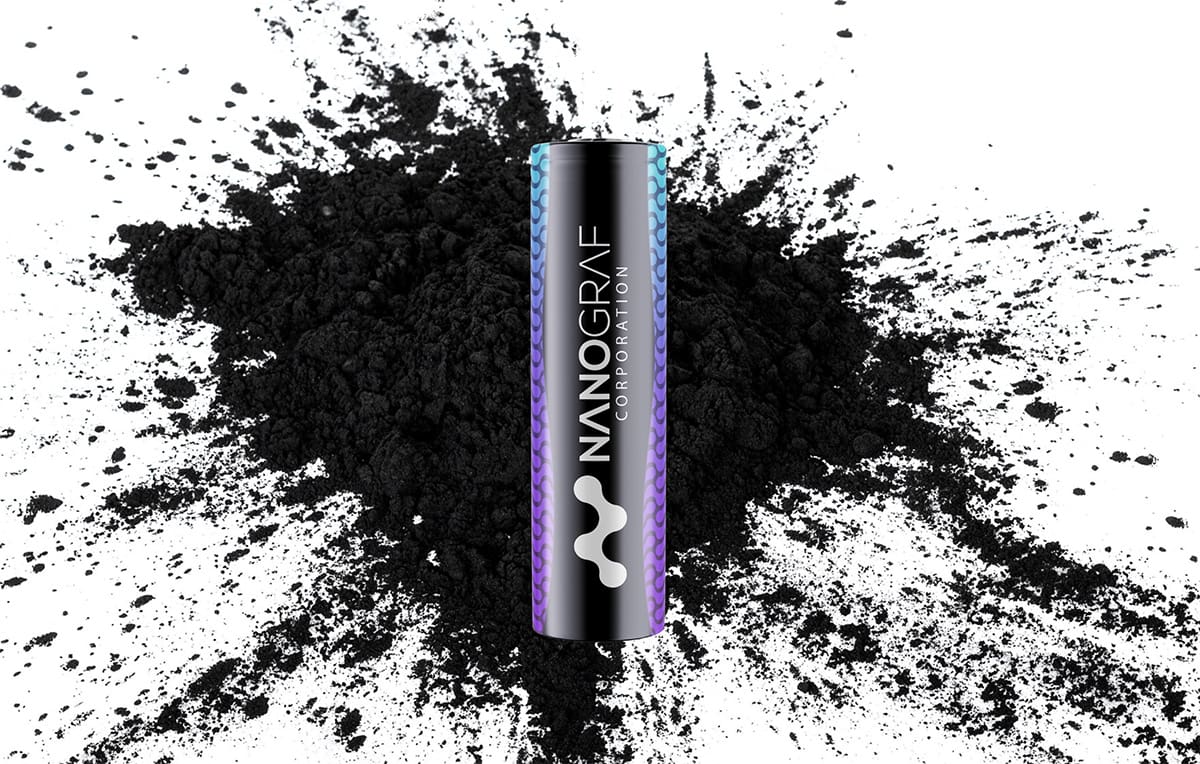
In a significant development poised to reshape the landscape of domestic battery material production, Monomyth Materials has announced the acquisition of NanoGraf’s assets. This strategic move integrates NanoGraf’s cutting-edge SiOx silicon anode technology and its defense-validated intellectual property portfolio directly into Monomyth Materials’ robust synthetic graphite business.
The financial terms of this pivotal acquisition, which aims to secure a more resilient and domestically controlled supply chain for advanced battery materials, were not publicly disclosed. The consolidation marks a critical step towards enhancing energy independence and technological leadership within the burgeoning electric vehicle (EV) and energy storage sectors.

Strategic Rationale: Addressing Supply Chain Reliance
The global supply chain for lithium-ion battery components remains heavily concentrated, with China currently dominating over 90% of the active anode material market. This includes more than 60% of the worldwide capacity for SiOx, a critical component for high-performance anodes.
Such a high degree of reliance on a single region presents notable geopolitical and economic vulnerabilities for global battery manufacturers and, by extension, the automotive and electronics industries. The acquisition by Monomyth Materials directly confronts this challenge, aiming to establish a secure domestic source for essential battery components.
A New Operational Structure: M2Innovations and M2Graphite
Following the acquisition, NanoGraf’s assets will form the bedrock of a newly established subsidiary: M2Innovations. This entity will spearhead research and development (R&D) efforts, focusing on advanced battery materials and prototype cell development, spanning from initial R&D stages through to pilot-scale production.

Concurrently, Monomyth Materials’ existing synthetic graphite business, formerly known as Anovion Technologies, has been rebranded as M2Graphite. M2Graphite will continue its vital role in commercial-scale production of high-quality synthetic graphite. Together, these two subsidiaries create an integrated platform covering nearly the entire active anode stack.
The active materials in a lithium-ion anode predominantly comprise graphite and silicon. By bringing both under a unified operational structure, Monomyth Materials is positioning itself as a comprehensive supplier for this critical segment of the advanced battery materials market.
NanoGraf’s Proven SiOx Technology
NanoGraf, a spin-off from the prestigious Northwestern University and Argonne National Laboratory in Chicago, brings a wealth of expertise and proven technology to Monomyth Materials. Its SiOx silicon anode technology has already demonstrated robust performance in real-world applications.
This advanced silicon technology is currently deployed in various consumer electronics and has undergone rigorous validation for military applications. Federal agencies, including the Department of Energy, have acknowledged its capabilities, underscoring its reliability and readiness for broader industrial adoption.
The integration of NanoGraf’s SiOx technology is expected to drive significant advancements in battery energy density and performance, crucial factors for the next generation of electric vehicles and portable electronic devices.
M2Graphite: Powering Domestic Production
M2Graphite’s foundation was meticulously assembled from key graphite assets previously held by industry leaders such as Amsted Industries and Pyrotek. Amsted Industries continues to maintain a minority shareholding in the venture, signaling ongoing confidence in its trajectory.
The company’s primary operational site in Bainbridge, Georgia, is envisioned as the inaugural facility within a much larger, multi-site domestic production network. Monomyth Materials has outlined ambitious plans for expansion, backed by three planned capital programs, each projected to exceed $1 billion.
Since 2022, Monomyth Materials has already invested more than $100 million into developing and scaling this critical synthetic graphite platform. These substantial investments underscore the company’s commitment to building a robust, domestic manufacturing capacity for advanced battery materials, vital for the nation’s economic and energy security.
Leadership and Future Vision
Francis Wang, who played a pivotal role in leading NanoGraf through its significant growth phase, will transition to join the M2Innovations advisory board. His continued involvement ensures the seamless integration of NanoGraf’s expertise and vision into the new subsidiary, guiding its future research and development initiatives.
This acquisition by Monomyth Materials is more than just a corporate merger; it represents a proactive and decisive step towards establishing a resilient, integrated domestic supply chain for advanced battery materials. By combining leadership in synthetic graphite with pioneering silicon anode technology, the company is poised to become a formidable player in the global push for sustainable energy solutions and electric mobility.
Frequently Asked Questions (FAQ)
What is the primary goal of Monomyth Materials acquiring NanoGraf?
The acquisition aims to combine advanced SiOx silicon anode technology with synthetic graphite production under one roof. This integration seeks to bolster the domestic supply chain for critical lithium-ion battery components, reducing reliance on foreign sources and enhancing national energy security.
What are SiOx silicon anodes, and why are they important?
SiOx silicon anodes are a next-generation battery material that can significantly increase the energy density of lithium-ion batteries. This translates to longer battery life and faster charging, making them crucial for high-performance applications in electric vehicles and consumer electronics.
How does this acquisition impact the domestic battery manufacturing supply chain?
By bringing both SiOx silicon anode technology and synthetic graphite production domestically, Monomyth Materials directly addresses the current reliance on foreign suppliers. This strengthens the U.S. supply chain for advanced battery materials, fostering resilience and supporting the growth of the EV and energy storage industries.
What are M2Innovations and M2Graphite?
M2Innovations is the new subsidiary formed from NanoGraf’s assets, focusing on advanced battery materials R&D and prototype cell development. M2Graphite is the rebranded synthetic graphite business (formerly Anovion Technologies), responsible for commercial-scale production. Together, they cover the full active anode stack.
What is the scale of investment Monomyth Materials is making in its domestic operations?
Monomyth Materials has invested over $100 million in its platform since 2022. Furthermore, the company has planned three capital programs, each exceeding $1 billion, to expand its production capacity and establish a robust network of domestic manufacturing facilities for advanced battery materials.
Why is synthetic graphite crucial for lithium-ion batteries?
Synthetic graphite is a primary component of lithium-ion battery anodes, providing stability and capacity for energy storage. Establishing domestic production of synthetic graphite is vital for ensuring a secure and independent supply of critical battery materials, reducing reliance on international markets.
What is the significance of NanoGraf’s technology being “defense-validated”?
Defense validation means NanoGraf’s SiOx technology has met stringent performance and reliability standards required for military applications. This signifies a high level of maturity, robustness, and trust, making it highly attractive for broader commercial and industrial deployment in advanced battery systems.