
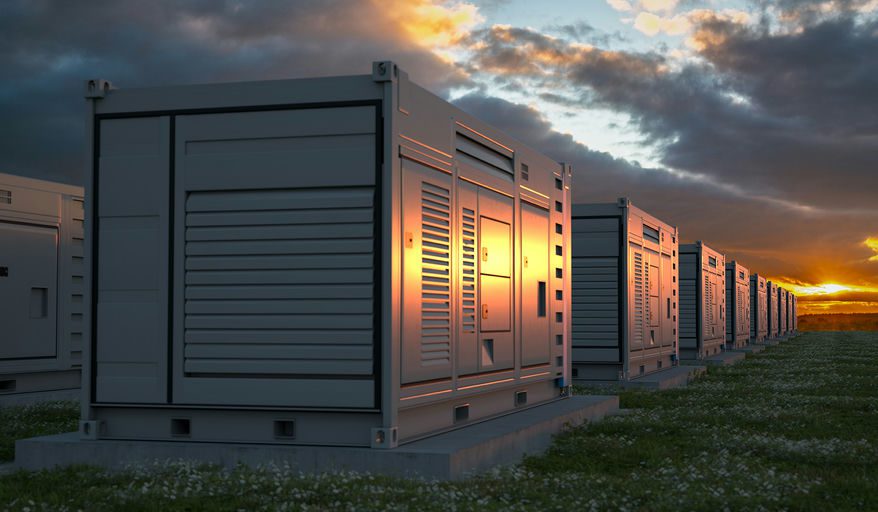
The global energy landscape is undergoing a profound transformation, marked by significant investment in large-format battery cell and manufacturing capacity. While the Electric Vehicle (EV) market has experienced regional demand fluctuations, a parallel and even more robust surge has been observed in the demand for Stationary Energy Storage Systems (ESS). This heightened interest in stationary energy storage compliance is driven by the urgent need to bolster existing grid infrastructure and meet the escalating power requirements of advanced technologies, particularly Artificial Intelligence (AI) data centers.
Consequently, many players within the established EV battery supply chain are strategically pivoting. They are refocusing their expertise and leveraging recently built manufacturing capabilities to develop market-ready stationary storage solutions, recognizing a burgeoning opportunity in this adjacent sector.

The Accelerating Demand for Stationary Energy Storage Systems
The imperative for robust stationary energy storage systems stems from multiple critical factors. Modern electricity grids worldwide are facing unprecedented challenges, from integrating intermittent renewable energy sources like solar and wind to managing peak demand periods and enhancing overall grid resilience against disruptions.
Stationary battery storage provides a flexible and efficient solution to these issues, enabling energy to be captured when abundant and released when needed. This capability is vital for maintaining grid stability, ensuring reliable power supply, and reducing reliance on fossil-fuel-intensive peaker plants.
Beyond grid augmentation, the explosive growth of AI data centers presents another monumental demand driver. These facilities consume vast amounts of electricity, and their continuous, uninterrupted operation is paramount. Stationary energy storage offers a critical layer of power security and flexibility, ensuring constant energy availability and optimizing energy consumption for these high-load environments.

From EV Batteries to Grid Resilience: A Strategic Shift
Billions of dollars have been invested globally over the past several years to scale up manufacturing capacity for large-format EV cells and batteries. This extensive industrial base, initially geared towards mobility, now finds a crucial secondary application in the stationary storage sector.
Manufacturers can adapt their existing cell chemistries, production lines, and engineering know-how to meet the different, yet often complementary, requirements of stationary applications. This strategic repurposing allows for a faster market entry and a more efficient return on significant capital investments, while simultaneously addressing a pressing global energy need.
Navigating the Complexities of Stationary Energy Storage Compliance
While the market potential for stationary energy storage is immense, the transition is not without its intricate challenges, particularly concerning compliance. Developing new battery systems for these adjacent markets requires a deep understanding of a diverse and evolving regulatory landscape. Stakeholders must meticulously address various facets, from market regulations to functional safety, to ensure both compliance and optimal performance.
Understanding Market Regulations and Regulators
The regulatory environment for stationary energy storage is often fragmented, varying significantly across different regions, countries, and even local jurisdictions. Developers must contend with a myriad of codes, standards, and governmental mandates that dictate everything from installation practices and safety protocols to environmental impact and grid interconnection requirements.
Identifying and engaging with the relevant market regulators, which can include national energy ministries, utility commissions, local fire departments, and environmental protection agencies, is a critical initial step. Early and thorough research into these regulations can prevent costly redesigns and delays later in the development cycle.
The Pivotal Role of Certification Bodies and Third Parties
Certification bodies and other independent third-party organizations play an indispensable role in ensuring that stationary energy storage systems meet the required safety, performance, and environmental standards. Companies like Intertek, for instance, provide crucial testing, inspection, and certification services that validate a product’s compliance with national and international benchmarks.
These entities provide an unbiased assessment, offering trust and credibility to both regulators and end-users. Their involvement is often a prerequisite for market entry, as their certifications signify adherence to rigorous quality and safety protocols, mitigating risks associated with large-scale battery deployment.
Ensuring Functional Safety in Large-Scale Deployments
Functional safety is paramount for stationary energy storage systems, especially given their large scale and proximity to critical infrastructure or populated areas. It involves the design and implementation of safety mechanisms to prevent unreasonable risk from hazards caused by the malfunction of electrical or electronic systems.
This includes robust battery management systems (BMS) for cell monitoring and balancing, thermal management strategies to prevent runaway events, and fault-tolerant designs. Adhering to standards like IEC 61508 or ISO 26262 (adapted for stationary applications) is crucial for ensuring the reliable and safe operation of these complex energy solutions.
Common Pitfalls in Designing for Compliance and Performance
Developers frequently encounter several common pitfalls when designing new battery systems for stationary applications. These can range from underestimating the complexity of thermal management for prolonged operation to overlooking specific regional electrical grid codes.
Other challenges include inadequate cell balancing strategies that degrade system lifespan, insufficient fire suppression measures, and a failure to account for specific environmental conditions (temperature extremes, humidity). Moreover, an incomplete understanding of long-term degradation mechanisms can lead to systems that do not meet their projected performance over their intended operational lifespan.
The Virtual Conference on EV Engineering: A Hub for Innovation
To address these critical industry developments and compliance challenges, the Virtual Conference on EV Engineering is set to provide invaluable insights. This comprehensive event, broadcast live from September 14 to 17, 2026, will serve as a vital platform for industry professionals, engineers, and policymakers.
The conference content is meticulously designed to encompass the entire EV engineering supply chain and ecosystem. This includes crucial areas such as motor and power electronics design and manufacturing, advanced cell development, sophisticated battery systems, rigorous testing methodologies, efficient powertrains, innovative thermal management solutions, essential circuit protection, reliable wire and cable systems, and critical electromagnetic interference/compatibility (EMI/EMC) considerations, among others.
A key highlight of the conference is a dedicated webinar addressing the specific challenges of stationary energy storage compliance, scheduled for September 14, 2026, at 11:45 am EDT. This session aims to equip attendees with practical knowledge to navigate market regulations, engage with certification bodies, implement functional safety, and avoid common design pitfalls. Registration for this insightful session is free, offering accessible expertise to a wide audience.
Featured Sessions and Broader Conference Scope
The Virtual Conference on EV Engineering extends beyond stationary storage, offering a wide array of sessions pertinent to the broader electric vehicle and battery technology landscape. These include presentations on enhancing battery safety through early thermal runaway detection using advanced sensors, and methodologies for scalable and cost-efficient testing of state-of-the-art Battery Management Systems (BMS).
Further discussions will delve into innovations like CoolGaN™ Automotive Bidirectional Switches for shaping single-stage on-board chargers, and the use of high-fidelity FPGA motor models for real-time Hardware-in-the-Loop (HIL) validation. Experts will also explore simplifying commercial EV power distribution with integrated off-the-shelf solutions, and driving reliable insulation systems for e-mobility innovation.
Other sessions highlight advanced manufacturing techniques such as ultrasonic solutions for critical connections in EV manufacturing, and crucial testing protocols for anti-islanding in EV chargers, On-Board Chargers (OBCs), and Vehicle-to-Grid (V2G) systems. The conference will also feature deep dives into multiphysics modeling of transport phenomena in cells with gas diffusion electrodes, optimizing HV/LV power conversion for next-generation xEV architectures, and advanced extrusion and co-extrusion techniques for thermal, electrical, and sensing applications beyond sealing.
Key Takeaways
- The demand for Stationary Energy Storage Systems (ESS) is surging, driven by grid augmentation needs and the power demands of AI data centers.
- EV battery manufacturers are leveraging existing capacity to pivot into the ESS market, reflecting significant industry investment.
- Compliance in stationary storage is complex, requiring a deep understanding of diverse market regulations and engagement with various regulators.
- Certification bodies and third-party testing are crucial for validating product safety and performance, ensuring market entry and credibility.
- Functional safety is paramount for large-scale battery deployments, encompassing robust BMS, thermal management, and fault-tolerant designs.
- Common design pitfalls include inadequate thermal management, insufficient cell balancing, and a lack of adherence to specific regional codes.
- The Virtual Conference on EV Engineering (Sept 14-17, 2026) offers comprehensive insights across the EV ecosystem, including a free webinar on stationary energy storage compliance.
Conclusion
The pivot towards stationary energy storage systems represents a pivotal moment for the energy sector, leveraging advancements made in EV battery technology to address critical infrastructure needs. However, the success of this transition hinges significantly on rigorous adherence to compliance standards, functional safety protocols, and a thorough understanding of the regulatory landscape.
Events like the Virtual Conference on EV Engineering play an indispensable role in facilitating knowledge exchange, fostering innovation, and preparing industry stakeholders for the complexities of this rapidly evolving market. By proactively addressing these challenges, the industry can ensure the safe, efficient, and widespread deployment of stationary energy storage solutions that are crucial for a sustainable energy future.
FAQ Section
Why is there a sudden surge in demand for Stationary Energy Storage Systems (ESS)?
The surge in ESS demand is primarily driven by the need to stabilize electricity grids, integrate renewable energy sources efficiently, manage peak power demands, and provide reliable power to energy-intensive emerging technologies like AI data centers. These systems enhance grid resilience and operational flexibility.
How are EV battery manufacturers contributing to stationary storage?
EV battery manufacturers are leveraging their significant investments and established capacity for large-format cell production to pivot into the stationary storage market. They adapt existing technologies and manufacturing processes to meet the distinct requirements of ESS, capitalizing on their expertise and infrastructure.
What are the primary compliance challenges for stationary energy storage?
Key compliance challenges include navigating diverse and often fragmented market regulations across different jurisdictions, engaging with various regulatory bodies, ensuring adherence to functional safety standards, and obtaining certifications from accredited third-party organizations. Overcoming these is crucial for market entry.
What role do certification bodies play in ESS development?
Certification bodies, such as Intertek, are vital for validating that ESS products meet stringent safety, performance, and environmental standards. They provide independent testing, inspection, and certification, offering credibility to manufacturers and assurance to regulators and consumers about the system’s reliability and safety.
What is functional safety in the context of stationary storage systems?
Functional safety for ESS involves designing and implementing systems to prevent unacceptable risks from potential malfunctions of electrical or electronic components. This includes robust Battery Management Systems (BMS), effective thermal management, and redundant safety features to ensure the safe operation of large-scale battery deployments.
What is the Virtual Conference on EV Engineering?
The Virtual Conference on EV Engineering (September 14-17, 2026) is a comprehensive online event covering the entire EV engineering supply chain. It addresses critical topics from battery development and powertrains to thermal management and compliance, offering insights through various sessions, including a free webinar on stationary energy storage compliance.
Who should attend the stationary energy storage compliance webinar?
The stationary energy storage compliance webinar is ideal for engineers, product developers, regulatory affairs professionals, project managers, and anyone involved in the design, manufacturing, deployment, or regulation of large-scale battery systems. It offers practical guidance on navigating the complex compliance landscape.
Are there common design pitfalls to avoid when developing ESS?
Yes, common pitfalls include inadequate thermal management for prolonged operation, insufficient cell balancing strategies, overlooking specific regional grid codes, and failing to account for extreme environmental conditions. Addressing these early in the design phase is critical for both compliance and optimal system performance.