
Key Takeaways:
- Pionix will provide its EVerest open-source software stack to Tritium for DC fast EV chargers, with initial deliveries expected this summer.
- The integration allows Tritium to leverage a flexible, modular software architecture, enabling easier updates and new feature additions without extensive system rewrites.
- EVerest supports critical charging protocols like OCPP 1.6/2.0.1 and ISO 15118-2/20, facilitating standardized communication, Plug & Charge, and V2G capabilities.
- This strategic move enables Tritium to focus its engineering efforts on hardware development and reliability, while benefiting from an established, certified open-source software foundation.
- The collaboration is poised to enhance interoperability, accelerate innovation in EV charging, and improve the user experience for electric vehicle drivers globally.
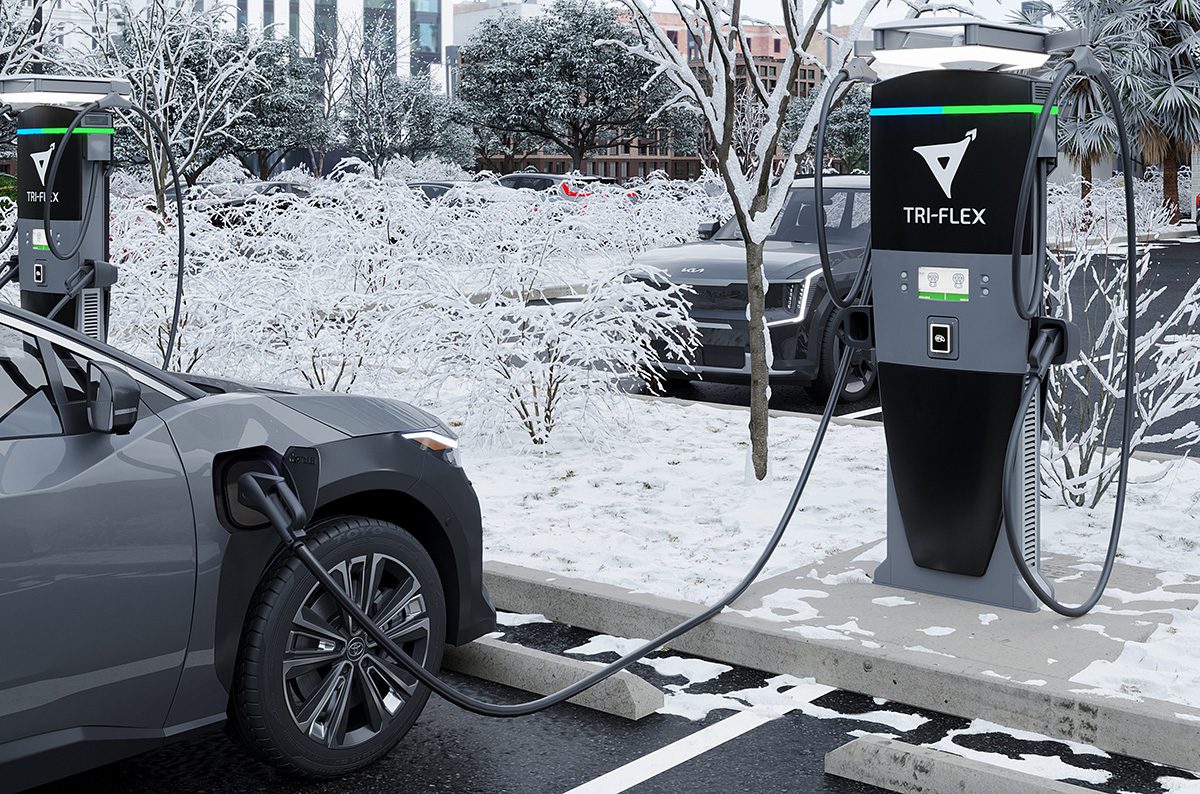
In a significant development for the electric vehicle (EV) charging sector, Pionix, a specialized EV charging software firm, has announced its collaboration with DC fast charging hardware manufacturer Tritium. Pionix will supply its innovative EVerest open-source software stack to power Tritium’s advanced EV chargers, marking a strategic alliance set to enhance the capabilities and flexibility of charging infrastructure.

The two companies have been actively engaged in this integration for several months, culminating in a projected delivery timeline for the first Tritium chargers running the EVerest-based software this summer. This partnership underscores a growing industry trend towards leveraging specialized software solutions to optimize hardware performance and future-proof charging networks.
The EVerest Advantage: A Modular Open-Source Software Stack
At the core of this collaboration is EVerest, Pionix’s acclaimed open-source software stack. EVerest is distinguished by its modular software architecture, which meticulously separates hardware drivers from the application logic. This design philosophy offers substantial benefits, particularly for a hardware manufacturer like Tritium.
The extensible codebase inherent to EVerest is engineered for adaptability. It is designed to simplify the addition of new functionalities, the integration of diverse protocols, or the seamless swapping of components without necessitating comprehensive, system-wide rewrites. This level of flexibility is crucial in the rapidly evolving landscape of EV charging technology, where new standards and features emerge frequently.

Critical Charging Protocols and Interoperability
EVerest comes equipped with robust implementations of key charging protocols, meticulously tested and proven within its framework. These protocols are fundamental to ensuring standardized and efficient communication across the EV charging ecosystem:
- OCPP 1.6 and 2.0.1: These Open Charge Point Protocol versions are vital for establishing standardized communication channels between EV chargers and their respective back-end management systems. They enable essential functions such as remote start/stop, status reporting, and billing, forming the backbone of networked charging solutions.
- ISO 15118-2 and ISO 15118-20: These international standards are pivotal for enabling advanced functionalities like Plug & Charge, smart charging capabilities, and Vehicle-to-Grid (V2G) ready communication with electric vehicles. They facilitate secure and automated authentication and energy management between the vehicle and the charging station.
The EVerest software has already secured certifications for OCPP compliance through prior vendor integrations, demonstrating its reliability and adherence to industry benchmarks. Furthermore, for the sophisticated Plug & Charge feature, EVerest holds pre-certification as a stack through Hubject. This pre-certification significantly streamlines the deployment process for Tritium, allowing the company to build upon validated interoperability work rather than initiating the complex certification process from scratch. This accelerates market readiness and enhances user convenience.
Tritium’s Strategic Focus: Elevating Hardware Excellence
Tritium’s adoption of the EVerest open-source EV charging software stack represents a deliberate strategic decision. The company aims to sharpen its internal engineering focus on its core strengths: hardware development, ensuring field reliability, and delivering customer-specific integrations. By integrating an open-source software foundation for charging protocols and interoperability, Tritium can leverage external expertise and community-driven innovation.
This approach allows Tritium to allocate its valuable engineering resources to differentiate its hardware products, enhance their robustness, and tailor solutions to specific market needs. It also positions Tritium to benefit from the continuous improvements and broad compatibility that open-source projects typically offer, ensuring their chargers remain at the forefront of technological advancement.
Marco Möller, CEO of Pionix, underscored the significance of this collaboration, stating, Partnering with Tritium is a huge milestone for Pionix as well as for the open-source project EVerest. Their commitment to hardware quality combined with our open-source software stack creates a compelling offering for the market.
This statement highlights the synergy between Tritium’s manufacturing prowess and Pionix’s software innovation.
Enhancing Customer Capabilities and Future-Proofing Chargers
For Tritium’s customers, the integration of EVerest promises a range of enhanced capabilities and a future-ready charging experience. Jen McClure, CCO of Tritium, elaborated on these advantages, asserting, EVerest gives us a flexible, future-ready software foundation—one that’s already proven at scale. With Pionix’s expertise and the open-source community behind us, we can move faster on the capabilities our customers are asking for, from Plug & Charge to smarter fleet integrations, and spend our engineering energy where Tritium adds value.
This commitment to moving faster on customer-requested features, such as seamless Plug & Charge authentication and more intelligent fleet management integrations, directly translates into a more user-friendly and efficient charging ecosystem. The adaptability of the EVerest open-source EV charging software means Tritium chargers will be better positioned to evolve with future demands, including advanced V2G services and sophisticated energy management solutions.
The Growing Role of Open-Source in EV Charging Infrastructure
The partnership between Pionix and Tritium also exemplifies a broader trend within the electric vehicle industry: the increasing embrace of open-source software. Open-source solutions foster collaboration, accelerate innovation, and often lead to more robust and secure systems due to community scrutiny and contributions. In the context of EV charging, open-source software stacks like EVerest play a critical role in ensuring interoperability across different hardware manufacturers and network operators.
This collaborative development model helps to mitigate vendor lock-in, encourages standardization, and ultimately contributes to a more seamless and reliable charging experience for consumers. As the global EV market expands, the reliability and flexibility of the underlying software infrastructure become paramount, making such partnerships instrumental in scaling EV adoption.
The strategic deployment of the EVerest open-source software stack into Tritium’s DC fast chargers is a testament to the ongoing innovation within the EV charging sector. By combining specialized hardware manufacturing with advanced, flexible software, this collaboration is set to drive significant advancements in charging technology and user experience across the globe.
FAQ Section
What is the core of the partnership between Pionix and Tritium?
Pionix will provide its EVerest open-source software stack to Tritium, integrating it into Tritium’s DC fast EV chargers. This collaboration aims to enhance the software capabilities of Tritium’s hardware, offering greater flexibility and future-proofing for charging infrastructure, with initial deliveries anticipated this summer.
What makes Pionix’s EVerest software unique?
EVerest is an open-source software stack with a modular architecture that separates hardware drivers from application logic. This design facilitates easy addition of new features, integration of various protocols, and component swaps without extensive system rewrites, making it highly adaptable for the evolving EV charging landscape.
Which key charging protocols does EVerest support?
EVerest supports essential charging protocols, including OCPP 1.6 and 2.0.1 for standardized communication between chargers and backend systems. It also supports ISO 15118-2 and ISO 15118-20, which enable advanced features like Plug & Charge, smart charging, and Vehicle-to-Grid (V2G) communication capabilities.
How does this partnership benefit Tritium strategically?
By adopting EVerest, Tritium can strategically focus its internal engineering efforts on hardware development, field reliability, and customer-specific integrations. This allows them to leverage an established, certified open-source software foundation for charging protocols and interoperability, streamlining development and accelerating market delivery of new features.
What advantages does EVerest offer for EV charging users?
EVerest’s integration in Tritium chargers will enhance user experience through capabilities like Plug & Charge, which simplifies authentication. It also supports smarter fleet integrations and V2G readiness, preparing the infrastructure for future energy management solutions and contributing to a more seamless and efficient charging experience.
Has EVerest received any industry certifications?
Yes, EVerest has already achieved OCPP compliance certification through other vendor integrations, confirming its adherence to industry standards. Additionally, it holds pre-certification as a stack through Hubject for Plug & Charge, which significantly simplifies the certification process for Tritium’s implementations.