
Key Takeaways (TL;DR):
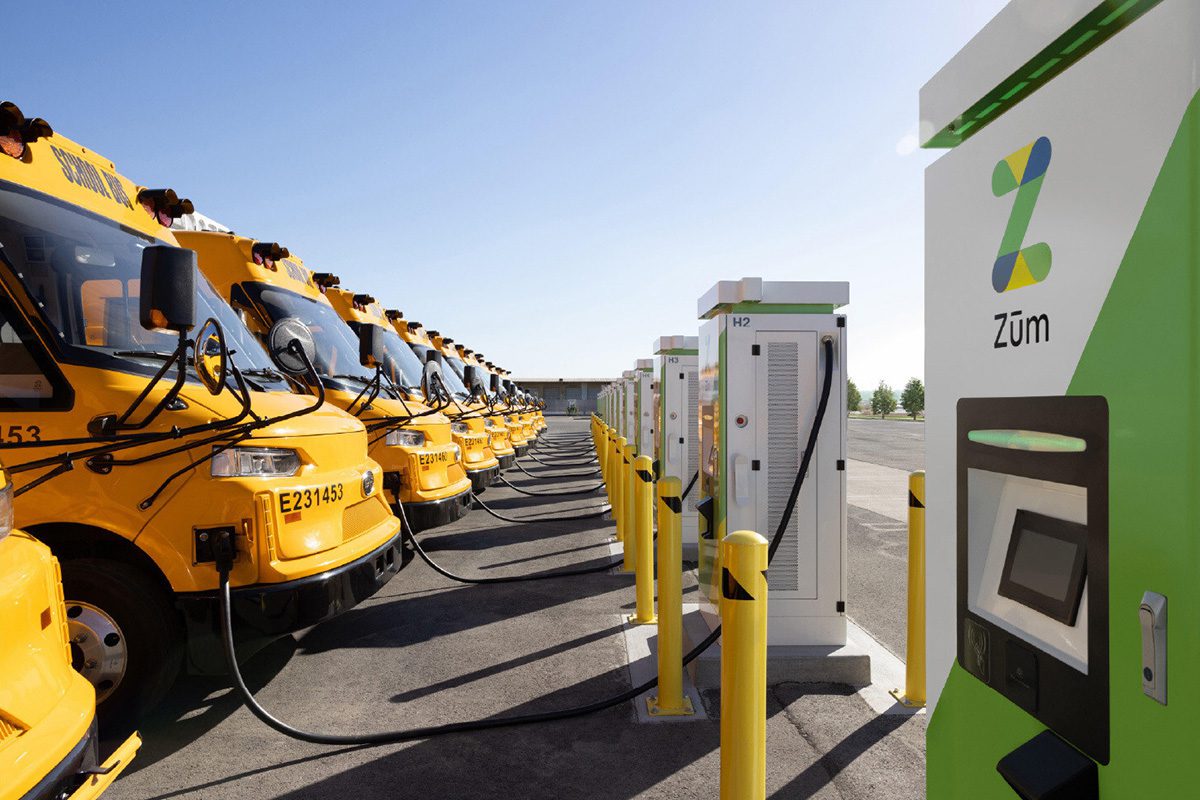
- The San Francisco Unified School District (SFUSD) is deploying 104 new electric school buses equipped with bidirectional charging technology.
- Partnering with student transportation provider Zum, the fleet is set to be fully operational by August 2026.
- These advanced buses will utilize Vehicle-to-Grid (V2G) capabilities, enabling them to return approximately 3 gigawatt-hours of clean energy to the local grid annually during peak demand.
- The initiative underscores SFUSD’s commitment to enhancing student safety, reducing environmental impact, and bolstering community-wide energy resilience.
- Plans are in place to expand the electric fleet to a total of 238 vehicles by the 2027-2028 school year, marking a significant step towards sustainable student transportation in San Francisco.
San Francisco Unified School District Accelerates Towards Fully Electric Student Transportation
San Francisco, California – The San Francisco Unified School District (SFUSD) is making a landmark move towards sustainable student transportation with the acquisition of 104 electric school buses. These state-of-the-art vehicles, sourced through student transportation provider Zum, are equipped with advanced bidirectional charging infrastructure, marking a significant step in the district’s commitment to environmental stewardship and modernizing its fleet. The new electric school buses in San Francisco are expected to commence operations by August 2026, setting a new benchmark for urban educational transport systems.
This initial deployment is part of a broader strategic vision. The SFUSD has ambitious plans to further expand its electric vehicle fleet during the 2027-2028 academic year, ultimately targeting a total of 238 electric vehicles. This comprehensive transition reflects a concerted effort to provide safer, cleaner, and more efficient transportation options for students across the city.
Revolutionary Bidirectional Charging and Grid Resilience
A pivotal feature of this deployment is the integration of bidirectional vehicle-to-grid (V2G) capabilities across all 104 electric buses. This innovative technology allows the school bus batteries to not only draw power from the grid for charging but also to feed surplus energy back into the local grid when the buses are not in active service. This mechanism is crucial for strengthening grid resilience, especially during periods of high electricity demand.
The collective capacity of these 104 buses is projected to return approximately 3 gigawatt-hours of clean energy to the San Francisco local grid annually. This contribution, strategically delivered during peak hours, can help stabilize the power supply, reduce reliance on fossil fuel ‘peaker’ plants, and support the broader clean energy objectives of the region. The utilization of electric school buses in San Francisco thus extends beyond mere transportation, positioning them as vital assets for local energy infrastructure.

Zum’s Connected Mobility Experience (CMX) Powers the Transition
The extensive deployment of these electric school buses will be seamlessly managed by Zum’s proprietary Connected Mobility Experience (CMX) solution. CMX represents a holistic approach to student transportation, integrating various critical components into a unified platform. This includes the electric vehicles themselves, the sophisticated charging infrastructure, intelligent routing algorithms, efficient dispatching systems, streamlined driver workflow management, real-time parent communication tools, and advanced energy management functionalities.
This comprehensive solution ensures that every aspect of the transportation process, from scheduling to energy optimization, is coordinated for maximum efficiency and reliability. The CMX platform is designed to enhance the overall experience for students, families, and drivers, leveraging technology to create a safer, more predictable, and environmentally friendly transportation ecosystem.
Leadership Voices on a Transformative Investment
Leaders from both Zum and the San Francisco Unified School District have emphasized the profound impact of this initiative. Ritu Narayan, CEO of Zum, articulated the multifaceted benefits, stating, "This electric fleet, combined with Zum’s CMX technology, will improve the mobility experience for students, families and drivers while strengthening grid reliability and resiliency for the entire community." Her statement underscores the dual objective of enhancing daily services while contributing to critical infrastructure.
Superintendent Maria Su of SFUSD echoed this sentiment, highlighting the district’s unwavering commitment to its students. "This investment reflects our commitment to improving the daily experience for students and families by providing safer, quieter, cleaner and more reliable transportation to and from school," Superintendent Su remarked. The focus on immediate, tangible improvements in student well-being through advanced, clean technology is a cornerstone of this project.
Environmental and Community Benefits of Electric School Buses
The widespread adoption of electric school buses in San Francisco brings a multitude of environmental and community advantages. Foremost among these is the significant reduction in tailpipe emissions. Traditional diesel school buses are a notable source of air pollutants, including particulate matter and nitrogen oxides, which can contribute to respiratory issues, especially in children. By switching to electric power, SFUSD is directly improving local air quality around schools and neighborhoods, creating a healthier environment for students, staff, and residents.
Beyond air quality, electric buses operate significantly quieter than their diesel counterparts. This reduction in noise pollution creates a more serene and less disruptive environment both inside the bus for students and outside in residential areas during pick-up and drop-off times. The quieter operation also enhances safety, allowing drivers to better hear external sounds and making the presence of the bus less intrusive in residential settings.
From an operational standpoint, electric school buses often boast lower fueling and maintenance costs over their lifespan, due to fewer moving parts and the fluctuating nature of fossil fuel prices. While the initial capital investment can be higher, these long-term savings, coupled with potential incentives and the grid service revenue from V2G capabilities, present a compelling financial case for electrification.
The Broader Trend of School Bus Electrification
The move by San Francisco Unified School District is part of a growing national and global trend towards electrifying school bus fleets. Districts across the United States are recognizing the health benefits for children, the environmental advantages, and the potential for long-term operational cost savings. Government incentives, technological advancements, and increasing public awareness of climate change are all fueling this transition.
California, in particular, has been at the forefront of promoting clean transportation initiatives, with various state programs and mandates encouraging the adoption of zero-emission vehicles. SFUSD’s proactive investment positions it as a leader in this evolving landscape, demonstrating a practical and impactful approach to integrating renewable energy and sustainable practices into daily public services.
The Future of Student Transportation in San Francisco
Looking ahead, the commitment to expand the electric fleet to 238 vehicles by the 2027-2028 school year signifies a robust long-term vision. This progressive electrification strategy will not only cement San Francisco’s reputation as a pioneer in urban sustainability but also ensure that future generations of students benefit from modern, clean, and reliable transportation services. The integration of advanced technologies like CMX and V2G ensures that this transition is not just about replacing old buses, but about revolutionizing the entire student transportation experience for the better.
Source: Zum
Frequently Asked Questions About SFUSD’s Electric Bus Program
What is the San Francisco Unified School District’s new electric bus initiative?
SFUSD is deploying 104 new electric school buses with bidirectional charging capabilities, in partnership with Zum. This initiative aims to transition student transportation to a cleaner, more reliable, and environmentally friendly system, with plans to expand the fleet to 238 electric vehicles by 2027-2028.
What is bidirectional charging (V2G technology) and how does it benefit the grid?
Bidirectional charging, or Vehicle-to-Grid (V2G) technology, allows electric vehicle batteries to both draw power from and return power to the electrical grid. This benefits the grid by providing stored energy during peak demand, enhancing stability, and utilizing clean energy sources, thereby strengthening overall grid resilience.
When will the new electric school buses be operational in San Francisco?
The initial fleet of 104 electric school buses is scheduled to be fully deployed and operational by August 2026. This timeline allows for the comprehensive integration of the vehicles and their associated charging infrastructure into the district’s transportation network.
What is Zum’s Connected Mobility Experience (CMX) solution?
Zum’s CMX solution is a comprehensive technology platform that integrates various aspects of student transportation. It includes electric vehicles, charging infrastructure, intelligent routing, dispatching, driver workflow management, parent communication tools, and energy management to create a seamless and efficient system.
What are the environmental and community benefits of this deployment?
This deployment will significantly reduce tailpipe emissions, improving air quality for students and residents. The quieter operation of electric buses reduces noise pollution, creating a more pleasant environment. Additionally, the V2G capabilities contribute to local grid stability with clean energy, enhancing community-wide energy resilience.
How many electric school buses will SFUSD operate eventually?
SFUSD plans to gradually expand its electric fleet to a total of 238 electric vehicles by the 2027-2028 school year. This ambitious goal underscores the district’s long-term commitment to sustainable and modern student transportation solutions.
Why are school districts adopting electric buses?
School districts are increasingly adopting electric buses due to their numerous benefits: improved air quality for children’s health, reduced noise pollution, lower long-term operational costs compared to diesel buses, and contributions to climate change mitigation. V2G technology also adds value by supporting grid stability and energy management.