
Key Takeaways:
- Porsche plans to reduce its global workforce by approximately 9,000 jobs through 2035, representing over 21% of its total employees.
- These significant job cuts are primarily driven by a challenging market in China and a complex, capital-intensive transition to electric vehicles (EVs).
- The job reductions will occur through natural attrition, early retirement schemes, and voluntary buy-outs to mitigate the impact.
- Initial ambitious EV plans for models like the Macan, Boxster, and Cayman have been scaled back or delayed, with petrol-powered variants now confirmed.
- The financial strain from adapting its electric vehicle strategy and declining sales in key markets like China is impacting Porsche’s capacity for ‘moonshot’ EV innovations.
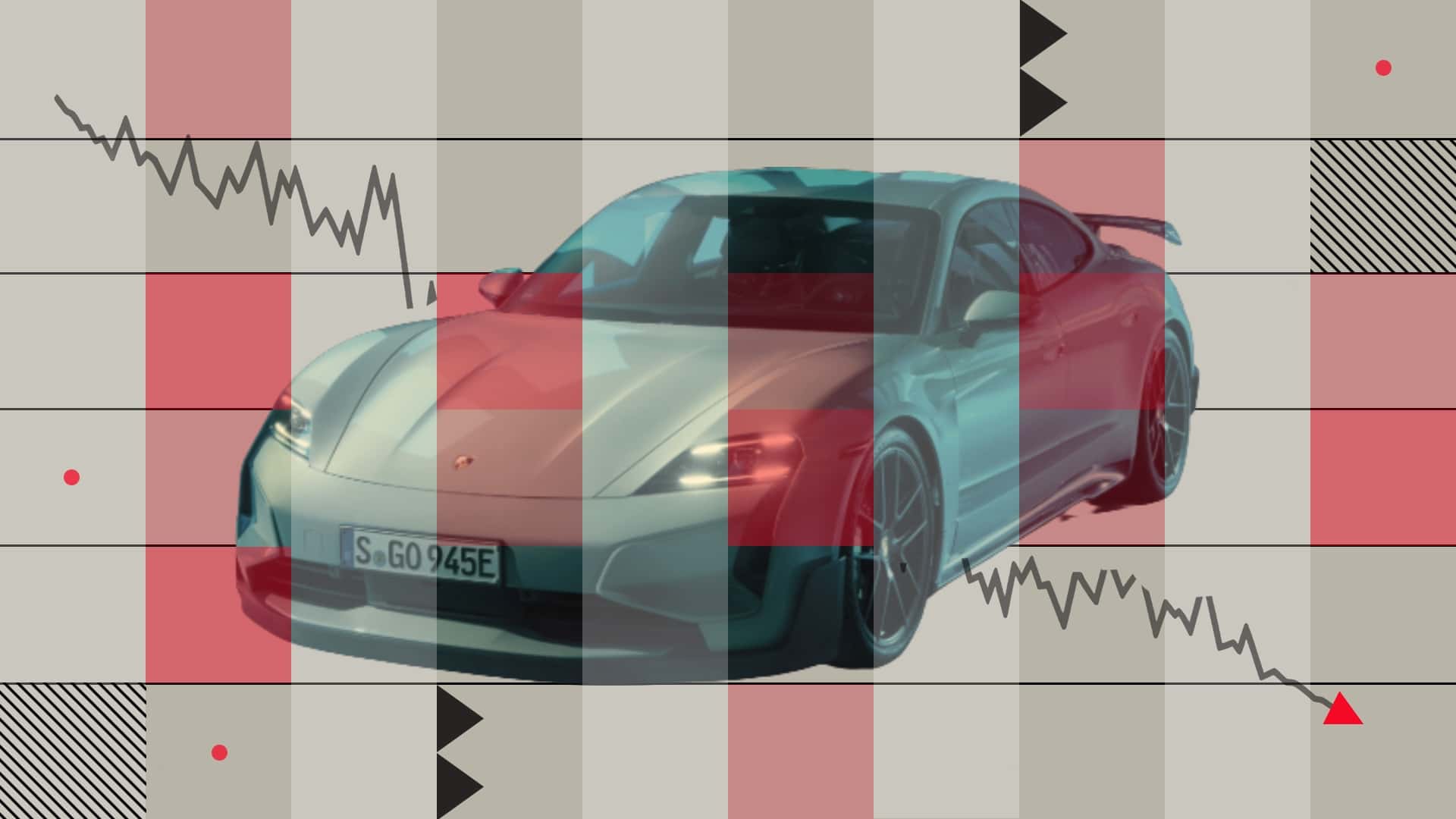
Stuttgart, Germany — Luxury sports car manufacturer Porsche has announced an extensive plan to reduce its global workforce by approximately 9,000 positions through 2035. This significant restructuring, revealed amidst mounting financial pressures, represents over 21% of the company’s 42,066 employees recorded during the fiscal year 2025.
The decision underscores the profound challenges facing the automotive giant, particularly a downturn in the crucial Chinese market and the intricate, high-stakes transition to an electric vehicle strategy. These factors are reportedly leading to considerable financial strain for the premium brand.
Workforce Adjustments Amidst Market Headwinds
The planned job cuts are a combination of newly announced reductions and previously outlined workforce adjustments. Porsche revealed that an additional 5,000 positions will be trimmed, adding to the roughly 4,000 cuts announced earlier. This cumulative reduction aims to streamline operations and enhance efficiency over the next decade.
Porsche has stated that the job reductions will be managed through a combination of natural attrition, encouraging early retirement schemes, and offering voluntary buy-out packages. This approach seeks to minimize involuntary dismissals while adapting the company’s structure to evolving market demands and its long-term electric vehicle strategy.
The scale of these workforce adjustments highlights the severe impact of current market conditions on even established premium manufacturers. Like many in the global automotive industry, Porsche is grappling with fluctuating consumer demand, intense competition, and the enormous investment required for electrification.
Navigating the EV Transition: A Challenging Path
Porsche’s foray into electric vehicles began with considerable promise. The Porsche Taycan, launched in 2019, was celebrated as a benchmark for sophisticated electric performance from a legacy automaker. Its 800-volt architecture, rapid charging capabilities, and robust cooling system set new standards for on-track performance in the EV segment.
Over the years, the Taycan has seen continuous improvements, with recent updates significantly enhancing its charging curve and extending its range to over 300 miles on a single charge. This initial success positioned Porsche as a leader in electric vehicle technology, signaling a strong commitment to the electric age.
Following the Taycan’s debut, Porsche articulated ambitious plans for full electrification across its lineup. The Macan crossover, a high-volume product, was slated to become electric-only, with all-electric versions of the iconic Boxster and Cayman sports cars planned as direct replacements for their internal combustion engine (ICE) counterparts.
However, the execution of this aggressive electric vehicle strategy encountered significant hurdles. The electric Macan, while technically impressive, faced challenges related to its premium pricing and a strong, persistent affinity among Porsche buyers for gasoline engines. This led to a strategic pivot, with the company initiating development of a new gas-powered Macan to run concurrently with the EV variant.
Similarly, the all-electric Boxster and Cayman models experienced repeated delays. Initially conceived as electric-only, subsequent announcements revealed plans for gas-powered options for the ultra-high-performance versions, and later, for gas variants across the entire model line. These shifts indicate a cautious approach to full electrification, reflecting market realities and consumer preferences.
The recently launched Cayenne Electric, now available in U.S. showrooms, further illustrates this dual strategy. While it boasts advanced features like wireless charging, ultra-fast DC fast charging, and an impressive highway range exceeding 350 miles in InsideEVs testing, it does not replace its popular gasoline-powered sibling. A new internal combustion model of the Cayenne is set to follow, confirming Porsche’s diversified approach.
The Critical China Market Downturn
The Chinese market, once a bastion of growth and prestige for Porsche, has become a significant source of concern. The country’s rapidly evolving electric vehicle market, characterized by intense competition from fast-moving domestic EV brands, has proven particularly challenging for the German automaker.
Porsche’s sales in China have experienced a notable decline. Last year, the company sold just under 42,000 vehicles in the region, a stark contrast to its peak of 95,671 units recorded in 2021. This substantial drop in sales in its largest single market directly contributes to the financial pressures necessitating the workforce adjustments.
The Chinese market’s swift pivot towards sophisticated and competitively priced local EV offerings has made it difficult for established luxury brands to maintain their previous market share. Porsche’s struggle to adapt its electric vehicle strategy quickly enough to this dynamic environment has had palpable consequences on its global performance.
Implications for Porsche’s Electric Vehicle Strategy
The constant re-evaluation and adjustments to Porsche’s electric vehicle strategy have incurred significant costs, both financially and in terms of market momentum. The iterative development cycles and the need to frequently re-tool model plans have strained the company’s capital resources.
For a niche, small-volume manufacturer like Porsche, getting the timing and execution of a major technological shift wrong can be particularly damaging. The current financial constraints and the lessons learned from market shifts are expected to temper the company’s future ambitions for groundbreaking EV projects.
This situation suggests a decreased appetite for what might be termed ‘moonshot’ EV products – highly innovative, expensive undertakings designed to secure a technological lead without immediate, substantial profitability. Instead, Porsche’s electric vehicle strategy may evolve to a more pragmatic approach, prioritizing profitability from its traditional internal combustion engine offerings while gradually building a sustainable and profitable EV business for the future.
This strategic realignment, while potentially beneficial for shareholders in the short term, may lead to slower innovation and less aggressive adoption of electrification across the luxury performance segment. The spokesperson for Porsche declined to comment for this story.
Frequently Asked Questions (FAQ)
What is the total number of job cuts planned by Porsche?
Porsche plans to cut approximately 9,000 jobs through 2035. This figure combines a new announcement of 5,000 reductions with a previously disclosed plan for 4,000 job cuts, totaling over 21% of the company’s workforce in fiscal year 2025.
Why is Porsche implementing these workforce reductions?
The job cuts are a response to a challenging global automotive market, including a significant downturn in sales in China and the high costs associated with its evolving electric vehicle strategy. The company aims to stem financial losses and enhance operational efficiency.
How will Porsche manage these job cuts?
Porsche intends to implement the job reductions through methods designed to minimize compulsory layoffs. These include natural attrition, offering early retirement programs, and voluntary buy-out schemes, allowing employees options while the company streamlines its operations.
How has Porsche’s electric vehicle strategy changed recently?
Initially, Porsche pursued aggressive electrification plans for models like the Macan, Boxster, and Cayman. However, due to market feedback and consumer preferences, these plans have been adjusted. Petrol-powered variants are now confirmed for models previously slated for electric-only futures, indicating a more flexible approach.
What is the impact of the Chinese market on Porsche’s current situation?
China, once Porsche’s largest market, has seen a substantial decline in sales, falling from a peak of 95,671 units in 2021 to under 42,000 last year. This downturn is largely due to intense competition from local EV manufacturers and a rapidly changing consumer landscape, significantly impacting Porsche’s revenue.
How do these changes affect the future of Porsche’s EV innovation?
The current financial constraints and market struggles are expected to reduce Porsche’s willingness to invest in highly experimental or ‘moonshot’ EV projects. The company may adopt a more conservative electric vehicle strategy, balancing traditional petrol car profitability with gradual EV development.