
Key Takeaways
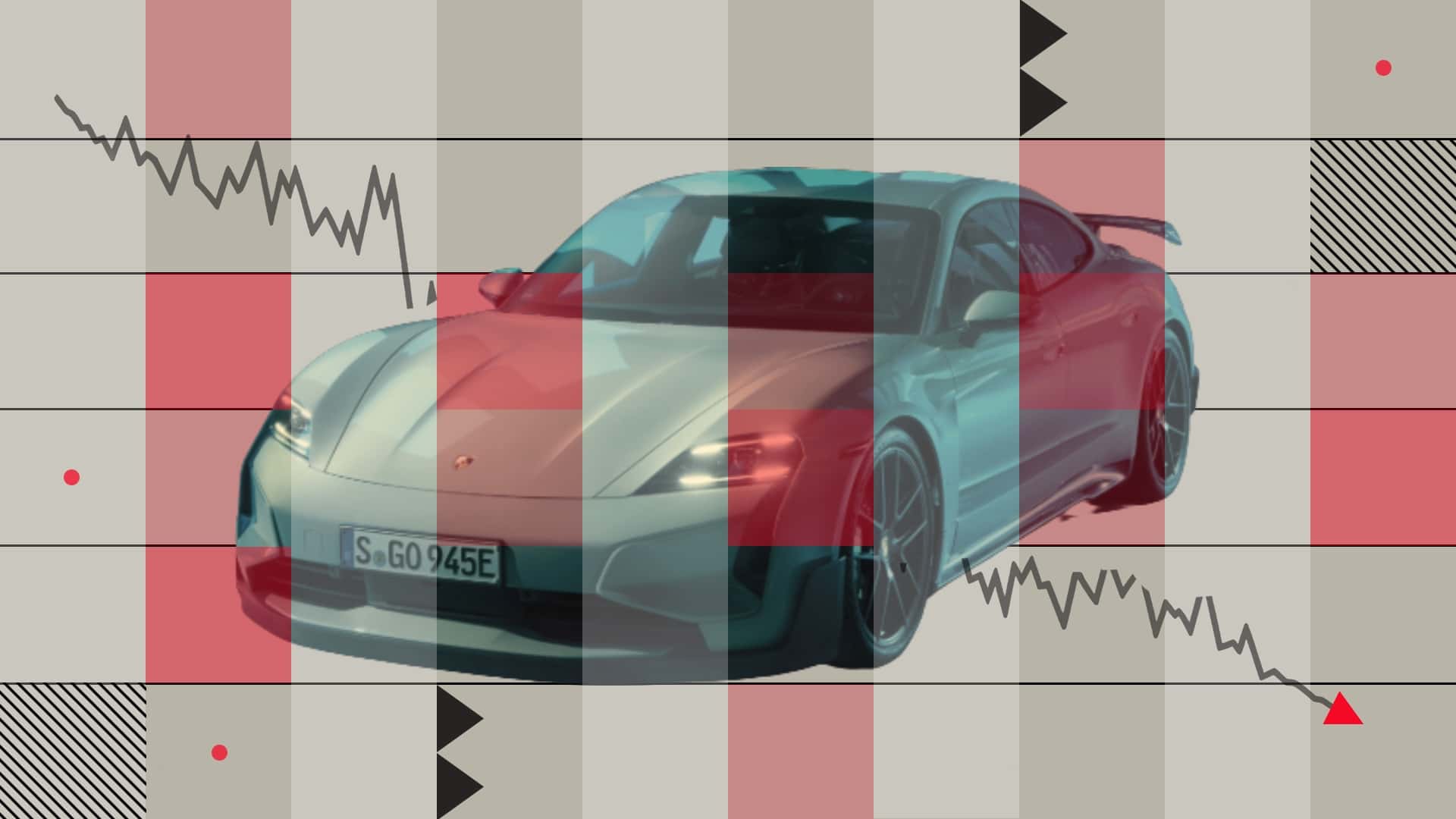
- Porsche plans to reduce its workforce by approximately 9,000 jobs through 2035, representing over 21% of its total employees.
- The luxury automaker attributes these job cuts to a challenging market in China and a complex transition to electric vehicles (EVs).
- The workforce reduction will be managed through natural attrition, early retirement, and voluntary buy-out programs.
- Shifts in Porsche’s electric vehicle strategy, including the introduction of gasoline variants for previously all-electric planned models like the Boxster and Cayman, reflect market demands and development hurdles.
- Financial pressures stemming from these strategic pivots are likely to temper the company’s future investment in ambitious, high-risk EV ‘moonshot’ projects.
Stuttgart, Germany — Luxury sports car manufacturer Porsche AG is embarking on a significant workforce restructuring, announcing plans to trim approximately 9,000 jobs by 2035. This comprehensive reduction, which accounts for over 21% of its workforce based on the 42,066 employees recorded during fiscal year 2025, comes as the automaker grapples with a challenging global market, particularly a notable decline in its crucial Chinese operations, and the complexities of its ambitious electric vehicle (EV) transition.
The job cuts are designed to be implemented primarily through natural attrition, various early retirement schemes, and targeted voluntary buy-out programs. This latest announcement adds 5,000 new planned reductions to the roughly 4,000 cuts that had been previously communicated, signaling a concerted effort to streamline operations and adapt to evolving industry dynamics.
The financial pressures resulting from these market shifts and strategic adjustments are expected to influence Porsche’s future product development, potentially curbing its appetite for high-cost, experimental EV initiatives that may not yield immediate profits. This situation presents a pivotal moment for Porsche’s electric vehicle strategy and its long-term direction within the premium automotive segment.
Workforce Restructuring: A Strategic Imperative
The decision to reduce the workforce by a substantial margin underscores the scale of the challenges Porsche currently faces. In an automotive landscape marked by rapid technological advancements and fluctuating consumer preferences, adapting operational structures becomes critical for sustained competitiveness.
This long-term plan for job reductions reflects a strategic decision to enhance efficiency and optimize resource allocation across the company’s global operations. By leveraging methods like natural attrition and voluntary programs, Porsche aims to manage this transition responsibly while minimizing involuntary departures.
The restructuring is a direct response to a difficult business environment, characterized by significant shifts in consumer demand and the substantial investments required for the transition to electric mobility. The company’s leadership is navigating a delicate balance between preserving its heritage of performance and embracing the future of electrification.
Porsche’s Pioneering EV Journey: The Taycan’s Legacy
Porsche established itself as an early pioneer in the premium EV segment with the introduction of the Taycan in 2019. This model quickly gained recognition as one of the most sophisticated electric vehicles from a legacy automaker, showcasing advanced engineering prowess.
The Taycan featured an innovative 800-volt architecture, enabling lightning-fast charge times and impressive thermal management capabilities essential for sustained high-performance driving. Its arrival solidified Porsche’s commitment to maintaining its engineering edge in the nascent electric era.
Subsequent updates to the Taycan have further refined its performance, including a more impressive charging curve and new models capable of exceeding 300 miles on a single charge. This continuous improvement demonstrated Porsche’s initial resolve to lead in electric vehicle technology and innovation.
Navigating the Electrification Crossroads
Despite the Taycan’s initial success, Porsche’s broader electric vehicle strategy has encountered considerable hurdles and undergone several revisions. Early plans included an all-electric transition for high-volume models like the Macan crossover, with electric-only Boxster and Cayman sports cars envisioned as direct replacements for their gasoline counterparts.
The electric Macan, upon its arrival, was lauded for its engineering but faced resistance due to its high price point and the enduring affinity of Porsche buyers for internal combustion engines. This prompted the company to reassess its strategy, leading to the development of a new gasoline-powered Macan to run concurrently with its electric sibling.
Similarly, the all-electric Boxster and Cayman models have experienced repeated delays. Initial commitments to electric-only variants shifted to include gasoline engine options for ultra-high-performance versions, and subsequently, plans were revealed for gas variants across the entire model line. These strategic pivots highlight the complexities and uncertainties inherent in the luxury EV market.
The new Cayenne Electric, which launched in U.S. showrooms this year, offers advanced features like wireless charging, ultra-fast DC fast charging, and a highway range exceeding 350 miles as validated by InsideEVs testing. However, it too is not slated to replace its gasoline-powered counterpart, with a new internal combustion Cayenne model also in the pipeline.
This pattern of strategic adjustments and product line expansion, rather than direct electrification, has incurred significant financial costs and impacted sales. The constant recalibration of Porsche’s electric vehicle strategy reflects the company’s efforts to align its ambitious electrification goals with evolving market realities and consumer demand.
Market Headwinds: The China Challenge
A major contributing factor to Porsche’s current financial pressures is the rapidly changing automotive market in China. Once a robust and prestigious market for the brand, China has become a source of significant struggle as the local EV sector rapidly innovates and expands.
The shift in consumer preferences towards domestically produced, fast-moving electric vehicle brands has diminished the competitive edge of traditional luxury marques. Porsche’s sales in China reflect this downturn, with just under 42,000 cars sold last year, a figure less than half of its peak of 95,671 units recorded in 2021.
This substantial decline in one of its most critical growth markets has exerted immense pressure on Porsche’s overall financial performance. Adapting to the speed and specific demands of the Chinese EV market presents a distinct and ongoing challenge for the German automaker, impacting its global profitability and resource allocation.
The Broader Implications for EV Innovation
The current financial climate and strategic retrenchment at Porsche carry significant implications for the broader landscape of high-end electric vehicle development. Historically, the high-end market was anticipated to electrify rapidly, with traditional performance and luxury manufacturers expected to invest heavily to secure a technological lead.
Today’s workforce reductions and strategic adjustments serve as a stark reminder of the critical importance of accurate market timing in product development. For smaller-volume manufacturers like Porsche, with lengthy development cycles and finite capital, misjudging market readiness for electrification can lead to considerable financial strain.
The company’s current capital-constrained and strategically bruised state, resulting from half a decade of fluctuating electric vehicle strategy, is likely to reduce its willingness to pursue high-risk ‘moonshot’ EV projects. This could translate into a more conservative approach to product innovation, prioritizing profitability and market stability over groundbreaking, yet unproven, electric vehicle ventures.
A Sobering Reality for the Automotive Industry
Porsche’s situation underscores a sobering reality facing many legacy automakers: the delicate balance between maximizing revenue from proven internal combustion engine (ICE) vehicles and investing in a profitable electric future. The challenges faced by the brand may lead to a greater emphasis on ICE sales to generate necessary capital, while a sustainable EV business is built progressively.
This cautious approach, while potentially sound for shareholder interests, may disappoint enthusiasts hoping for an acceleration of cutting-edge electric performance vehicles from premium brands. It suggests a potential shift towards more incremental EV development rather than revolutionary leaps.
A spokesperson for Porsche declined to comment on the matter, emphasizing the company’s focus on internal strategic adjustments. The coming years will reveal how these decisions reshape Porsche’s product portfolio and its position in the evolving global automotive industry.
Frequently Asked Questions About Porsche’s EV Strategy and Workforce Changes
Why is Porsche implementing significant job cuts?
Porsche is reducing its workforce due to a challenging business environment, including a declining market in China and the high costs and complexities associated with its transition to electric vehicles (EVs). These cuts are part of a broader strategy to streamline operations and ensure long-term financial stability.
How many jobs are being cut, and over what period?
Porsche plans to cut approximately 9,000 jobs through 2035. This figure represents over 21% of its total workforce, based on 42,066 employees in fiscal year 2025. The reductions combine 5,000 new cuts with 4,000 previously announced positions.
How will these job reductions be managed?
The job cuts will primarily be managed through non-disruptive methods. These include natural attrition, where positions are not refilled after employees leave, early retirement programs, and voluntary buy-outs for eligible employees. This approach aims to minimize involuntary terminations.
How has Porsche’s electric vehicle strategy evolved?
Initially, Porsche pursued an aggressive electric vehicle strategy, exemplified by the Taycan and plans for all-electric Macan, Boxster, and Cayman models. However, market realities, including high prices and persistent demand for gasoline engines, led to shifts, such as introducing gas variants for models previously slated for electric-only production.
What impact will these changes have on future Porsche EV models?
The current financial pressures and strategic adjustments are expected to temper Porsche’s investment in ambitious, high-risk EV ‘moonshot’ projects. The company may adopt a more conservative approach, prioritizing profitability and market stability, which could lead to more gradual EV development rather than radical innovations.
Why is the Chinese market particularly challenging for Porsche?
The Chinese market has become difficult for Porsche due to rapid advancements by local EV manufacturers and shifting consumer preferences towards domestic electric brands. Porsche’s sales in China have significantly declined, impacting its overall global performance and necessitating strategic adaptations.
What does this mean for consumers interested in Porsche EVs?
For consumers, these developments suggest that Porsche might prioritize hybrid and gasoline options alongside its EV offerings for a longer period. While innovative EV models like the Cayenne Electric will continue, the pace and scope of fully electric, high-performance ‘moonshot’ products may become more measured, balancing innovation with market demand and financial prudence.