
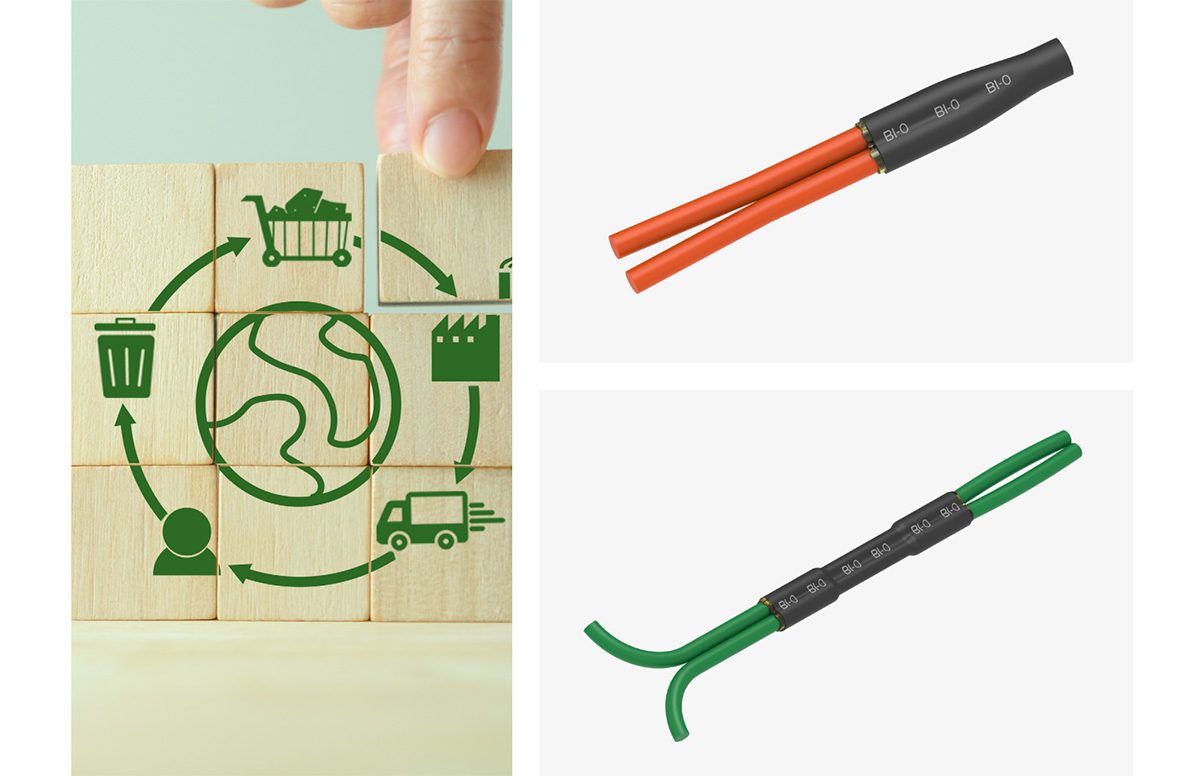
In an era increasingly defined by environmental consciousness and the urgent need for sustainable solutions, the global landscape of material science is undergoing a significant transformation. A key area of this evolution is the burgeoning market for bio-based polymers, which is poised for substantial expansion, according to recent industry forecasts. This growth is fundamentally driven by the inherent advantage of bio-based materials: their reliance on renewable, plant-based content, offering a crucial alternative to fossil fuel-derived products.
The public’s escalating concern over the environmental impact and finite nature of fossil fuels has catalyzed a powerful shift towards greener alternatives across numerous industries. This societal pressure, coupled with pioneering scientific and engineering advancements, is accelerating the development and adoption of sustainable chemicals. These innovations are not merely incremental; they represent groundbreaking shifts in how raw biomass materials are refined and transformed into sophisticated construction materials and a diverse array of finished products.

The Global Shift Towards Sustainable Polymers
The trajectory of the bio-based polymer market points towards a future where sustainability is not just a preference but a fundamental requirement. This anticipated growth is directly linked to the increasing global demand for sustainable chemicals, reflecting a broader commitment from both industry and consumers to reduce environmental footprints.
Central to this paradigm shift is the unique benefit of bio-based polymers: their origin in renewable, plant-based resources. Unlike conventional plastics, which depend on finite petrochemical feedstocks, bio-based alternatives offer a pathway to circular economies and reduced carbon emissions. This aspect addresses core environmental concerns, particularly the public’s widespread apprehension regarding the continued extensive use of fossil fuels and their contribution to climate change.
Advancements in Biomass Refinement
The surge in the bio-based polymer sector is underpinned by substantial technological breakthroughs. These advancements primarily focus on improving the methods for refining biomass raw materials. These sophisticated processes unlock the potential of plant-derived matter, converting it efficiently into high-performance polymers.

Such innovations are critical, enabling the creation of new bio-based construction materials and a variety of other sustainable products. The enhanced efficiency and cost-effectiveness of these refining techniques are pivotal in making bio-based solutions competitive and viable for widespread industrial adoption, further fueling market expansion.
Bio-Based Heat Shrink Tubing: A Key Application
Among the various applications benefiting from these material science breakthroughs, bio-based heat shrink tubing stands out as a significant development, particularly for electronic component protection. This innovative product leverages the sustainable attributes of bio-based polymers to offer an environmentally responsible alternative to traditional heat shrink solutions.
The transition to bio-based heat shrink tubing represents a revolution in how industries approach the safeguarding of sensitive electronic components. By integrating sustainable materials, manufacturers can uphold high standards of protection while simultaneously advancing their environmental objectives and meeting growing regulatory demands for greener products.
Unpacking the Benefits of Bio-Based Materials
A detailed understanding of bio-based polymers reveals their multifaceted advantages across various dimensions, from market dynamics to specific product performance. These insights are crucial for industries looking to navigate the evolving landscape of sustainable manufacturing and product development.
Market Trajectories and Demand Drivers
Industry analysis provides a comprehensive view of the market dynamics currently shaping the bio-based polymer sector. This includes an examination of the primary forces propelling its growth, such as increasing environmental regulations, consumer demand for sustainable products, and corporate sustainability initiatives. Understanding these drivers is essential for stakeholders to anticipate future trends and strategic opportunities within the industry.
Scientific Innovations in Polymer Chemistry
The foundation of the bio-based polymer revolution lies in cutting-edge scientific innovations. Researchers are continually exploring new frontiers in polymer chemistry, leading to the development of advanced bio-based materials with enhanced properties. These advancements encompass novel synthesis methods, improved material characteristics, and expanded application possibilities, pushing the boundaries of what sustainable materials can achieve.
Environmental Advantages of Bio-Based Solutions
A core benefit of bio-based polymers is their significant positive environmental impact. These materials inherently contribute to a reduction in greenhouse gas emissions throughout their lifecycle compared to petroleum-based alternatives. Furthermore, their use directly lessens the global reliance on finite fossil fuels, promoting a more sustainable and circular economy model for material production and consumption.
Performance and Application Versatility
Beyond their environmental credentials, bio-based heat shrink tubing offers practical performance benefits across diverse applications. These products demonstrate remarkable versatility, adapting to various industrial requirements, alongside superior durability for long-lasting protection. Crucially, they maintain high safety standards, making them a reliable choice for sensitive electronic components in sectors ranging from automotive and aerospace to consumer electronics and medical devices.
The robust features of bio-based heat shrink tubing ensure that the shift towards sustainability does not compromise the critical functional requirements of modern electronic systems, delivering both ecological responsibility and operational excellence.
Accessing Deeper Insights
For those seeking a more profound understanding of these groundbreaking advancements, a comprehensive whitepaper compiled by TE Connectivity offers invaluable insights. This resource delves into the intricate details of market dynamics, scientific innovations, environmental implications, and the specific application benefits of bio-based heat shrink tubing.
The whitepaper serves as an essential guide for engineers, product developers, and industry leaders aiming to leverage these sustainable materials for electronic component protection and to stay at the forefront of this critical industrial transformation.