
Dealerships Sue Volkswagen Over Plans to Sell Scout Plug-in Vehicles Directly to Consumers
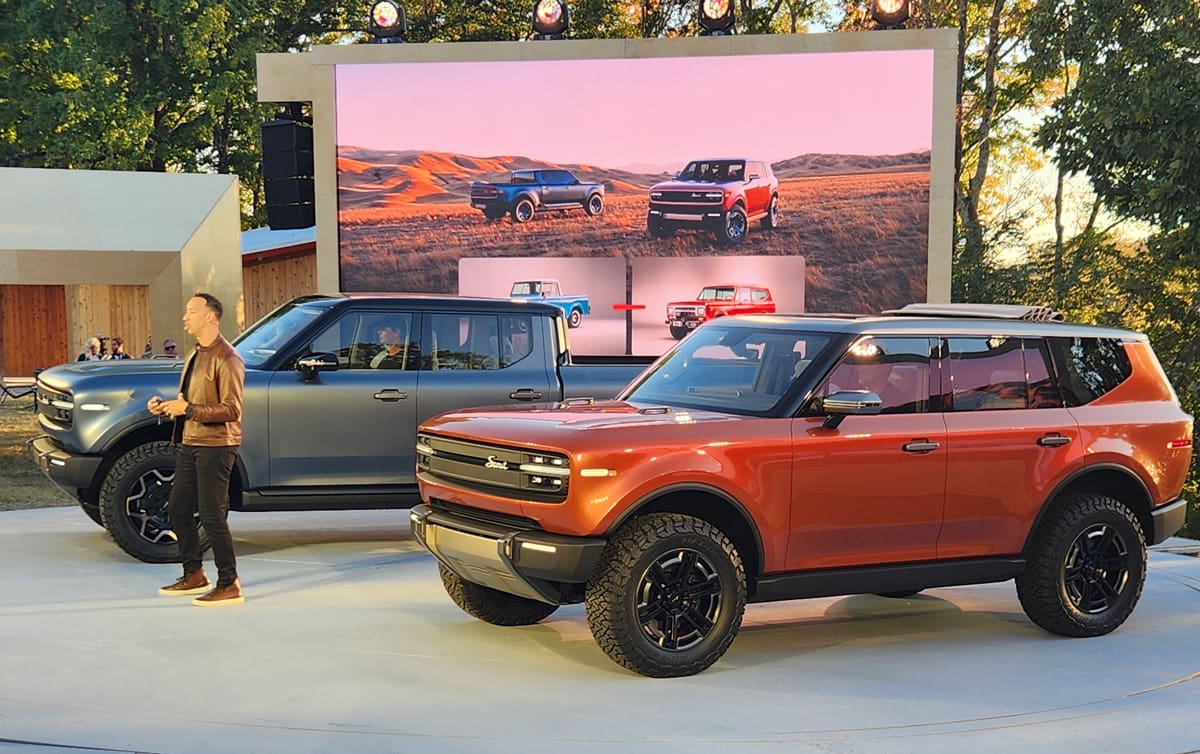
A class-action lawsuit has been filed against Volkswagen by two of its dealerships, Sunrise Imports LLC and Curran Volkswagen Inc., alleging the automaker is attempting to bypass contractual obligations by selling Scout-brand electric vehicles (EVs) and plug-in hybrid electric vehicles (PHEVs) directly to consumers.
The legal action, initiated on March 3, 2026, in the U.S. District Court for the Eastern District of Virginia, accuses Volkswagen of creating separate entities, Scout Motors, Inc. and Scout Motor Sales LLC, to act as shell corporations and circumvent its responsibilities under the existing Volkswagen Dealer Agreement.

Allegations of Contractual Breach
The lawsuit contends that Volkswagen is asserting Scout is a separate entity to avoid its legal duties, despite Scout CEO Scott Keogh’s confirmation that “100% Scout Motors is part of the Volkswagen Group.” This framing, according to the plaintiffs, is a legal fiction designed to permit direct sales.
Hagens Berman, a law firm with a history of successful litigation against Volkswagen on behalf of dealership owners, is representing the plaintiffs. Managing Partner Steve W. Berman stated, “We believe Volkswagen was fully aware of its legal responsibilities to dealership owners when it chose to sell Scout vehicles directly to consumers online.” He added, “It appears that VW has violated its own contract with its dealerships…and we intend to uphold the contractual rights of these small businesses.”
Dealerships Claim Lost Revenue and Opportunity
Scout’s online presence allows consumers to place pre-production reservations for its vehicles for a $100 deposit. The lawsuit claims that over 150,000 individuals have already paid for these reservations, representing a significant loss for dealerships.

“VW dealerships are accordingly being deprived of their right and ability to sell these cutting-edge vehicles,” the lawsuit asserts. It details that dealerships are not only losing potential profits from vehicle sales and the initial reservation fees but are also missing out on opportunities for financing, after-sales service, and the chance to cross-sell other Volkswagen vehicles.
The Evolving Automotive Sales Landscape
The traditional model of automakers selling exclusively through independent dealerships is increasingly being challenged in the digital age. Consumers have grown accustomed to purchasing goods directly from manufacturers, and many view the franchise dealership system as an outdated relic.
Dealership groups maintain that they provide essential product information and crucial after-sales support. However, the unique service requirements of electric vehicles, which are generally less maintenance-intensive than internal combustion engine vehicles, along with criticisms regarding dealers’ historical performance in educating consumers about EVs and lobbying against pro-EV policies, have fueled the debate.
Precedent for Direct EV Sales
Newer, EV-focused automotive brands like Tesla and Rivian have operated on a direct-to-consumer sales model since their inception. These companies have engaged in protracted legal battles across various U.S. states to secure the right to sell directly, often encountering legal hurdles designed to protect the existing franchise dealership system.
Legacy Original Equipment Manufacturers (OEMs) have expressed interest in adopting direct sales strategies. However, state laws in the U.S. generally prohibit such practices, making it difficult for established automakers to transition away from the dealership model.
Despite these legal restrictions, automakers have continued to explore ways to push the boundaries of the traditional automaker-dealership relationship. Scout Motors’ announcement in 2025 to pursue direct sales for its upcoming electrified vehicles was met with immediate organizational efforts from dealer groups to mount legal challenges.
An Ongoing Legal Battle
The lawsuit filed by Sunrise Imports LLC and Curran Volkswagen Inc. is seen as a significant development in the ongoing tension between automakers seeking direct sales models and franchised dealers aiming to preserve their established business structures.
The outcome of this case could set a precedent for how other legacy automakers navigate the complexities of selling EVs and PHEVs directly to consumers, potentially influencing future legal challenges and legislative efforts concerning automotive distribution laws.
The core of the dispute highlights a fundamental conflict: automakers seeking to adapt to evolving consumer preferences and market dynamics, and dealerships striving to protect their livelihoods and the established franchise system. Regardless of the court’s decision, this case is likely to be one of many in the broader industry-wide discussion and legal contest over the future of automotive sales.