
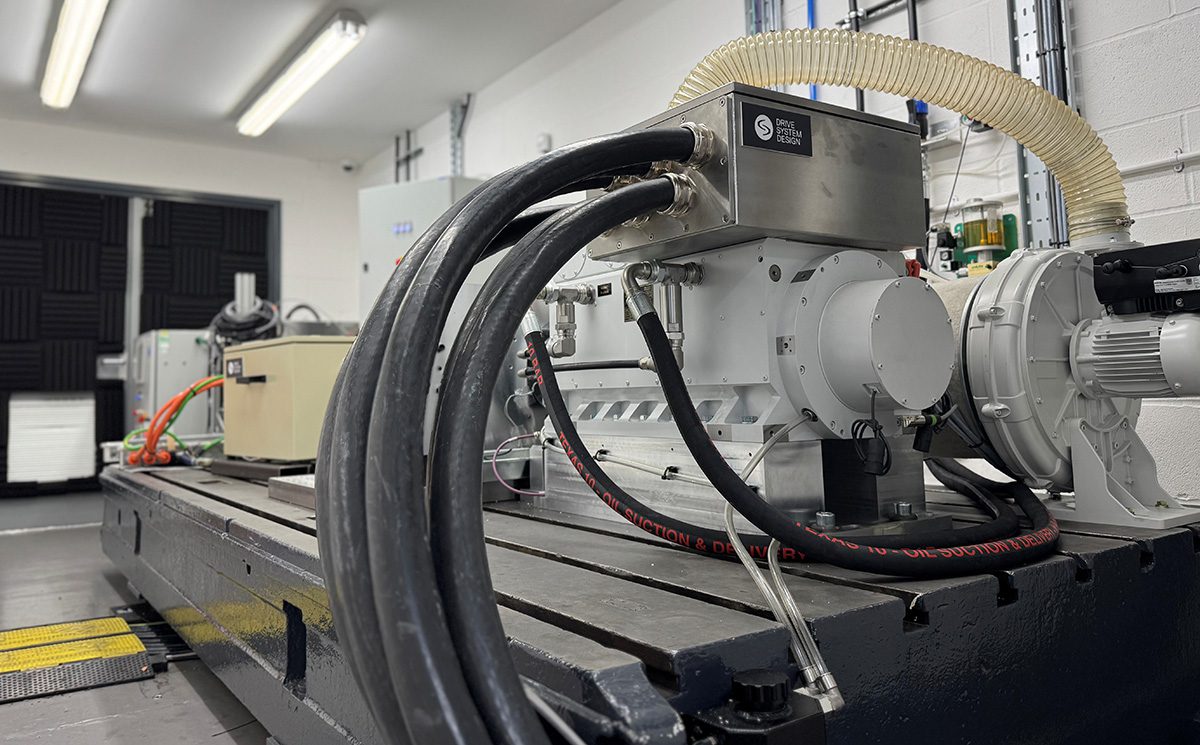
Drive System Design Slashes E-Motor Testing Time by 75% with Automated Optimization Platform
Drive System Design (DSD) has announced a significant breakthrough in electric vehicle (EV) propulsion development, unveiling an automated eMotor and Inverter Optimization Test Programme that reportedly cuts testing time by over 75%. This new system is poised to accelerate the development of electric powertrains across diverse sectors including automotive, aerospace, marine, defense, and off-highway applications.
Addressing a Key Bottleneck in E-Powertrain Development
The optimization mapping of electric motors has long been a time-consuming and resource-intensive phase in e-powertrain development. Traditionally, this process demands extensive engineer oversight and lengthy dyno (dynamometer) testing campaigns, often slowing down critical development timelines.

DSD’s innovative platform is specifically engineered to tackle this challenge head-on. It employs a proprietary automation routine, built using MATLAB/Simulink, to execute complex four-quadrant Max Torque Per Amp optimization loops. This advanced system can process an impressive approximately 20,000 test points in under 48 hours, a dramatic improvement over conventional methods.
Enhanced Efficiency and Repeatability
The automated platform is designed for continuous, unmanned operation. A key feature is its ability to automatically manage thermal conditions during testing, ensuring optimal performance and maximizing the utilization of expensive dyno equipment. This not only accelerates the overall testing process but also generates more consistent and repeatable datasets.
The improved data quality is crucial for accurate model correlation and the development of digital twins, enabling engineers to refine designs with greater precision and confidence. DSD reports that in ongoing customer projects, this approach has consistently demonstrated a reduction of more than 75% in optimization testing time when compared to typical original equipment manufacturer (OEM) best-practice processes.

Integrating Real-World Conditions Earlier
Beyond optimizing the testing process itself, DSD is enhancing its rig and fixture techniques. The company is incorporating methods to replicate real-world load conditions, such as those experienced by wheels or propellers, much earlier in the development cycle. This proactive approach allows engineers to validate the mechanical behavior and durability of components before they are integrated into complete vehicles or aircraft.
“By combining high-performance test rigs, automation and repeatable engineering methods, we’re helping customers generate the data and confidence they need earlier in the programme,” stated Rob Smith, Head of Development & Test at Drive System Design.
This integrated strategy ensures that potential issues related to mechanical performance and longevity are identified and addressed at the earliest feasible stage, thereby streamlining the path to production and reducing costly late-stage design changes.
Accelerating the Electric Revolution
The advancements made by Drive System Design underscore the rapid pace of innovation within the electric propulsion sector. As demand for EVs and other electrified transportation solutions continues to grow across various industries, the need for faster, more efficient, and more reliable development tools becomes increasingly critical.
DSD’s automated testing platform represents a significant step forward in meeting these demands. By reducing testing durations and improving data integrity, the company is empowering engineers to bring next-generation electric propulsion systems to market more quickly and cost-effectively. This contributes directly to the broader goals of electrification, including reduced emissions and enhanced energy efficiency.
The focus on continuous, unmanned operation and automated thermal management highlights a trend towards greater autonomy and efficiency in engineering test environments. This allows highly skilled engineers to focus on analysis and innovation rather than manual data collection and test supervision.
The ability to simulate realistic loads early in the development process further reduces risk and accelerates validation, a crucial factor in complex engineering projects involving automotive, aerospace, and defense sectors where safety and reliability are paramount.
Drive System Design’s contribution is expected to influence how e-motor and inverter optimization is approached across the industry, potentially setting new benchmarks for speed, efficiency, and data quality in electric powertrain engineering.