
Key Takeaways:
- Skyfly Technologies is making its proprietary electric propulsion system, originally designed for its two-seat Axe aircraft, available to other Original Equipment Manufacturers (OEMs).
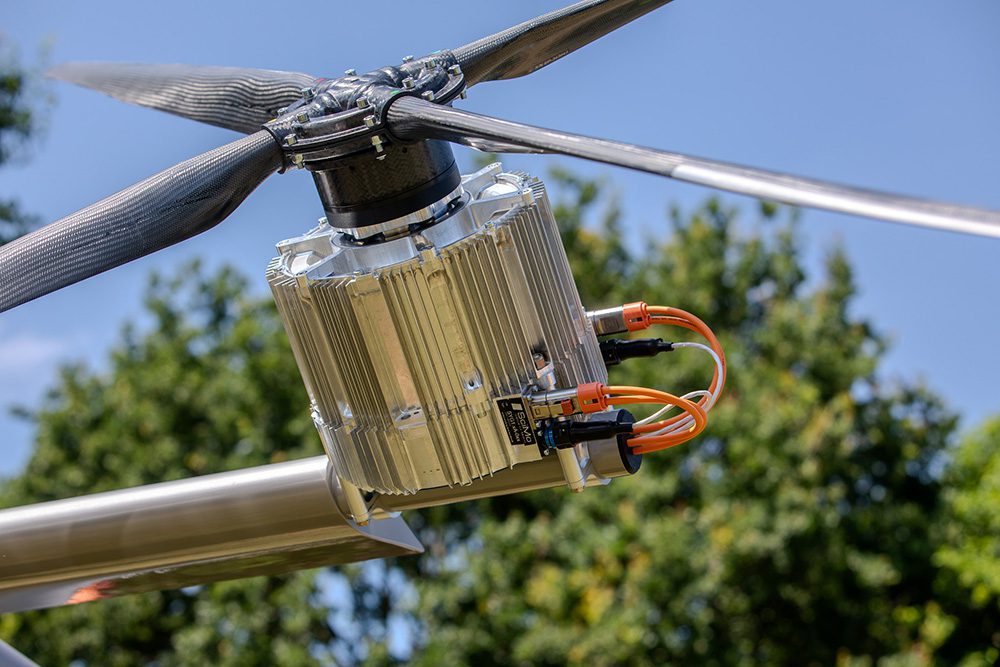
- The core offering includes an Integrated Motor-Inverter unit, co-developed with SciMo, designed as a direct replacement for 100 hp Rotax engines, simplifying electrification for existing airframes.
- A complete electric package will also include a Power Distribution Unit and an 800 V class battery system, both undergoing active development.
- The technology is engineered to meet FAA Light Sport Aircraft (LSA) requirements, with Skyfly contributing to the FAA’s Modernization of Special Airworthiness Certification (MOSAIC) rule.
- Separately, Skyfly has introduced a hybrid propulsion system for unmanned aerial platforms, offering extended range and in-flight charging capabilities, operating on fuels like JP-8.
- This strategic move aims to accelerate the adoption of electric and hybrid propulsion across the aviation industry, reducing development burdens for manufacturers.
New Delhi, August 5, 2026 – In a significant development poised to accelerate the transition towards sustainable aviation, Skyfly Technologies has announced the availability of its advanced electric aircraft propulsion system to other Original Equipment Manufacturers (OEMs). This move opens up critical technology, initially developed for the company’s own production-spec Axe aircraft, to the wider aerospace industry, streamlining the pathway for manufacturers to electrify their airframes.

The electric system powers Skyfly’s innovative two-seat Axe aircraft, renowned for its vertical takeoff capabilities. By offering this integrated solution to external partners, Skyfly aims to foster broader innovation and adoption of electric aircraft propulsion system technologies across various aviation segments, from light sport aircraft to advanced unmanned platforms.
Unlocking Electric Propulsion for OEMs
Skyfly Technologies is making a strategic play by providing a ready-to-integrate electric propulsion solution, addressing a significant barrier for many OEMs looking to enter or expand within the electric aviation market. The core of this offering is a meticulously engineered system designed for performance and ease of integration.
The Integrated Motor-Inverter Unit
Central to Skyfly’s electric propulsion package is the Integrated Motor-Inverter unit, which is now available for OEM evaluation and integration. This sophisticated combined motor and inverter unit represents a pinnacle of collaborative engineering, having been co-developed with the German engineering firm SciMo.
Skyfly describes this unit as a direct, high-performance swap for a conventional 100 hp Rotax engine, a common powerplant in various light aircraft. This direct interchangeability is a critical advantage, as it allows OEMs to electrify existing airframes without undertaking a complete redesign of the engine installation, which can be a time-consuming and costly process when dealing with unfamiliar powerplants.
The unit’s design supports a wide range of aircraft configurations, offering flexibility for different applications and airframe types. Its availability signifies Skyfly’s commitment to not only developing its own pioneering aircraft but also empowering the broader industry with accessible, advanced electric aircraft propulsion system components.
Comprehensive Electric Package and Regulatory Alignment
Beyond the motor-inverter unit, Skyfly’s comprehensive electric propulsion package will include a bespoke Power Distribution Unit (PDU) and an advanced 800 V class battery system. The distribution unit has been specifically built to align with Skyfly’s internal architecture and stringent light sport aircraft (LSA) safety requirements, ensuring robust performance and reliability.
The battery system, developed entirely in-house by Skyfly, underscores the company’s deep expertise in electric aviation. Both the PDU and the battery system are currently undergoing active development, with full specifications and availability details expected to be released as they approach market readiness.
A key aspect of Skyfly’s strategy is its proactive engagement with regulatory bodies. The company explicitly states that its propulsion technology is engineered to meet the Federal Aviation Administration (FAA) LSA requirements. Furthermore, Skyfly holds a crucial seat on the rule-making committee for the FAA’s Modernization of Special Airworthiness Certification (MOSAIC) rule.
The MOSAIC rule, which came into effect on July 24, 2026, represents a significant overhaul of the light sport category and its associated aircraft certification provisions. Skyfly’s involvement in shaping these regulations provides it with invaluable insights and ensures its technology remains at the forefront of compliance and safety standards, building strong trust signals in its electric aircraft propulsion system offerings.
Introducing Hybrid Power for Unmanned Aerial Systems
In parallel with its electric system for piloted aircraft, Skyfly Technologies is also venturing into hybrid propulsion solutions, targeting a distinct but equally critical segment: unmanned aerial platforms. This Hybrid Propulsion System diverges from the LSA segment, pairing a robust turbine generator with electric propulsion capabilities.
This innovative system is designed to overcome some of the inherent limitations of pure battery-electric systems in unmanned applications, particularly concerning range and endurance. Skyfly projects the range of platforms utilizing this hybrid system to exceed 400 miles, a substantial improvement for various mission profiles.
The system boasts impressive operational flexibility, including the ability to charge in flight, thereby extending mission times significantly. Additionally, it can recharge on the ground even when off-grid, providing crucial operational independence. For military and specialized applications, the system is designed to run on JP-8, the standard jet fuel used by the US military, simplifying logistics and interoperability. This hybrid solution is also under active development, promising to unlock new possibilities for long-endurance unmanned missions.
Strategic Industry Impact and Future Outlook
The decision by Skyfly Technologies to open its proprietary technology to the broader OEM community marks a pivotal moment in the development of electric and hybrid aviation. It reflects a growing trend of specialized technology providers enabling wider industry growth rather than solely focusing on in-house applications.
Michael Thompson, CEO of Skyfly Technologies, articulated the strategic rationale behind this initiative. “Opening that technology to the wider OEM community means other manufacturers no longer have to build this capability from scratch,” Thompson stated. This approach can significantly reduce research and development costs and timelines for other manufacturers, fostering a more rapid and widespread adoption of advanced propulsion systems.
Thompson also highlighted the distinct role of the hybrid system. “Our Hybrid Propulsion System addresses a very different need, giving unmanned platforms using distributed electric propulsion the range and endurance that pure battery-electric systems can’t yet match.” This demonstrates Skyfly’s understanding of diverse market needs and its commitment to offering tailored solutions that push the boundaries of aviation technology.
By providing both fully electric solutions for light aircraft and hybrid systems for long-endurance unmanned platforms, Skyfly Technologies is positioning itself as a key enabler in the future of flight. Its expertise in battery pack design & manufacturing and electric motor design & manufacturing, coupled with a deep understanding of OEM requirements and regulatory frameworks, solidifies its authoritative standing in the evolving EV engineering landscape. This strategy is expected to catalyze innovation across the aerospace sector, paving the way for more efficient, sustainable, and versatile aircraft. (Source: Skyfly Technologies)
Frequently Asked Questions (FAQ)
What is Skyfly Technologies offering to other OEMs?
Skyfly Technologies is making its complete electric propulsion system, originally built for its two-seat Axe aircraft, available to other aircraft manufacturers. This includes an Integrated Motor-Inverter unit, a Power Distribution Unit, and an 800 V class battery system, facilitating easier electrification of existing airframes.
How does the Integrated Motor-Inverter unit benefit OEMs?
Co-developed with SciMo, this unit is designed as a direct replacement for a 100 hp Rotax engine. This compatibility simplifies the integration process, allowing OEMs to electrify existing airframe designs without extensive re-engineering, thereby reducing development costs and time.
What regulatory standards does Skyfly’s electric propulsion system meet?
The propulsion technology is engineered to meet FAA Light Sport Aircraft (LSA) requirements. Skyfly also holds a seat on the rule-making committee for the FAA’s Modernization of Special Airworthiness Certification (MOSAIC) rule, ensuring its solutions align with the latest aviation standards.
What is the purpose of Skyfly’s Hybrid Propulsion System?
The Hybrid Propulsion System is developed for unmanned aircraft platforms using distributed electric propulsion. It combines a turbine generator with electric propulsion to offer extended range (400+ miles) and endurance, overcoming the limitations of pure battery-electric systems for longer missions.
Can the Hybrid Propulsion System operate off-grid?
Yes, the Hybrid Propulsion System is designed for high operational flexibility. It can charge in flight and also recharge on the ground when off-grid, making it suitable for operations in remote or austere environments. It can also run on standard military jet fuel like JP-8.
Why is Skyfly sharing its technology with other manufacturers?
According to CEO Michael Thompson, sharing this technology enables other manufacturers to adopt electric and hybrid propulsion systems without building capabilities from scratch. This strategy aims to accelerate the overall industry’s transition towards more sustainable and advanced aviation solutions by lowering the barrier to entry for new technologies.