
Key Takeaways:
- Elon Musk claims Tesla could begin trials integrating customer-owned vehicles into its Robotaxi fleet as early as December 2026.
- This accelerated timeline significantly precedes previous company guidance, which pointed to Q2 2027 for customer vehicle integration.
- The initiative aims to allow Tesla owners to earn passive income from their Full Self-Driving (FSD) equipped vehicles.
- The potential pilot coincides with the first projected deliveries of Tesla’s purpose-built Cybercab, a vehicle designed without manual controls for autonomous ride-hailing.
- Success hinges on regulatory approvals, insurance frameworks, and software readiness, alongside specific hardware requirements for eligible customer vehicles.
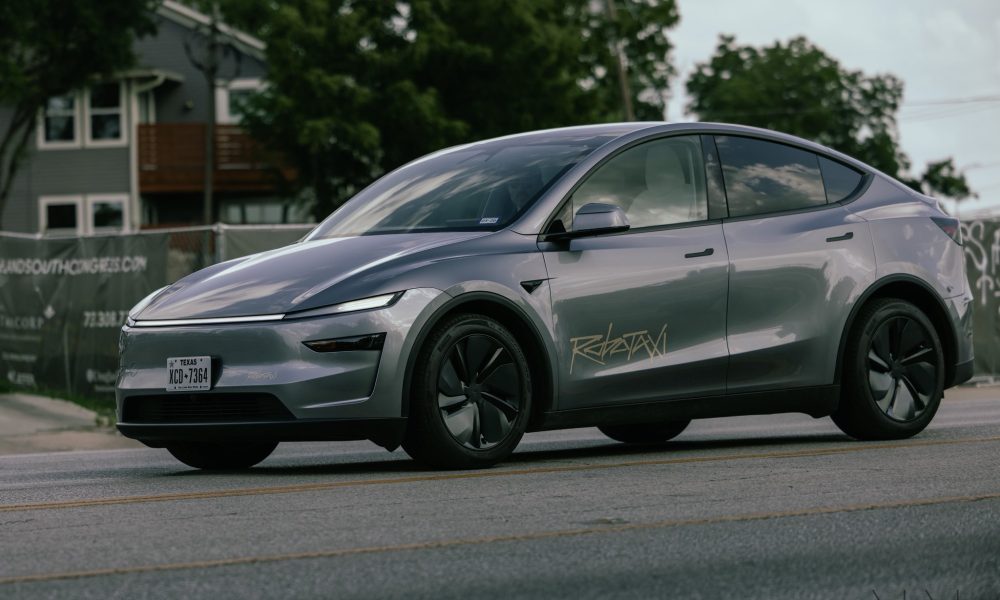
Tesla CEO Elon Musk has indicated a significant acceleration in the company’s autonomous vehicle strategy, suggesting that customer-owned vehicles could begin trials within its Robotaxi platform as soon as December 2026. This pronouncement, made on social media, signals a potentially swift expansion of Tesla’s ambitions in the self-driving ride-hailing sector.
The revelation emerged from a direct exchange on X (formerly Twitter), where Musk responded to an Austin-based Uber driver. The driver, who operates a Model Y equipped with Full Self-Driving (FSD) technology, highlighted the challenge of retaining only 49-63% of fares after the ride-share platform’s commission. Musk’s reply directly addressed the appeal of autonomous passive income.
Elon Musk’s Bold Claim Signals Early Trials
In his succinct but impactful post, Musk articulated a clear vision:
“Coming soon. If things well, may start trials next month. Much better to manage a fleet of cars than have to drive just one car by yourself!”
This statement, dated November 16, 2026, directly points to December as a pivotal month for Tesla’s Robotaxi initiative. It underscores the company’s long-held goal of enabling vehicle owners to generate revenue from their cars autonomously.
The CEO’s comments underscore a strategic pivot towards leveraging the existing fleet of FSD-capable vehicles. For owners, the prospect of their car generating income autonomously, rather than sitting idle, represents a fundamental shift in vehicle utility and ownership economics. This model could potentially offer a more substantial financial return compared to traditional ride-sharing platforms, where drivers contend with significant commission deductions.
Accelerated Timeline Challenges Previous Projections
Musk’s latest timeline is notably earlier than what the company had previously suggested. During Tesla’s Q3 earnings call, the AI leadership team had indicated that customer vehicles would likely join the autonomous network around the second quarter of 2027. The proposed December 2026 start represents a significant advancement of these projections.
Such an accelerated pilot program is most likely to commence in Austin, Texas. Tesla’s Robotaxi service has been operating longest in the city, serving as a primary testbed for new features and expansions. Austin offers a controlled environment for initial trials, allowing Tesla to fine-tune its systems and address operational challenges before a broader rollout.
The Dual Trajectory: Customer Teslas and Purpose-Built Cybercabs
Interestingly, the ambitious December timeline for customer-owned Robotaxi trials coincides with another major milestone for Tesla: the first customer deliveries of the Tesla Cybercab. This purpose-built autonomous vehicle, characterized by its lack of manual controls, is also slated for a December debut.
In mid-November, Tesla extended invitations to select buyers to purchase the two-seat Cybercab for personal use. Priced at $29,990, it requires an additional $299 monthly Autonomy Subscription. These initial deliveries are expected within Austin’s existing Robotaxi zones. However, it is important to note that these private Cybercabs are currently restricted to personal use and do not automatically include participation in the commercial Robotaxi network.
Cybercab’s Role in the Autonomous Ecosystem
The Cybercab, designed from the ground up for autonomous operation, represents Tesla’s long-term vision for dedicated Robotaxi fleets. The vast majority of these vehicles are anticipated to remain Tesla-owned fleet assets, deployed strategically to maximize operational efficiency and service coverage.
The simultaneous pursuit of integrating customer-owned Model Ys with FSD hardware and delivering dedicated Cybercabs highlights Tesla’s multi-pronged approach to scaling its autonomous ride-hailing platform. Customer vehicles offer a rapid way to expand the fleet for unsupervised trials, while the Cybercab provides a purpose-built, optimized platform for the future.
Navigating the Path: Technical and Regulatory Hurdles
Musk’s qualifying phrase, “If things go well,” underscores the inherent complexities and potential challenges facing this ambitious rollout. Several critical factors must align for successful implementation of customer-owned Robotaxis.
One significant aspect is hardware compatibility. While many Model Ys are equipped with FSD hardware, company-owned Robotaxis may feature additional components, such as extra cameras or advanced cleaning systems, designed for the rigors of commercial autonomous operation. These hardware differences could constrain the initial eligibility of customer Model Ys.
Regulatory and Insurance Frameworks
Beyond technical readiness, regulatory approvals remain a crucial hurdle. Autonomous vehicles operating commercially require specific legal frameworks, which vary by jurisdiction. Tesla will need to secure necessary permits and adhere to evolving regulations governing self-driving technology and ride-hailing services. The interaction between federal, state, and local regulations will be vital.
Insurance arrangements also present a complex challenge. New models for commercial autonomous vehicle insurance will need to be established to cover potential liabilities associated with driverless operations. Software readiness, encompassing the robust performance and safety validation of the FSD system, will be paramount in meeting both regulatory standards and public trust.
Fulfilling a Long-Held Vision of Passive Income
For Tesla owners, successful trials would mark the realization of a vision Elon Musk first articulated in the company’s 2016 Master Plan, Part Two. This blueprint envisioned a future where personal vehicles could earn money for their owners while they are at work or asleep, transforming the economics of car ownership. This ‘passive income’ model has been a cornerstone of Tesla’s long-term strategy for FSD technology.
The integration of customer vehicles into the Robotaxi network represents a pivotal step towards democratizing access to autonomous income generation. It could create a new economic paradigm for car owners, shifting a significant liability into a potential asset. This could also drive further adoption of FSD subscriptions, as the financial incentive for owners becomes more tangible.
The Broader Implications for Urban Mobility
December 2026, with the confluence of potential customer Robotaxi trials and private Cybercab deliveries, could signify a profound shift for Tesla. It marks a potential transition from a fully Tesla-controlled Robotaxi operation to a more expansive ecosystem. In this future, both dedicated company fleets and a growing network of customer-owned vehicles would contribute to Tesla’s autonomous ride-hailing platform.
This expansion has the potential to reshape urban mobility, offering a scalable solution for on-demand transportation. It could significantly impact traditional ride-hailing services by introducing a fully autonomous, potentially more cost-effective alternative. As the autonomous vehicle industry matures, Tesla’s strategy of leveraging its widespread customer base and existing FSD technology positions it uniquely in the evolving landscape of self-driving transportation.
The coming months will be crucial in determining whether Tesla can navigate the remaining technical and regulatory challenges. Should the December trials proceed as Musk suggests, it would not only validate years of development in artificial intelligence and autonomous driving but also pave the way for a revolutionary new model of vehicle ownership and urban transport.
FAQ Section
What is the core of Elon Musk’s latest Robotaxi claim?
Elon Musk claims Tesla could begin testing the integration of customer-owned vehicles into its Robotaxi fleet as early as December 2026. This would allow owners of Full Self-Driving (FSD) enabled Teslas to generate passive income by having their cars operate autonomously as ride-hailing vehicles.
How does this new timeline compare to previous guidance?
The December 2026 timeline is significantly earlier than previous company guidance, which suggested that customer vehicles would join the autonomous network around the second quarter of 2027. This represents an acceleration of several months in Tesla’s Robotaxi deployment strategy.
What is the significance of the Cybercab in this plan?
The Cybercab is Tesla’s purpose-built autonomous vehicle, designed without manual controls for dedicated Robotaxi operations. Its first customer deliveries are also projected for December 2026, coinciding with the potential customer-owned vehicle trials, underscoring Tesla’s dual strategy for scaling its autonomous fleet.
What challenges must Tesla overcome for these trials?
Key challenges include hardware compatibility (as company-owned Robotaxis may have additional features), securing necessary regulatory approvals for commercial autonomous operations, establishing new insurance frameworks, and ensuring the absolute readiness and safety validation of the Full Self-Driving software.
How could this impact Tesla vehicle owners?
If successful, this initiative could fulfill Elon Musk’s long-held vision of enabling Tesla owners to earn passive income from their vehicles. Cars could operate as Robotaxis while owners are not using them, transforming a depreciating asset into a revenue-generating one and potentially altering the economics of car ownership.
Why is Austin likely the starting point for these trials?
Austin, Texas, is expected to be the initial testing ground for these trials because Tesla’s Robotaxi service has operated longest there. It serves as a primary hub for rolling out new autonomous features and services, providing a controlled and established environment for initial pilot programs.
What is the broader vision behind Tesla’s Robotaxi initiative?
The broader vision is to create a comprehensive autonomous ride-hailing ecosystem where both Tesla’s dedicated Cybercab fleet and FSD-equipped customer vehicles contribute. This aims to provide scalable, on-demand urban mobility, potentially disrupting traditional ride-sharing markets and making autonomous transportation widely accessible.