
Key Takeaways
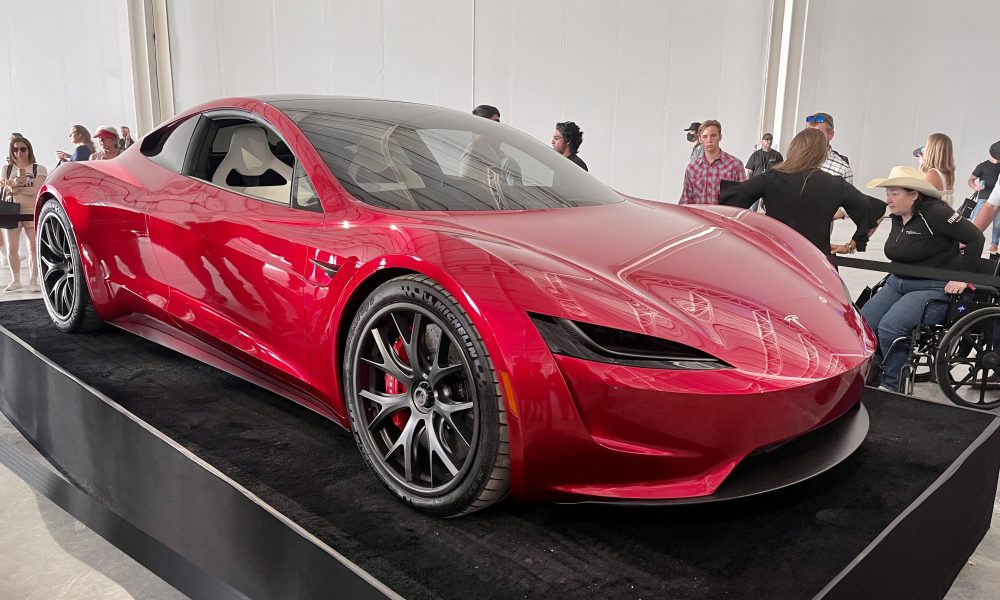
Tesla has quietly filed a new trademark application for its next-generation Roadster, offering the first official look at fresh branding for the long-anticipated electric supercar. The filing, dated February 3, 2026, includes an inverted triangular badge, a sleek wordmark, and a minimalist silhouette. While this Tesla Roadster update provides insight into its visual identity, it falls short of the production and specification updates that enthusiasts have been eagerly awaiting for nearly a decade since its 2017 reveal. This development signals Tesla’s continued investment in the Roadster’s brand, despite ongoing delays in its market debut.
A Decade of Anticipation for the Next-Generation Roadster
The journey of the next-generation Tesla Roadster began with significant fanfare when Elon Musk unveiled the concept in 2017. Promising groundbreaking performance metrics, including sub-two-second 0-60 mph acceleration and even optional SpaceX cold-gas thrusters for unprecedented thrust, the vehicle was immediately hailed as a potential game-changer in the electric supercar segment. It was positioned not just as a successor to Tesla’s original vehicle but as a definitive statement on the capabilities of electric propulsion.

However, the road to production has been marked by a series of delays. Initial targets for its market debut were set for 2020, then pushed to 2021, and subsequently deferred further. In the intervening years, Tesla successfully launched and scaled other major projects, including the mass-market Model Y SUV, the revolutionary Cybertruck pickup, and the heavy-duty Semi truck, alongside significant advancements in its autonomous driving technologies. This intense focus on other high-volume and commercial ventures meant the Roadster, Tesla’s halo car, often took a backseat.
Unveiling the New Roadster Trademark: A Closer Look
The recent trademark application provides the first tangible Tesla Roadster update regarding its branding and visual identity. Filed on February 3, 2026, the application outlines a trio of new marks, signaling a formal step in preparing the vehicle for its eventual launch. These filings are critical in protecting intellectual property and establishing a distinct brand presence in the highly competitive luxury electric vehicle market.
Central to the new branding is an inverted triangular badge. This distinctive emblem features the word “ROADSTER” prominently centered above four vertical lines. According to the official application, these lines are intended to represent key attributes intrinsically linked to the vehicle’s essence: “speed, propulsion, heat, or wind.” This design language aims to evoke the raw power, dynamic performance, and aerodynamic efficiency expected from a top-tier electric supercar.

Complementing the badge, the trademark also includes a sleek, angular wordmark for “ROADSTER,” designed to convey modernity and high-tech sophistication. The third element is a minimalist curved-line silhouette. This subtle yet evocative graphic subtly hints at the car’s aerodynamic shape, echoing its design philosophy of marrying extreme performance with elegant, flowing lines.
I found something cool. Tesla has filed a new trademark application for its next-generation Roadster. It could be the new Roadster logo/badge.
The filing says the lines depict speed, propulsion, heat or wind.
(I took the liberty of making the logo red. Trademark filings are… pic.twitter.com/W9JSDwTRL7
— Sawyer Merritt (@SawyerMerritt) May 6, 2026
Fan Reactions and the Bittersweet Nature of the Update
For a dedicated fanbase that has waited nearly a decade, this Tesla Roadster update carries a bittersweet note. While any official movement on the Roadster program is welcomed, the absence of concrete details on production timelines or finalized specifications continues to fuel frustration among enthusiasts. Many have grown weary of conceptual renderings and speculative reports, particularly as other automotive marques have successfully launched and iterated their own high-performance electric sports cars in the interim.
The protracted waiting period, coupled with Tesla’s focus on other vehicle lines, has led to understandable disappointment. Longtime supporters, who initially invested deposits and eagerly followed every whisper about the Roadster’s progress, naturally hoped for a more substantial announcement regarding the vehicle’s availability. This trademark filing, while a positive indicator of continued brand development, doesn’t address the primary concern: when the next-generation Roadster will finally hit the streets.
The Roadster’s Enduring Vision and Strategic Importance
Despite the delays and the quiet nature of this recent trademark filing, the Roadster program continues to generate genuine excitement. It represents the purest and most extreme expression of Tesla’s foundational mission: to “accelerate the world’s transition to sustainable energy.” By pushing the boundaries of electric vehicle performance, the Roadster aims to unequivocally prove that EVs can not only match but fundamentally outperform anything powered by an internal combustion engine.
The new branding, though seemingly a modest step, is strategically significant. It serves as a visual affirmation to both existing owners and prospective buyers that Tesla has not abandoned the groundbreaking project that, in many ways, embodies the spirit of innovation the company was built upon. Investment in and protection of the Roadster’s intellectual property, especially its visual identity, confirms a sustained commitment to the project, keeping its promise alive.
In an industry where many ambitious concepts never transition beyond the drawing board or prototype stages, the fact that Tesla continues to invest in the Roadster’s identity is a reason for measured optimism. This latest Tesla Roadster update, while not a launch announcement, solidifies the brand’s future visual presence. When the next-generation Roadster eventually arrives, this newly protected badge will adorn a vehicle expected to be among the most exciting and technologically advanced cars ever built.
The Road Ahead: Building Trust Through Incremental Progress
Tesla’s approach with the Roadster demonstrates a broader strategy of meticulous development, even if it translates to longer waiting periods for consumers. The focus on securing its brand identity through trademark filings indicates a mature phase of product development, where the intangible assets like brand perception and recognition are being meticulously crafted alongside the vehicle’s engineering.
For those who have followed the Roadster’s journey from its initial reveal, the path has certainly tested patience. However, each official step, no matter how small, reinforces the idea that the project is alive and progressing. This focus on long-term vision, ensuring every aspect from performance to brand recognition is meticulously handled, is a hallmark of Tesla’s engineering and market strategy, even as it navigates the complexities of developing a truly revolutionary electric supercar.
Frequently Asked Questions (FAQ)
What is the latest news on the Tesla Roadster?
Tesla recently filed a new trademark application for its next-generation Roadster. This update includes new branding elements like an inverted triangular badge, a sleek wordmark, and a minimalist silhouette. While it confirms Tesla’s ongoing brand development for the vehicle, it does not provide updates on production timelines or finalized specifications, which many fans are eagerly awaiting.
When was the next-generation Tesla Roadster first unveiled?
The next-generation Tesla Roadster was first unveiled by Elon Musk in 2017. At its reveal, the concept promised revolutionary performance figures, including acceleration from 0 to 60 mph in under two seconds, setting new benchmarks for electric supercars. This initial announcement generated immense excitement and anticipation among automotive enthusiasts.
What does the new Roadster trademark design signify?
The new trademark design features an inverted triangular badge with “ROADSTER” and four vertical lines. According to the trademark application, these lines are intended to symbolize “speed, propulsion, heat, or wind,” reflecting the vehicle’s high-performance capabilities and aerodynamic nature. The overall branding aims to convey a sense of modern, high-tech, and dynamic identity.
Why have there been delays in the Tesla Roadster’s production?
Production of the Tesla Roadster has experienced several delays since its initial projected launch dates of 2020 and 2021. During this period, Tesla prioritized the development and scaling of other major vehicles like the Model Y, Cybertruck, and Semi, along with advancements in autonomy. These extensive projects likely led to the Roadster taking a backseat in the company’s immediate production schedule.
Will the new Roadster still feature SpaceX thrusters?
The original unveiling of the next-generation Roadster in 2017 included ambitious promises of optional SpaceX cold-gas thrusters for enhanced thrust. While the recent trademark filing did not provide updates on vehicle specifications, this feature remains a part of the highly anticipated performance package that Tesla has previously communicated, maintaining the vehicle’s futuristic appeal.
What is the significance of a trademark filing for a vehicle like the Roadster?
A trademark filing for the Roadster is a crucial step in formalizing its brand identity and protecting Tesla’s intellectual property. It signifies that the company is moving forward with the project’s commercial aspects, securing its visual and textual branding elements. While not a production update, it indicates continued investment in the Roadster’s development and market presence.
How does the Roadster fit into Tesla’s overall mission?
The Roadster is considered the purest expression of Tesla’s mission to “accelerate the world’s transition to sustainable energy.” As a high-performance electric supercar, it aims to demonstrate the extreme capabilities and superiority of electric vehicles over traditional combustion-engine cars, pushing performance boundaries and challenging conventional automotive perceptions to drive broader EV adoption.