
Key Takeaways
- A recent Reuters report reveals significant internal skepticism among former Tesla employees regarding the safety and capabilities of the company’s Full Self-Driving (FSD) system.
- Employees involved in training data labeling expressed a lack of trust in FSD, with one stating they wouldn’t use it even “if you fucking paid me.”
- Critics allege Tesla has strategically presented FSD’s safety data, potentially using incomplete or incomparable metrics to shape public perception.
- Despite ongoing debates surrounding autonomous driving, the broader electric vehicle landscape shows steady progress, particularly in the expansion and reliability of public fast-charging networks across the United States.
- Companies like Rivian, Electrify America, and Walmart are significantly investing in fast-charging infrastructure, enhancing the practicality of EV ownership.
The pursuit of fully autonomous driving technology by Tesla, spearheaded by CEO Elon Musk, continues to face considerable challenges and mounting scrutiny. For nearly a decade, Musk has consistently promised that Tesla’s Full Self-Driving (FSD) system would soon achieve complete autonomy. However, this promise remains unfulfilled, marked by fatal crashes, significant lawsuit judgments totaling hundreds of millions of dollars, and the expiration of numerous vehicle leases without the promised technology being delivered.
Recent disclosures from a comprehensive report by *Reuters* have provided an unprecedented look into the internal sentiments of former Tesla employees, shedding light on the perceived shortcomings and long road ahead for true autonomous capabilities. These insights highlight a critical divergence between public marketing and the realities faced by those developing the technology.
Examining Tesla’s Full Self-Driving Ambitions
Decades of Promises, Mounting Concerns
Tesla’s Full Self-Driving (FSD) system, currently offered as FSD (Supervised), is an advanced driver-assistance system that, while impressive in its capabilities, is explicitly not a fully autonomous solution. Drivers are required to remain attentive and prepared to take control at all times, a distinction often blurred in public discourse and by ambitious pronouncements.
The protracted development cycle and the gap between aspirational timelines and actual deployment have fueled skepticism among industry observers and consumers alike. The continuous evolution of FSD software iterations occurs against a backdrop of increasing regulatory interest and public safety discussions, especially following incidents involving vehicles operating under various levels of driver assistance.
Internal Skepticism Revealed by Reuters
A recent investigation by *Reuters* brought to light candid perspectives from former Tesla employees who were directly involved in labeling training data for the company’s autonomous driving efforts. These individuals played a crucial role in preparing the vast datasets essential for machine learning algorithms that power FSD.
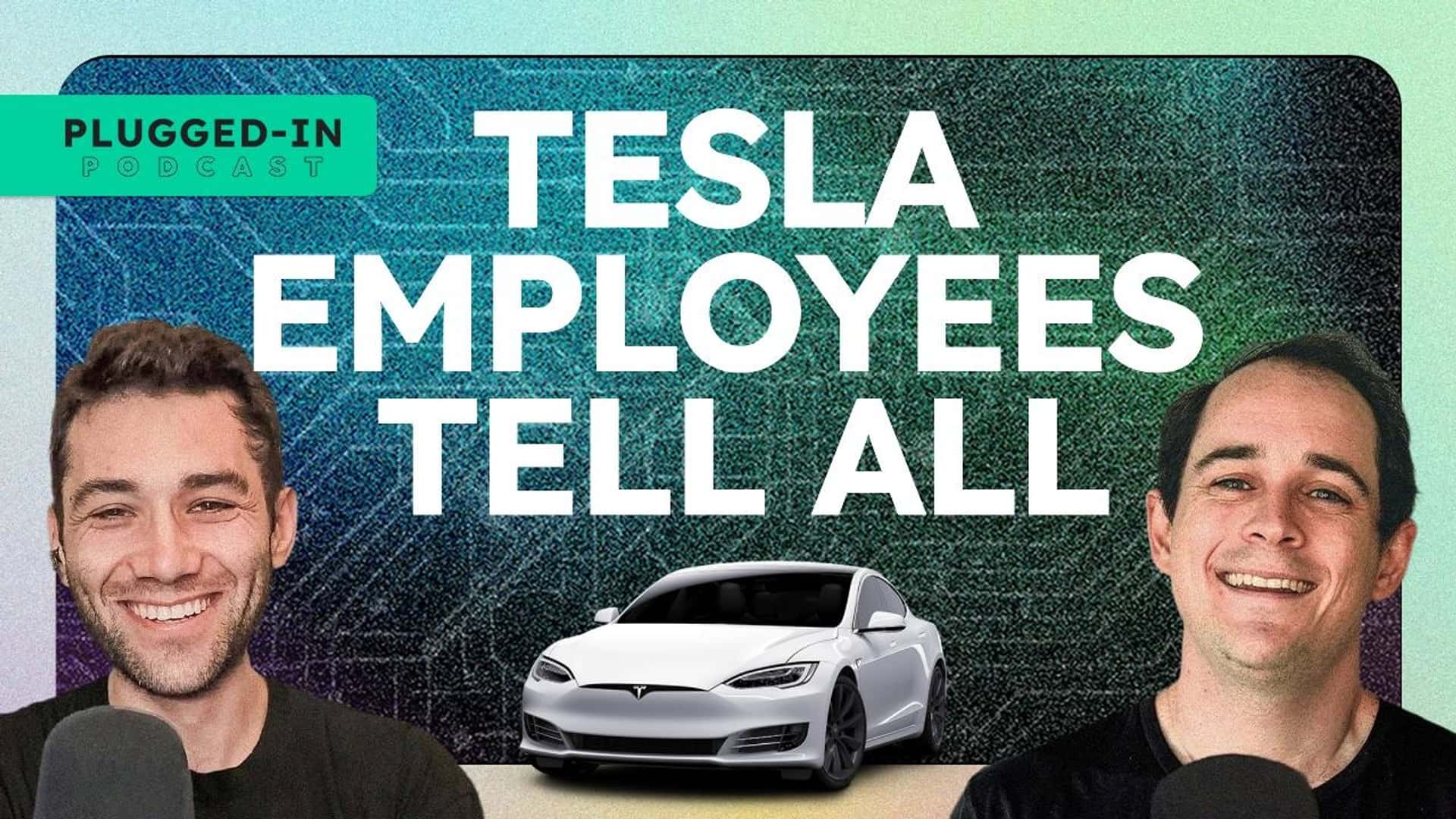
Seven of these former employees unequivocally stated they would not trust the FSD software to navigate them. One former employee conveyed their profound distrust, remarking that they wouldn’t get into a car piloted by FSD “if you fucking paid me.” Such statements from individuals intimately familiar with the system’s development offer a stark counterpoint to the company’s public narrative.
Data Integrity and Narrative Control
The *Reuters* report further detailed allegations that Tesla has, at times, strategically presented its FSD narrative. This includes claims of massaging data, portraying the system as safer than internal assessments might suggest, by allegedly using incomplete or incomparable data points. This practice, critics argue, could obscure less flattering performance metrics, even when more comprehensive data was available internally.
The integrity of data used to validate and improve autonomous driving systems is paramount. Any perceived manipulation or selective presentation of data raises significant questions about transparency and trustworthiness in a technology designed to operate with minimal human intervention. This issue has become a focal point for regulatory bodies and consumer advocates.
The Broader EV Landscape: Charging Infrastructure on the Rise
Expanding Fast-Charging Networks
While the complexities of autonomous driving continue to unfold, the broader electric vehicle (EV) industry is making consistent, albeit often less visible, strides in other critical areas. Significant improvements are being observed in America’s fast-charging network, a crucial component for widespread EV adoption.
Major players in the automotive and energy sectors are investing heavily to expand and enhance charging accessibility. Rivian, for instance, announced a substantial milestone, now boasting over 1,000 DC fast chargers strategically deployed across 148 Rivian Adventure Network charging stations. Companies like Electrify America and retail giants such as Walmart are also contributing to this push, aiming to make EV charging more convenient and reliable for consumers nationwide.
Dispelling Misconceptions About Charging Reliability
Public sentiment regarding the reliability of the fast-charging network often lags behind the actual improvements on the ground. Many individuals who infrequently review EVs or follow the automotive market without personal EV ownership experience tend to express concerns about charger availability and functionality.
However, recent experiences by frequent EV users suggest a notable shift. For example, an EV owner relying on public fast chargers, even with limited home charging options, reports encountering very few issues over the past two years, with perhaps only one broken stall at a station. This indicates that established charging networks are increasingly dependable.
Personal Experiences and Industry Progress
The perception gap is particularly evident for those who regularly travel with EVs. While geographical factors, such as living in a region with high EV adoption like California, might offer a more robust charging experience, even excursions into areas like the Midwest now reveal improved charging infrastructure with minimal headaches. The growing accessibility of Tesla Superchargers to most non-Tesla EVs further enhances overall network reliability and reduces range anxiety for many drivers.
Rare incidents, such as a 24-hour period where a nationwide CrowdStrike outage temporarily prevented charging for a specific vehicle at a Supercharger, are comparable to sporadic issues encountered at traditional gasoline stations. With continuous refinement of payment systems and further build-out of infrastructure, EV charging is rapidly approaching the convenience and reliability of conventional fueling stations. This progress is particularly significant given that approximately 86% of all EV charging typically occurs at home, alleviating some of the pressure on public networks.
Beyond Autonomy: The Ferrari Luce and EV Design Debates
Decoding the Ferrari Luce’s Impact
Beyond the debates around autonomy and charging infrastructure, the electric vehicle landscape also sparks conversations on design and brand identity, particularly as iconic manufacturers venture into electrification. The unveiling of vehicles like the Ferrari Luce has generated considerable discourse among automotive enthusiasts and critics.
Initial reactions and comparisons, sometimes unflattering, have been part of the broader discussion. However, an in-person assessment by an industry expert suggests that perceptions based solely on initial images or conceptual comparisons, such as likening the Luce to a “simulacra of a Nissan Leaf,” might not fully capture the vehicle’s actual presence and design intent when viewed firsthand.
The Road Ahead for Electric Vehicles
The electric vehicle industry is currently navigating a complex period marked by both significant technological aspirations and practical advancements. While high-profile challenges, such as those facing Tesla’s Full Self-Driving program, capture headlines and underscore the difficulty of achieving true autonomy, steady and substantial progress is being made in less visible, but equally crucial, areas like charging infrastructure.
These dual narratives of ambitious innovation and pragmatic infrastructure development collectively shape the future of transportation. Even amidst a year that might, in some public narratives, suggest a deceleration in the EV sector, continuous, quiet progress is incrementally enhancing the feasibility and appeal of electric mobility for a growing global consumer base.
FAQ Section
What is Tesla Full Self-Driving (FSD)?
Tesla Full Self-Driving (FSD) is an advanced driver-assistance system designed to navigate, change lanes, and park automatically under human supervision. Despite its name, it is not a fully autonomous system; drivers are required to remain attentive and ready to intervene at all times. It represents a Level 2 automation system, requiring constant driver engagement.
Why are former Tesla employees skeptical about FSD?
According to a Reuters report, former Tesla employees who worked on labeling training data for FSD expressed significant distrust in the system’s ability to drive autonomously. Their skepticism stems from their firsthand knowledge of the software’s development and limitations, indicating a gap between the public perception and the internal realities of FSD’s capabilities.
Has Tesla faced legal issues or accidents related to FSD?
Yes, Tesla has been involved in several fatal crashes and has paid out hundreds of millions of dollars in lawsuit judgments related to incidents involving vehicles operating with FSD or other driver-assistance features. These cases highlight ongoing debates about responsibility and the safety parameters of advanced driver-assistance systems.
How is the fast-charging network for EVs improving in America?
The fast-charging network in America is rapidly expanding and becoming more reliable. Companies like Rivian have established extensive networks, with over 1,000 DC fast chargers across numerous stations. Other players such as Electrify America and Walmart are also investing significantly, and many non-Tesla EVs can now access Tesla Superchargers, greatly enhancing overall accessibility.
Is public sentiment about EV charging reliability accurate?
Public sentiment often lags behind the current reality. While concerns about charger reliability were valid in the past, frequent EV users report significant improvements, with rare instances of broken stalls. This suggests that the network is maturing, and the reliability of major charging providers is approaching that of traditional gasoline stations, though some regional disparities may persist.
What percentage of EV charging occurs at home?
Approximately 86% of all electric vehicle charging typically occurs at home. This high percentage reduces the overall dependency on public charging infrastructure for daily use, allowing drivers to start each day with a full charge. Public fast chargers are primarily used for longer journeys or when home charging is not feasible.
What is the significance of the Ferrari Luce?
The Ferrari Luce represents the iconic brand’s entry into the electric vehicle market, sparking considerable discussion about design and performance expectations for luxury EVs. Expert assessments suggest that initial critical comparisons might not fully capture the vehicle’s unique attributes and aesthetic when experienced in person, highlighting the challenges of transitioning classic brands to electric platforms.