
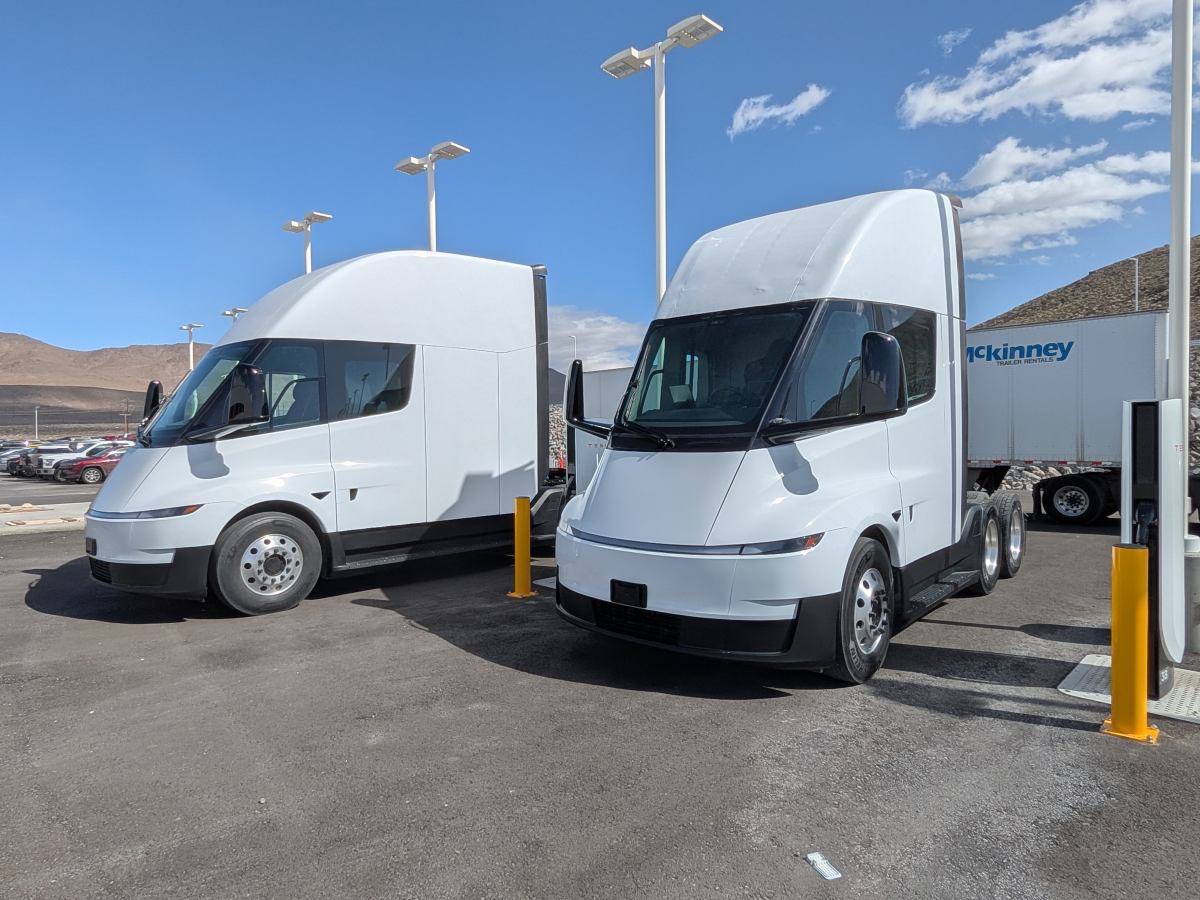
The much-anticipated Tesla Semi electric truck is on the cusp of mass production, with its dedicated factory reportedly nearing completion. Images emerging from the construction site suggest a significant milestone has been reached in the decade-long journey of Tesla’s ambitious venture into the heavy-duty electric vehicle sector.
Factory Progress Signals Imminent Production Ramp-Up
An update shared via the official Tesla Semi account on X, formerly Twitter, stated, “Semi Factory nearing completion.” This announcement was in response to visual evidence posted by user Ashlee V, who shared photographs from inside the factory. The images also featured two of the latest Tesla Semi truck designs parked outside, alongside dedicated Semi charging stations.

Semi Factory nearing completion https://t.co/ZVZ92gghCx
— Tesla Semi (@tesla_semi) March 5, 2026
The facility is designed with a substantial annual production capacity, aiming to produce up to 50,000 Semi trucks per year. This projected output represents a considerable increase from the limited pilot production and customer trials that have been conducted over the past few years. During this trial period, the Tesla Semi has been observed in operation with prominent companies, including retail giant Walmart and warehouse club operator Costco.

Global Logistics and Phased Rollout
Tesla’s strategic objective is to integrate the mass-produced Semi into the global heavy freight and logistics industry. The initial deliveries of the Tesla Semi in the United States commenced in 2022, with PepsiCo being among the first large-scale customers participating in a trial program.
Following the initial trial, PepsiCo reported in 2024 that it had received additional Tesla Semis, effectively doubling its fleet to 50 units. These electric trucks are operating out of PepsiCo’s manufacturing and distribution facility located in California. This early adoption by a major logistics player underscores the potential impact of electric trucks on reducing operational emissions within the supply chain.
Technological Advancements in the Updated Tesla Semi
In 2025, Tesla unveiled an updated version of the Semi, incorporating several significant upgrades aimed at enhancing performance and efficiency. These enhancements include improvements to the truck’s range and charging capabilities, as well as refined aerodynamics for better energy efficiency. The updated model also boasts an increased payload capacity.
The latest specifications indicate that the Tesla Semi can now achieve a range exceeding 800 kilometers (approximately 500 miles) on a single charge. Its drivetrain is capable of 800 kW, with an energy consumption rate as low as 1.06 kWh per kilometer. These figures have been corroborated by real-world trials conducted by global logistics leader DHL in the United States, which reported similar energy consumption metrics.
Ultra-Fast Charging and Autonomous Capabilities
For charging infrastructure, the Tesla Semi will support 1.2 MW ultra-fast charging, utilizing Tesla’s specialized Semi supercharging hardware to achieve these rapid charging speeds. This capability is crucial for minimizing downtime and maximizing operational efficiency for long-haul trucking.
Furthermore, Tesla has indicated that the current iteration of the Semi is engineered for autonomous operations, aligning with the company’s broader vision for zero-emission, long-distance trucking. This suggests the integration of Tesla’s proprietary full-self-driving (FSD) technology, which has also been showcased in its Robotaxi initiatives and the upcoming Cybercab.
The integration of advanced autonomous features is expected to provide significant benefits to logistics and freight operators, such as DHL and PepsiCo. By potentially reducing driver stress and fatigue through automated driving capabilities, the Semi could enhance safety and operational reliability in demanding trucking environments.
Future Outlook for Electric Heavy-Duty Transport
The impending mass production of the Tesla Semi at its Nevada facility is anticipated to be a pivotal moment for the decarbonization of the transportation sector. As the factory moves towards full operational capacity, further updates on production volumes and customer deployments are expected in the coming months. The success of the Tesla Semi could significantly influence the broader adoption of electric vehicles in the critical heavy-duty freight segment, contributing to a substantial reduction in transport-related emissions.