
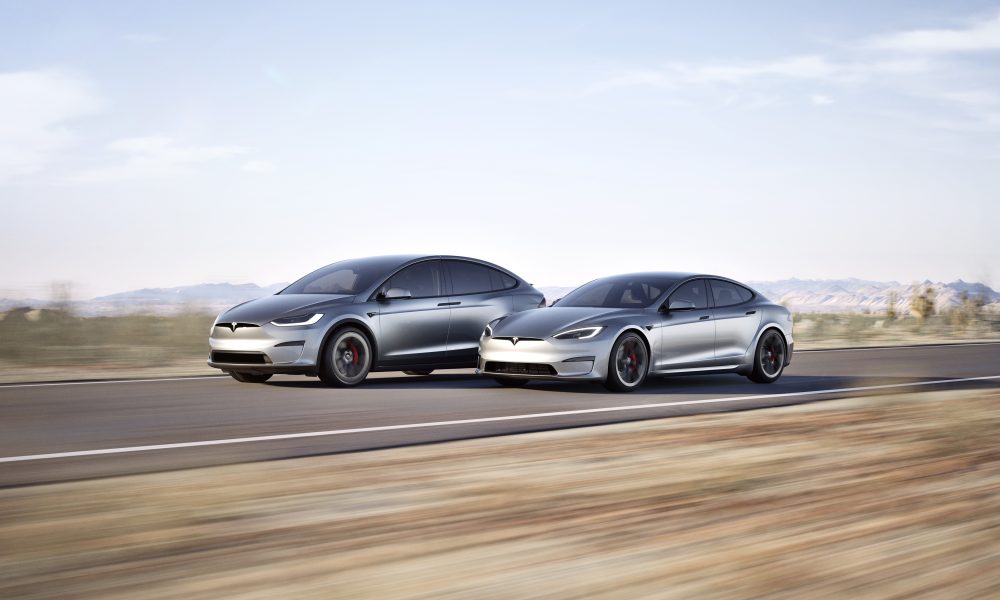
In a significant development for the global electric vehicle market, Tesla has officially commenced the process of phasing out its venerable Model S sedan and Model X SUV. The company’s South Korean division has announced a definitive cutoff date of March 31, 2026, for new orders of both models, marking the first firm global deadline set by the automaker for these premium electric vehicles.
This move signals a pivotal moment for Tesla, as it prepares to conclude the production of the two models that were instrumental in establishing its reputation as an innovator and a dominant force in the automotive industry. After the specified date, only existing inventory of the Tesla Model S and Model X will be available for purchase in South Korea, underscoring the impending shift in the company’s manufacturing strategy.

A Historical Legacy: The Pioneers of Tesla’s Ascent
The decision to discontinue the Tesla Model S and Model X brings an end to a remarkable era. These vehicles were not merely products; they were foundational pillars that demonstrated Tesla’s engineering prowess and its ability to disrupt a century-old industry. The Model S, first introduced in 2012, redefined expectations for electric vehicles, proving they could offer performance, range, and luxury on par with, or even exceeding, traditional combustion-engine cars.
Following its success, the Model X, launched with distinctive Falcon Wing doors, further pushed boundaries, establishing new standards for family-oriented electric SUVs. Together, these models garnered critical acclaim and a loyal following, cementing Tesla’s status as a leader in electric mobility and paving the way for wider EV adoption globally. Their contributions have been immense, setting a high bar for innovation and challenging established automakers to accelerate their own electric transitions.
Strategic Pivot Towards Robotics and High-Volume Production
The phasing out of the Tesla Model S and Model X aligns with CEO Elon Musk’s long-term vision for the company’s future. During the Q4 2025 earnings call in January, Musk acknowledged the profound impact of these vehicles, stating they deserved an “honorable discharge” for their contributions. This sentiment underscores a strategic decision driven by an evolving corporate focus rather than a complete dismissal of their legacy.

A primary catalyst for this shift is the ambitious plan to repurpose existing manufacturing lines for the high-volume production of the Optimus humanoid robot. Tesla is targeting an astonishing production rate of up to one million Optimus units annually, a testament to its commitment to artificial intelligence and robotics as core future endeavors. This strategic reallocation of manufacturing resources highlights Tesla’s pivot towards becoming a multifaceted technology company, extending beyond its traditional automotive roots.
Navigating Evolving Market Dynamics
The decision to wind down production of the Tesla Model S and Model X also reflects changing market realities. Sales of these premium models have experienced a sharp decline in recent years. Despite the introduction of high-performance Plaid configurations, designed to appeal to enthusiasts with blistering acceleration, the company has faced increasing challenges in moving these units.
In 2025, the Model S and Model X combined accounted for approximately 3 percent of Tesla’s global deliveries. This figure represents a significant drop from previous periods, illustrating a shift in consumer preferences. The luxury electric vehicle segment has become increasingly competitive, with new entrants offering compelling alternatives. The Model S, for instance, witnessed sales drops exceeding 50 percent year-over-year in certain quarters, while the Model X faced pressure from rivals such as the Rivian R1S and the BMW iX.
Furthermore, there has been a noticeable market gravitation towards more affordable electric options, notably Tesla’s own Model 3 sedan and Model Y SUV. These models offer a more accessible entry point into electric vehicle ownership, attracting a broader customer base and becoming the primary volume drivers for the company. This broader trend reinforces the business rationale behind re-evaluating the role of the more expensive, lower-volume flagship Tesla Model S and Model X.
A Legacy of Innovation and Performance Endures
Despite their dwindling market volume, the Tesla Model S and Model X continue to stand as technological showcases. The Plaid variants, in particular, exemplify Tesla’s commitment to cutting-edge performance, delivering unparalleled acceleration in their respective segments. Both models also feature advanced Full Self-Driving (FSD) capabilities, showcasing Tesla’s pioneering work in autonomous driving technology.
Beyond performance, these vehicles have consistently offered luxurious interiors and a sophisticated user experience, setting benchmarks for infotainment and connectivity in the automotive world. Their enduring technical specifications mean that even as production ceases, the innovative spirit embedded in their design and engineering will continue to influence future electric vehicle development.
Fremont Operations and Workforce Transition
The phase-out of the Tesla Model S and Model X is a carefully orchestrated move that facilitates Tesla’s broader strategic pivot towards autonomy, robotics, and higher-volume vehicles. The iconic Fremont factory, which currently produces these models, will remain a critical automotive hub for Tesla. Production of the refreshed Model 3 and Model Y will continue at Fremont, ensuring the factory’s sustained operational importance within Tesla’s global manufacturing network.
Crucially, Tesla has communicated that this shift is not anticipated to result in job losses. Instead, the company projects a potential increase in headcount as Optimus robot production ramps up. This suggests a strategic workforce transition, aligning existing talents with new production lines and technologies, thereby maintaining employment stability while advancing the company’s future-oriented initiatives.
The Road Ahead for Tesla
For dedicated Tesla enthusiasts and existing owners, the sunsetting of the Model S and Model X represents a bittersweet moment. These vehicles hold significant sentimental value, having shaped perceptions of electric mobility for over a decade. The Model S, since its 2012 debut, demonstrated the viability and desirability of luxury electric sedans, while the distinctive Model X set new benchmarks for family haulers with its unique design and features.
While new production of the Tesla Model S and Model X will cease, owners can expect continued software support and comprehensive service for many years to come, ensuring the longevity and functionality of their vehicles. Despite calls from some fans to retain the Model X due to its appeal for larger families, Tesla’s unwavering priority is now firmly focused on its future product roadmap. The Optimus robot stands at the forefront of this new chapter, representing the primary strategic imperative driving the conclusion of the Model S and Model X platforms. This forward-looking approach underscores Tesla’s relentless pursuit of innovation and its vision for a future driven by advanced technology and sustainable solutions.