
Key Takeaways:
- Toyota is set to roll out next-generation hybrid batteries starting next year, promising enhanced performance and reduced costs.
- The automaker is on track to achieve a significant milestone, expecting to sell over 5 million hybrid vehicles globally this year for the first time.
- Existing battery production lines in Japan will be converted to manufacture these new high-voltage packs, with capacity for approximately 600,000 vehicles.
- The move reinforces Toyota’s strategic focus on hybrid technology, even as it continues to advance its lithium-ion and solid-state battery development for pure electric vehicles.
- Despite a slight dip in overall sales, Toyota’s electrified vehicle segment, predominantly driven by hybrids, saw a robust 9.1% year-over-year growth in the first half of 2026.
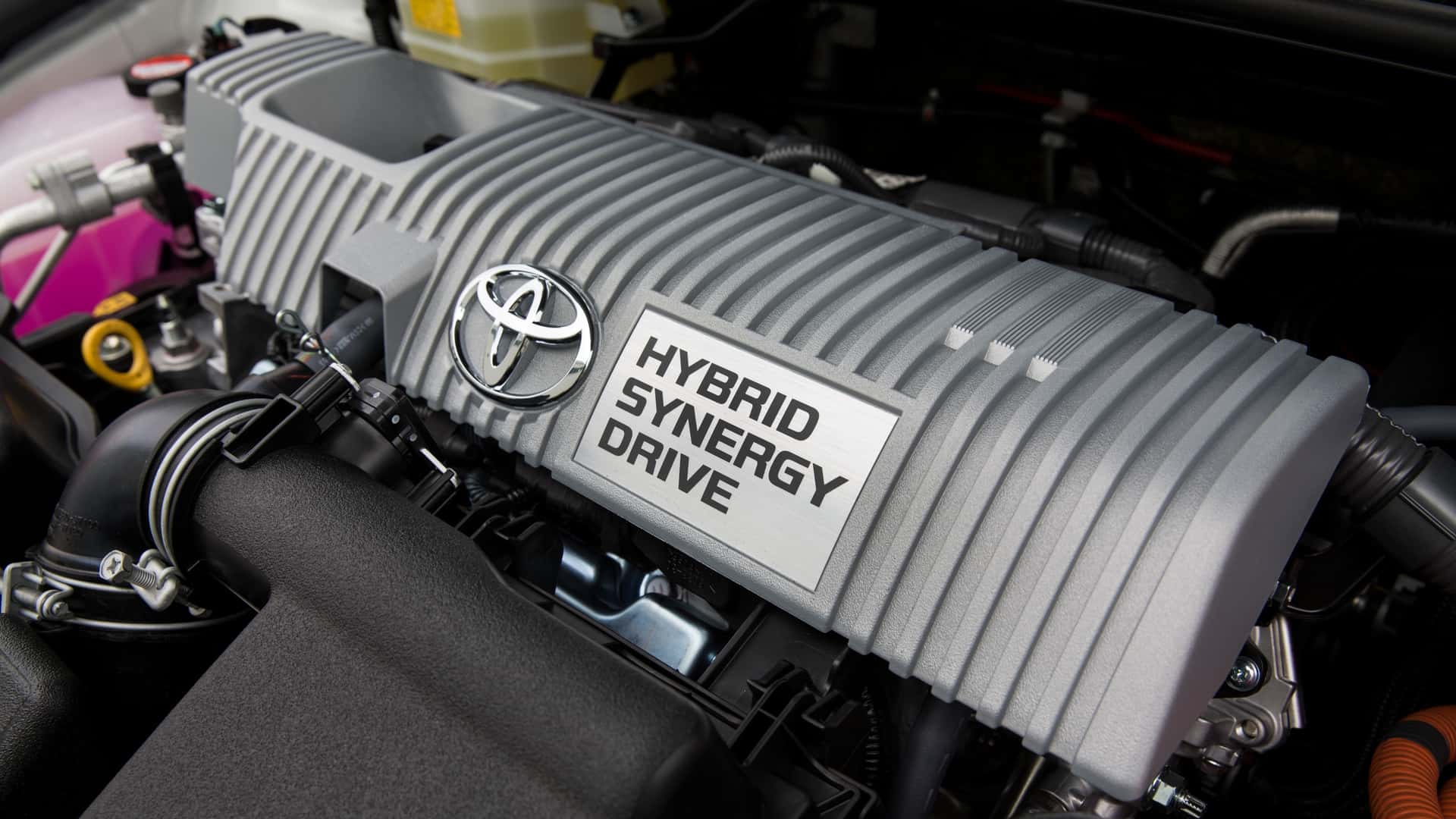
Tokyo, Japan – Toyota Motor Corporation is poised to usher in a new era of electrified mobility, announcing plans to introduce next-generation hybrid batteries from next year. This strategic advancement aims to deliver superior performance while simultaneously lowering production costs, solidifying the automaker’s leadership in hybrid technology.

The announcement, made during a recent earnings call, coincides with Toyota’s projection to exceed 5 million global hybrid sales for the first time this year. This milestone underscores the enduring and growing consumer demand for hybrid vehicles amidst a rapidly evolving automotive landscape.
Boosting Production and Performance
To facilitate the production of these advanced high-voltage hybrid batteries, Toyota will repurpose existing battery manufacturing lines across its facilities in Japan. These lines will be converted to achieve a substantial capacity, capable of supporting the production needs of roughly 600,000 vehicles annually.
This significant investment in manufacturing infrastructure highlights Toyota’s commitment to scaling its hybrid offerings. The company aims to meet escalating market demand by enhancing both the efficiency and accessibility of its electrified models.

Takanori Azuma, Toyota’s chief accounting officer, affirmed the company’s ambitious expansion plans. “We are expanding battery production capacity during 2027 and 2028, and we will continue our efforts to fully capture customer demand,” Azuma stated during the investor call.
While specific details regarding the chemistry of these next-generation hybrid batteries remain undisclosed, industry observers anticipate a significant leap in energy density and cost-effectiveness. This move is expected to further cement the appeal of Toyota’s hybrid vehicles across diverse global markets.
The Evolution of Hybrid Battery Technology
Historically, Toyota’s pioneering hybrid vehicles largely relied on nickel-metal hydride (NiMH) batteries. These batteries gained a reputation for their exceptional reliability and durability over decades of use in models like the ubiquitous Prius.
However, the rapid advancements in lithium-ion (Li-ion) cell technology have progressively shifted the industry standard. Lithium-ion batteries offer superior energy density, lighter weight, and improved charging efficiency, making them increasingly suitable for mass-market hybrid and electric vehicle applications.
Toyota has steadily transitioned towards lithium-ion packs in its newer hybrid models, exemplified by vehicles like the sixth-generation RAV4. The upcoming next-generation hybrid batteries are expected to build upon these improvements, potentially refining existing lithium-ion technology or introducing innovative hybrid battery compositions that further optimize performance, longevity, and manufacturing costs.
Toyota’s Strategic Emphasis on Hybrid Growth
The decision to double down on hybrid battery production is a critical component of Toyota’s broader electrification strategy. Despite a marginal 3% decline in overall global sales—including Toyota and Lexus models—to approximately 5 million vehicles during the January-June period, the company’s electrified lineup has demonstrated remarkable resilience and growth.
Sales of electrified vehicles, which encompass hybrids, plug-in hybrids (PHEVs), battery-electric vehicles (BEVs), and fuel-cell vehicles, surged by 9.1% year-over-year, reaching 2.7 million units in the first half of 2026. This robust performance stands in stark contrast to the slight dip in conventional vehicle sales.
Within this expanding electrified portfolio, hybrids continue to be the predominant driver of growth. Toyota sold approximately 2.3 million hybrid vehicles worldwide during the first six months of the year. This impressive figure accounts for about 86% of the company’s total electrified vehicle sales, underscoring the strong market preference for these efficient powertrains.
The company’s forecast to surpass 5 million global hybrid sales by the end of 2026 signifies an unprecedented level of market penetration for its hybrid models. This growth is fueled by a confluence of factors influencing consumer choices globally.
Market Dynamics Driving Hybrid Adoption
Several key factors are contributing to the sustained surge in hybrid vehicle sales. Globally, elevated fuel prices, partly attributed to geopolitical factors such as the war in Iran impacting oil markets, have intensified consumer focus on fuel efficiency and operating costs. Hybrid vehicles offer a compelling solution, providing better mileage without requiring significant changes in driving habits or charging infrastructure.
In the United States, Toyota’s largest market, shifts in the regulatory and incentive landscape have also played a role. The rollback of federal tax credits for certain electric vehicles and evolving fuel economy norms have somewhat moderated the rapid growth of pure BEVs, while simultaneously spurring greater adoption of hybrids.
Furthermore, Toyota’s proactive product strategy has reinforced the appeal of its hybrid offerings. The automaker has recently made two of its top-selling models, the Camry and RAV4, available exclusively as hybrid variants. This strategic shift reflects confidence in the hybrid market and caters directly to increasing consumer demand for fuel-efficient and environmentally conscious options.
Advancing Battery Technology for Electric Vehicles
Beyond its robust hybrid initiatives, Toyota is also aggressively pursuing advancements in battery technology for its pure battery-electric vehicles. The company reported significant growth in its worldwide BEV sales, with 193,000 units sold in the first half of this year, marking a substantial 135% year-over-year increase.
Toyota has outlined an ambitious roadmap for its next-generation EV batteries. The automaker previously indicated that new lithium-ion batteries, anticipated for introduction in 2027, are projected to offer an impressive range of up to 621 miles (1,000 kilometers) under the optimistic WLTP test cycle. This translates to just over 500 miles under the stricter EPA standard, representing a significant improvement in electric driving range.
Looking further into the future, Toyota is heavily invested in the development of solid-state batteries. These innovative batteries promise revolutionary charging capabilities, with projections indicating a rapid charge from 10% to 80% in less than 10 minutes. Solid-state batteries are tentatively expected to be market-ready between 2027 and 2028, contingent upon achieving critical production breakthroughs.
Enhancing BEV Competitiveness
Despite these forward-looking plans, Toyota executives have openly acknowledged the imperative to enhance the competitiveness of its current BEV offerings. The company faces stiff competition, particularly from cutting-edge electric vehicle models emerging from China, which are rapidly setting new benchmarks in performance, technology, and pricing.
“Going forward, we need to enhance the competitiveness of not only conventional vehicles but also BEVs,” Azuma remarked during the earnings call. He further emphasized the importance of collaboration in achieving this goal: “We intend to work closely with our local partners, including through joint development, to strengthen our competitiveness.” This commitment to partnerships underscores Toyota’s comprehensive approach to navigating the complexities of the global electric vehicle market.
Outlook
Toyota’s dual strategy—fortifying its hybrid dominance while accelerating next-generation battery development for EVs—positions the company for continued relevance and growth in the evolving automotive landscape. By addressing both immediate market demands for fuel efficiency and future requirements for zero-emission mobility, Toyota aims to maintain its stature as a key player in the global pursuit of sustainable transportation.
Frequently Asked Questions (FAQ)
What are Toyota’s plans for next-generation hybrid batteries?
Toyota plans to introduce next-generation high-voltage hybrid batteries starting next year. These batteries are designed to offer better performance at a lower cost, and the company is converting existing production lines in Japan to manufacture them with capacity for about 600,000 vehicles annually.
How many hybrids does Toyota expect to sell this year?
Toyota expects to sell over 5 million hybrid vehicles globally this year for the first time. This projection highlights the strong and growing demand for its hybrid lineup worldwide.
What is the impact of these new batteries on vehicle performance?
While specific technical details are undisclosed, the new hybrid batteries are promised to deliver improved performance. This likely implies better fuel efficiency, enhanced power delivery, and potentially longer battery life compared to current hybrid systems, all at a reduced manufacturing cost.
Has Toyota been using lithium-ion batteries in its hybrids?
Yes, Toyota has been gradually shifting towards lithium-ion battery packs in its newer hybrid models, such as the sixth-generation RAV4. This transition marks an evolution from its long-standing reliance on reliable nickel-metal hydride (NiMH) batteries in earlier hybrid iterations.
What are Toyota’s plans for pure electric vehicle (BEV) batteries?
Toyota is developing next-generation lithium-ion batteries for BEVs, expected in 2027, with a projected range of up to 621 miles (WLTP). Additionally, the company is working on solid-state batteries, aiming for a 10-minute 10-80% charge time, with an expected arrival between 2027 and 2028, pending production breakthroughs.
Why is Toyota focusing on hybrids alongside EVs?
Toyota’s focus on hybrids addresses immediate market demands driven by factors like high fuel prices and shifts in regulatory environments. Hybrids offer a practical, fuel-efficient solution for many consumers, while the company simultaneously invests heavily in BEV and advanced battery technology for the long-term transition to fully electric mobility.