
Key Takeaways:
- Toyota is set to introduce Toyota’s next-generation hybrid batteries starting in 2024, promising enhanced performance and reduced costs.
- The automaker plans to convert existing production lines in Japan to produce these new batteries, targeting capacity for 600,000 vehicles.
- Toyota anticipates global hybrid sales to exceed 5 million units for the first time by the end of 2026, driven by strong market demand and strategic model electrification.
- Concurrently, Toyota is aggressively pursuing advanced battery technology for Battery Electric Vehicles (BEVs), with new lithium-ion batteries expected by 2027 offering over 500 miles EPA range, and solid-state batteries slated for 2027-2028 with ultra-fast charging capabilities.
- Despite robust growth in electrified vehicle sales, Toyota acknowledges the need to boost the competitiveness of its BEVs, especially in comparison to advanced models emerging from markets like China.
Toyota, a global leader in automotive innovation, has announced a significant stride in its electrification strategy with the impending rollout of Toyota’s next-generation hybrid batteries. These advanced power units, set to debut next year, are engineered to deliver superior performance while simultaneously reducing production costs. This marks a pivotal moment in the company’s commitment to sustainable mobility.

The move underscores Toyota’s continued confidence in hybrid technology as a crucial bridge to a fully electric future. This is happening even as the company aggressively develops cutting-edge solutions for battery electric vehicles (BEVs). The strategic announcement comes as Toyota anticipates a landmark year, projecting global hybrid sales to surpass the 5 million unit mark for the first time.
This forecast highlights the sustained consumer appetite for fuel-efficient hybrid options amidst evolving global energy landscapes and shifting market dynamics. The automaker’s comprehensive approach encompasses not only refining its hybrid offerings but also pushing the boundaries of EV battery technology, including the development of long-range lithium-ion and revolutionary solid-state batteries.
Driving Efficiency: Toyota’s Next-Generation Hybrid Batteries Unveiled
Starting in 2024, Toyota will commence the integration of its Toyota’s next-generation hybrid batteries into its popular vehicle lineup. This initiative involves a substantial overhaul of existing battery production facilities located in Japan. The conversion efforts will equip these lines with the capacity to manufacture enough new battery packs for approximately 600,000 vehicles annually.

This represents a clear indication of the scale of this technological transition. The development is expected to reinforce Toyota’s market position in the increasingly competitive global automotive sector. It also demonstrates a proactive response to evolving consumer demands for more sustainable and cost-effective transportation options.
Performance and Cost Advantages
The primary objectives behind these new hybrid batteries are two-fold: to enhance overall vehicle performance and to achieve a lower production cost. While specific technical details regarding the chemistry of these next-generation packs remain undisclosed, the focus on performance improvements could imply advancements in energy density, power output, or thermal management.
A reduction in cost would make hybrid vehicles even more accessible and competitive in various global markets. This further reinforces their appeal to a wider consumer base looking for efficient mobility solutions. The strategic investment in these new battery technologies signals Toyota’s long-term vision for its hybrid portfolio.
Takanori Azuma, Toyota’s chief accounting officer, affirmed the company’s ambitious outlook during a recent earnings call. “We are expanding battery production capacity during 2027 and 2028, and we will continue our efforts to fully capture customer demand,” Azuma stated, emphasizing the continuous effort to meet escalating consumer demand for electrified powertrains.
From NiMH to Lithium-ion: A Continuous Evolution
Historically, Toyota has predominantly relied on nickel-metal hydride (NiMH) batteries for its extensive range of hybrid vehicles. NiMH technology has earned a reputation for its exceptional reliability and longevity over decades of use in models like the Prius. However, as battery technology evolves, Toyota has gradually transitioned towards more advanced lithium-ion (Li-ion) packs in its newer hybrid offerings, such as the sixth-generation RAV4.
Lithium-ion batteries offer several advantages over their NiMH counterparts, including higher energy density, lighter weight, and improved performance characteristics. These attributes make them increasingly suitable for mass-market automotive applications. The forthcoming Toyota’s next-generation hybrid batteries could represent a further refinement of existing lithium-ion technology or potentially an entirely new chemistry. The goal is to optimize the balance between cost, performance, and durability for hybrid systems.
Global Hybrid Dominance: Toyota’s Record Sales Projections
The significant investment in Toyota’s next-generation hybrid batteries is strategically aligned with the automaker’s robust performance in the electrified vehicle segment. Despite a slight downturn in overall global sales, which saw Toyota and Lexus models collectively decrease by 3% to approximately 5 million vehicles during the January-June period – marking the first decline in two years – the electrified lineup has demonstrated remarkable growth.
Market Performance and Growth Drivers
Sales of Toyota’s electrified vehicles, encompassing hybrids, plug-in hybrids (PHEVs), battery-electric vehicles (BEVs), and fuel-cell vehicles, surged by 9.1% year-over-year, reaching a substantial 2.7 million units in the first half of the current fiscal year. Within this expanding portfolio, hybrids continue to be the predominant driver of growth, accounting for an overwhelming 86% of total electrified vehicle sales.
Globally, Toyota sold approximately 2.3 million hybrid vehicles during the first six months of the year. This robust performance underpins the company’s optimistic projection: global hybrid sales are now expected to surpass 5 million units for the first time by the close of 2026. This anticipated milestone highlights the enduring market relevance and growing consumer preference for hybrid technology.
Factors Fueling Hybrid Adoption
Several converging factors have contributed to the escalating demand for hybrid vehicles. Elevated fuel prices globally, often influenced by ongoing geopolitical tensions and supply chain disruptions, have made fuel efficiency a paramount concern for many consumers. In key markets like the United States, which represents Toyota’s largest single market, shifts in government incentives, such as the rollback of certain federal tax credits for battery-electric vehicles, alongside evolving fuel economy standards, have created a more favorable environment for hybrid adoption.
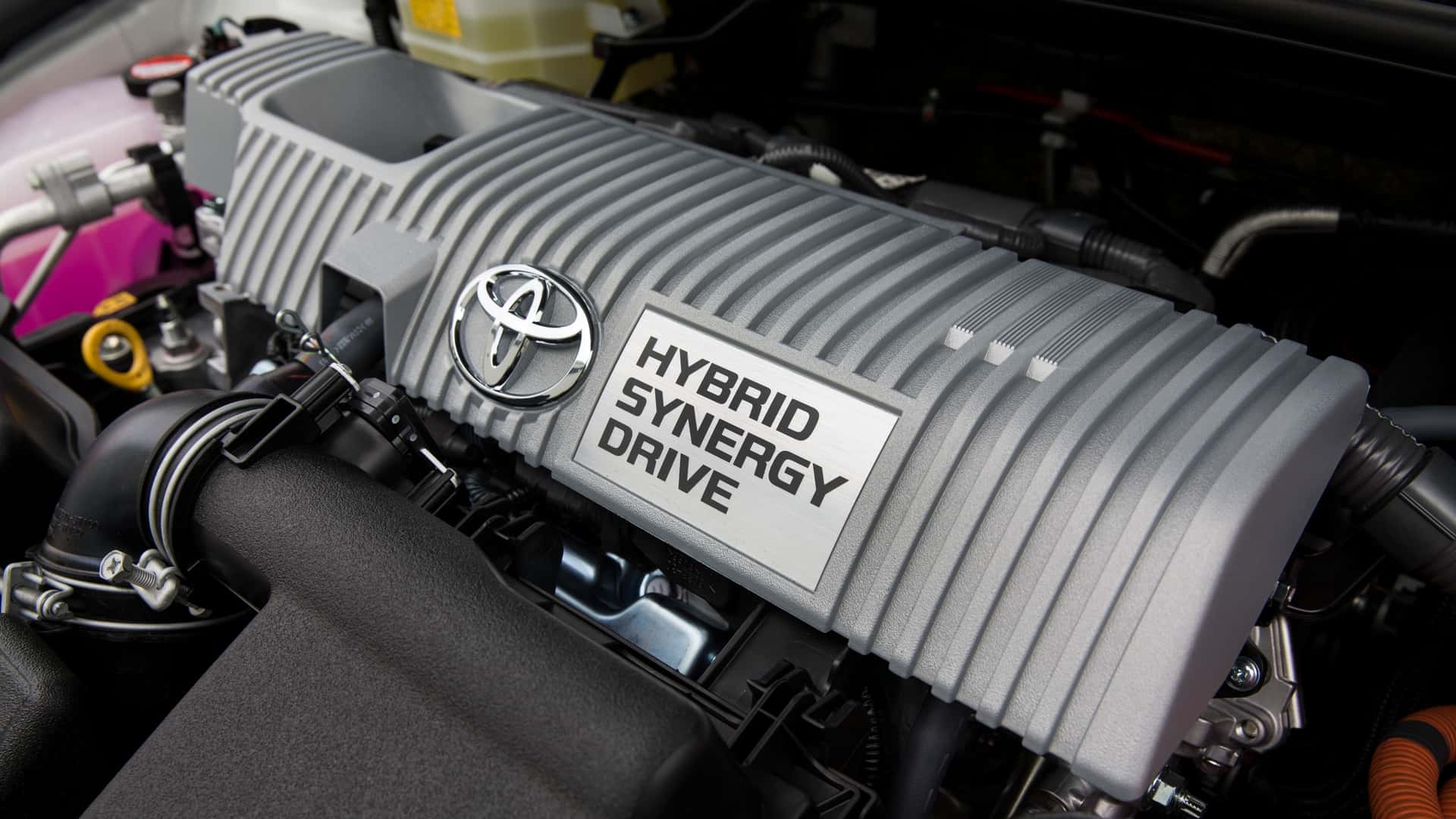
Furthermore, Toyota’s proactive product strategy has played a crucial role. The company has strategically positioned some of its best-selling models, including the popular Camry sedan and RAV4 SUV, as hybrid-only offerings in certain configurations. This move not only streamlines production but also effectively nudges consumers towards electrified options, capitalizing on the proven reliability and practicality of Toyota’s hybrid synergy drive system.
Beyond Hybrids: Toyota’s Ambitious EV Battery Roadmap
While committed to enhancing its hybrid offerings with Toyota’s next-generation hybrid batteries, the automaker is simultaneously advancing its portfolio of battery electric vehicles. Toyota’s worldwide BEV sales have shown substantial growth this year, recording 193,000 units sold in the first half, representing an impressive 135% year-over-year increase. This robust expansion signals Toyota’s increasing momentum in the fully electric segment.
Advancements in Battery Electric Vehicle Technology
Toyota’s commitment to BEVs extends to the development of highly advanced battery technologies. The company has previously outlined plans for new lithium-ion batteries, slated for introduction in 2027. These next-generation Li-ion packs are projected to deliver an impressive range of up to 621 miles (1,000 kilometers) under the optimistic WLTP (Worldwide Harmonized Light Vehicles Test Procedure) test cycle.
This translates to an estimated range of just over 500 miles under the stricter EPA (Environmental Protection Agency) standard. Such advancements significantly extend the practical usability of future Toyota BEVs, addressing a critical consumer concern regarding EV adoption. The goal is to alleviate range anxiety and make electric travel more convenient for long distances, crucial for maintaining a competitive edge.
The Promise of Solid-State Batteries
Beyond the enhanced lithium-ion technology, Toyota is at the forefront of developing groundbreaking solid-state batteries. This revolutionary technology holds the promise of transforming the EV landscape, offering numerous advantages over traditional liquid electrolyte batteries. Toyota projects that its solid-state batteries will be capable of ultra-fast charging, achieving a 10% to 80% charge in under 10 minutes.
This rapid charging capability could largely mitigate current concerns about charging times, making EVs as convenient as refueling a conventional gasoline car. These solid-state batteries are anticipated to arrive in the market between 2027 and 2028. However, their commercial deployment is contingent upon achieving a critical production breakthrough.
The successful mass production of solid-state batteries at a competitive cost would represent a monumental achievement for Toyota and the entire automotive industry. It could potentially redefine the standards for electric vehicle performance and practicality globally.
Addressing Market Competitiveness
Despite these promising developments and strong sales figures, Toyota executives have openly acknowledged the need for continuous improvement in their BEV offerings. They recognize the intense competition, particularly from cutting-edge models emerging from dynamic markets like China, which are rapidly innovating in EV technology and design. This candid assessment underscores Toyota’s pragmatic approach to its electrification journey.
As Takanori Azuma articulated during the earnings call, “Going forward, we need to enhance the competitiveness of not only conventional vehicles but also BEVs.” He further emphasized the collaborative strategy to achieve this: “We intend to work closely with our local partners, including through joint development, to strengthen our competitiveness.” This commitment to partnership and innovation highlights Toyota’s determination to remain a dominant force across all segments of the electrified vehicle market.
Charting the Future: Toyota’s Dual Strategy in Electrification
Toyota’s dual strategy—bolstering its hybrid segment with Toyota’s next-generation hybrid batteries while aggressively pursuing advancements in BEV technology—positions the automaker uniquely in the global shift towards sustainable mobility. By offering a diverse range of electrified options, from highly efficient hybrids to long-range and ultra-fast-charging BEVs, Toyota aims to cater to varying consumer needs and market demands worldwide.
The company’s holistic approach, combining incremental improvements in established technologies with ambitious leaps in nascent ones, reflects a calculated effort to lead the industry through a complex energy transition. As the automotive landscape continues to evolve, Toyota’s strategic investments in battery technology and production capacity are poised to cement its role as a key player in shaping the future of transportation.
Frequently Asked Questions About Toyota’s Electrification Plans
When will Toyota’s next-generation hybrid batteries be available?
Toyota is scheduled to begin rolling out its next-generation hybrid batteries starting in 2024. These new battery packs are designed to offer improved performance characteristics and a lower production cost, reinforcing the appeal and efficiency of Toyota’s hybrid vehicle lineup globally.
What are the benefits of the new hybrid batteries?
The primary benefits of Toyota’s next-generation hybrid batteries include enhanced vehicle performance and a reduced manufacturing cost. While specific chemistry details are yet to be fully disclosed, these improvements aim to make hybrid vehicles more efficient, powerful, and accessible to a broader range of consumers worldwide.
What is Toyota’s projection for hybrid sales?
Toyota anticipates a significant milestone in its hybrid sales, expecting to sell over 5 million hybrid vehicles globally for the first time by the end of 2026. This projection underscores the strong and growing market demand for Toyota’s fuel-efficient hybrid models across various international markets.
What is Toyota doing for Battery Electric Vehicles (BEVs)?
Toyota is actively developing advanced batteries for BEVs. New lithium-ion batteries, due in 2027, are projected to offer over 500 miles of EPA-estimated range. Furthermore, revolutionary solid-state batteries, capable of charging from 10% to 80% in under 10 minutes, are anticipated between 2027 and 2028, pending production breakthroughs.
Why are hybrids still important for Toyota?
Hybrids remain crucial for Toyota’s strategy as they continue to be the overwhelming driver of electrified vehicle sales. Factors like high fuel prices, shifts in market regulations, and consumer preference for practical, fuel-efficient alternatives have sustained strong demand for Toyota’s hybrid lineup, making them a vital part of the company’s transition to full electrification.
How is Toyota addressing competition in the EV market?
Toyota executives acknowledge the need to enhance the competitiveness of their BEVs, especially against rapidly advancing models from other markets. The company plans to address this by working closely with local partners and through joint development initiatives, aiming to strengthen its position and offerings in the competitive global electric vehicle landscape.