
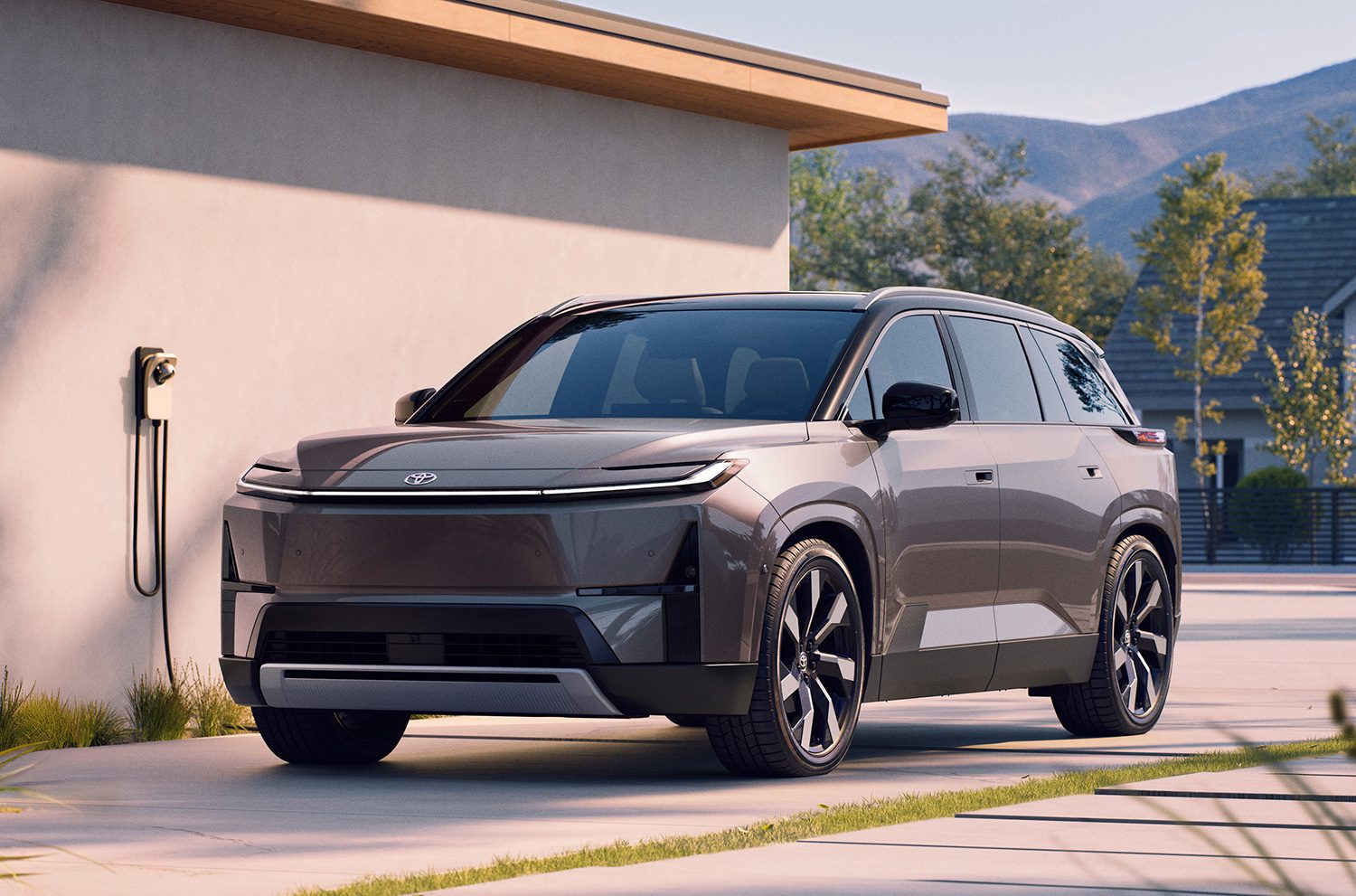
Key Takeaways:
- Toyota reported a significant 21.5% decline in operating income for Q4 2025, coupled with a $2-billion operating loss in North America.
- Industry analysts and activist shareholders are increasingly linking these financial struggles to Toyota’s perceived slow adoption of battery electric vehicles (BEVs).
- The automaker’s historical reliance on hybrids and continued investment in hydrogen fuel cells are being scrutinized amidst a global market shift towards pure EVs.
- Toyota’s EV sales targets have been repeatedly missed, with global BEV sales in 2025 falling far short of projections.
- Challenges include declining sales in key markets like China, delays in solid-state battery development, and a comparatively low R&D-to-earnings ratio.
The global automotive industry is undergoing an unprecedented transformation, with electric vehicles (EVs) at the forefront of this seismic shift. Against this backdrop, Toyota, traditionally the world’s largest automaker, recently released its Q4 2025 earnings report, revealing a concerning financial performance that has prompted renewed scrutiny of its electric vehicle strategy.

The company reported a substantial 21.5% decline in operating income, measured in yen. This downturn was accompanied by a reduction in profit margins, dropping from 10% to 7.4%, and a significant $2-billion operating loss within its crucial North American business segment.
While US tariffs may have played a role in these results, the broader context of surging oil prices and dwindling profits for several automakers raises a critical question: is it time for legacy brands like Toyota to fundamentally reassess their approach to the electric vehicle transition?
Mounting Pressure on Legacy Automakers Amidst EV Transition
The challenges facing Toyota are not isolated. There is growing evidence that investors are becoming increasingly impatient with traditional automotive manufacturers perceived to be lagging in the EV transition. At Daimler Truck’s recent annual general meeting, for instance, a coalition of activist shareholders voiced serious concerns.

They highlighted the company’s subdued 2025 financial performance and cautioned that its lobbying efforts against stringent climate regulations could ultimately jeopardize its long-term competitive standing in a rapidly evolving global market. This sentiment underscores a broader trend: the financial community is increasingly connecting a robust EV strategy with future profitability and market resilience.
Toyota’s Shifting Stance on Electric Mobility
For years, Toyota championed a strategy that prioritized hybrid vehicles, often expressing skepticism about the immediate viability and broad appeal of purely battery-electric models. This approach positioned hybrids as the more pragmatic and sustainable pathway during the initial phases of the EV transition.
However, recent developments suggest a notable shift in the automaker’s stance. Toyota is now reportedly preparing to launch a more expansive lineup of battery electric vehicles. As industry expert John Voelcker observed, this strategic pivot indicates that even Toyota acknowledges it can no longer afford to remain on the sidelines of the accelerating EV transition.
Expert Scrutiny: The Hidden Costs of a Fossil-Fuel Dependent Strategy
Ben Scott, who leads Energy Demand at the Carbon Tracker Initiative, has been a vocal critic of Toyota’s historical approach. He asserts that the company has spent “years underinvesting in BEVs while the global market moved decisively in that direction.” Scott contends that Toyota’s recent financial outcomes are beginning to reflect these misaligned priorities.
The poor performance, according to Scott, “exposes the hidden cost of Toyota’s fossil-fuel-dependent supply chain and combustion-heavy product mix.” He emphasizes that a company with a higher penetration of battery electric vehicles (BEVs), greater localized production capabilities, and reduced exposure to oil-linked input costs would be structurally better insulated from the geopolitical shocks currently impacting Toyota’s profitability.
Scott further elaborated on Toyota’s position within the global EV landscape. He noted that despite numerous pledges to increase EV production, Toyota enters this period of instability accounting for less than 2% of global BEV sales. This marks a third consecutive year of declining sales in the critical Chinese market, with its current BEV offerings trailing generations behind those of its most formidable rivals.
Key Areas of Concern: A Detailed Analysis
Unprofitable Bets on Hydrogen Fuel Cells
One of the persistent criticisms leveled against Toyota is its continued, significant investment in hydrogen fuel cell technology. While hydrogen holds promise for certain applications, it has, to date, delivered a minimal return on investment for passenger vehicles compared to the widespread adoption of battery electric technology. This allocation of capital is seen by some as diverting resources from more immediately impactful EV development.
Repeatedly Missed EV Sales Targets
Toyota’s ambitious EV sales aspirations have consistently fallen short. In 2023, the company declared a goal of achieving 1.5 million EV sales globally by 2026. However, this target has since been scaled back multiple times. In 2025, the automaker sold fewer than 200,000 BEVs worldwide, alongside a mere 1,257 fuel cell cars. This performance represents less than 10 percent of its initial 2026 projection, highlighting a significant gap between ambition and execution in the EV transition.
Delays in Solid-State Battery Development
Solid-state batteries (SSBs) are widely considered a potential game-changer for electric vehicles, offering higher energy density, faster charging, and improved safety. Toyota has been actively touting its progress in SSB development for a decade. However, the projected timeline for integrating SSBs into production vehicles has been repeatedly pushed back.
The latest target aims for a pilot SSB plant to be operational by the end of 2027. This timeline places Toyota behind several other companies that have already demonstrated functional solid-state battery prototypes, raising questions about its ability to maintain a leading edge in advanced battery technology, a crucial component of the EV transition.
Declining Sales in China and Southeast Asia
Toyota’s performance in China, the world’s largest electric vehicle market, has been particularly challenging. The company has experienced a downturn in sales for three consecutive years in the region. This trend is part of a broader struggle for Japanese automakers across China and Southeast Asia in recent years, as local manufacturers, particularly Chinese brands, rapidly dominate the plug-in vehicle segment.
Currently, plug-in vehicles account for less than 3% of Toyota’s total sales in China, indicating a significant lag in adapting to the region’s aggressive electrification push and impacting its global market share.
Conservative R&D Investment
Another area of concern highlighted by analysts is Toyota’s research and development (R&D)-to-earnings ratio, which ranks among the lowest when compared to other established legacy auto brands. In a rapidly innovating industry, a conservative approach to R&D investment could hinder the company’s ability to develop cutting-edge technologies and products necessary to compete effectively in the electric vehicle market.
Playing Catch-Up with European Rivals
The competitive landscape of the EV market extends beyond emerging Chinese players. Toyota is also facing increasing pressure from European manufacturers. For example, BMW is currently developing its fourth generation of electric vehicles, demonstrating a consistent and accelerated pace of innovation in its EV offerings. In contrast, Toyota is still grappling with its second-generation BEV platforms, illustrating a significant generational gap in product maturity and technological advancement.
Shareholder Activism: A Growing Trend?
During a recent press conference, Charged inquired with Mr. Ben Scott about the presence of investor-led initiatives specifically targeting Toyota’s perceived electric vehicle shortcomings, similar to the shareholder activism observed at Daimler Truck’s recent meeting.
Scott conceded, “Broadly, no.” While some individual investors have privately expressed their concerns regarding Toyota’s pace in the EV transition, there has not yet been any organized or collective shareholder pressure advocating for systemic reforms within the company’s EV strategy. This contrasts with the increasing shareholder engagement seen in other sectors pushing for greater sustainability and future-proofing of business models.
However, this situation could potentially change. Should the automotive industry continue to witness quarters marked by escalating petrol prices and a simultaneous decline in profits, it is plausible that organized investor groups might emerge to demand a more aggressive and committed stance towards the electric vehicle transition from Toyota, influencing its long-term strategic direction.
Source: Carbon Tracker Initiative
Frequently Asked Questions About Toyota’s EV Strategy
Why are Toyota’s Q4 2025 earnings down?
Toyota’s Q4 2025 earnings saw a 21.5% decline in operating income and a $2-billion loss in North America. This downturn is attributed to factors like US tariffs and, significantly, growing concerns about the company’s slow adoption of battery electric vehicles (BEVs) in a rapidly electrifying global market. Rising oil prices impacting a combustion-heavy product mix also contributed to financial pressures.
What is Toyota’s current stance on the electric vehicle transition?
After years of prioritizing hybrids, Toyota is now actively preparing to launch a broader lineup of battery electric vehicles, acknowledging the imperative of the EV transition. However, critics suggest its current BEV offerings are generations behind rivals, and its investment in hydrogen fuel cells continues to draw scrutiny amidst the rapid global shift towards pure EVs.
What challenges is Toyota facing in the EV market?
Toyota faces several challenges, including repeatedly missing its BEV sales targets (selling less than 10% of its 2026 goal in 2025), significant delays in bringing solid-state batteries to production, and a three-year decline in sales within the crucial Chinese market, where plug-in vehicles are rapidly gaining dominance.
What are solid-state batteries and why are they important for EVs?
Solid-state batteries (SSBs) use a solid electrolyte instead of a liquid one, promising higher energy density, faster charging times, improved safety, and longer lifespan compared to traditional lithium-ion batteries. They are considered a next-generation technology crucial for advancing EV performance and overcoming current range and charging anxieties, making their development a key competitive factor.
Are shareholders pressuring Toyota to accelerate its EV strategy?
While some individual investors have expressed concerns, there hasn’t yet been organized shareholder pressure or activism specifically targeting Toyota’s EV strategy, unlike what has been observed at other legacy automakers like Daimler Truck. However, analysts suggest that continued poor financial performance linked to a lagging EV transition could prompt such movements in the future.