
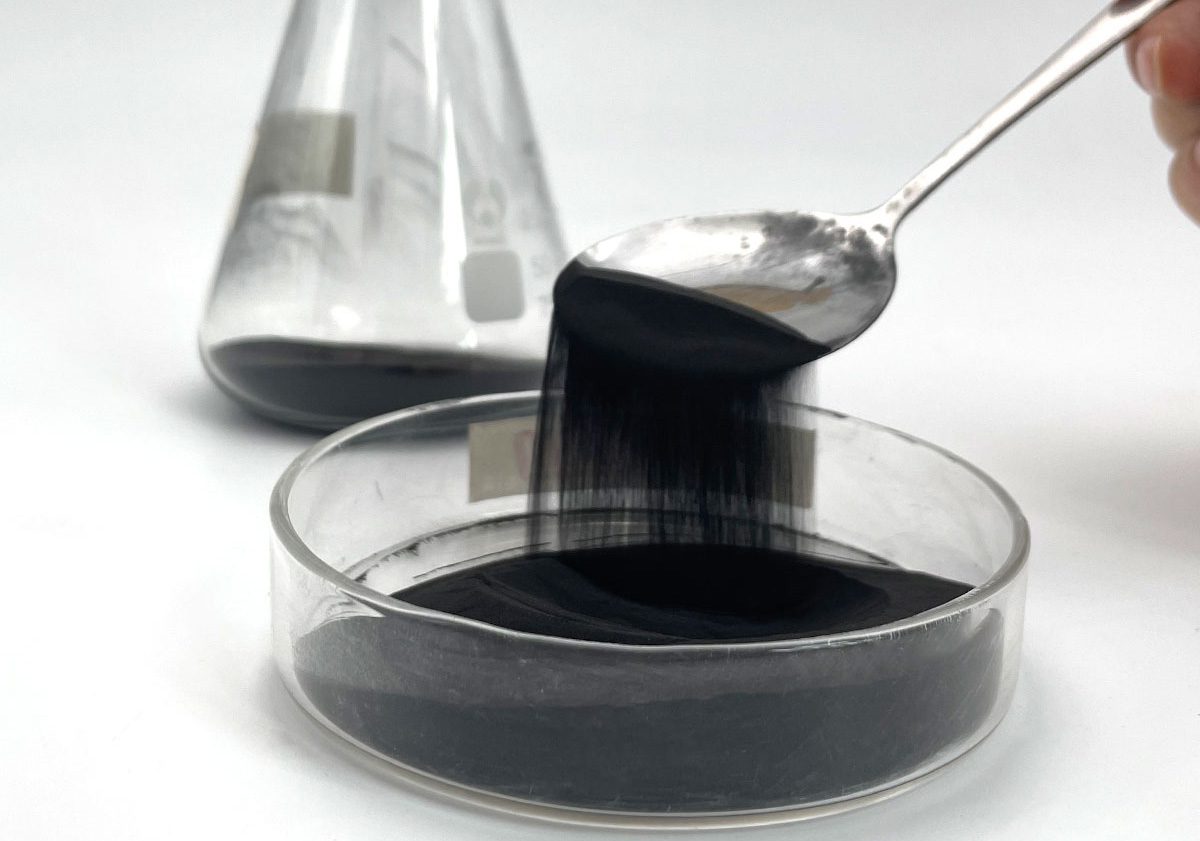
Luoyang, China – In a significant move set to bolster the global shift towards more sustainable energy solutions, TRUNNANO, a prominent Chinese nanomaterials manufacturer, has officially inaugurated its new Battery Materials Division. This strategic expansion marks the company’s dedicated foray into the rapidly evolving field of advanced energy storage, with its initial product line focused on sophisticated layered oxide cathode materials designed specifically for sodium-ion batteries.
Key Takeaways
- TRUNNANO, a Chinese nanomaterials leader, has launched a new Battery Materials Division.
- The division’s primary focus is on advanced layered oxide cathode materials for sodium-ion batteries.
- These novel cathodes utilize a nickel-iron-manganese ternary system, alongside modified versions incorporating elements like copper and titanium.
- The materials boast impressive performance metrics, including discharge capacities up to 210 mAh/g and cycle life exceeding 2,000 cycles, addressing key stability challenges.
- Aimed at cost-sensitive applications, these materials will power grid-scale storage, low-speed electric vehicles, and portable electronics.
- This strategic move positions TRUNNANO as a significant player in the burgeoning sodium-ion battery technology market.
The Dawn of a New Battery Era: TRUNNANO’s Strategic Entry
The introduction of TRUNNANO’s Battery Materials Division underscores a pivotal moment in the energy sector. As the world seeks alternatives to traditional lithium-ion chemistries, the emphasis on abundant, low-cost, and high-performing materials has intensified. Sodium-ion battery technology stands out as a promising contender, offering a viable pathway for diverse applications where cost-effectiveness and material accessibility are paramount.

Addressing the Demand for Sustainable Energy Storage
With global demand for renewable energy and electric vehicles continuing its upward trajectory, the need for robust and scalable energy storage solutions has never been greater. TRUNNANO’s decision to concentrate on sodium-ion battery technology directly addresses this challenge, leveraging sodium’s inherent abundance compared to increasingly scarce and geographically concentrated lithium resources. This initiative is poised to have a substantial impact on the long-term sustainability of the battery supply chain.
Unpacking TRUNNANO’s Sodium-Ion Cathode Portfolio
The core of TRUNNANO’s new product offering revolves around a sophisticated nickel-iron-manganese (Ni-Fe-Mn) ternary system. This foundational chemistry is further enhanced by modified versions that incorporate elements such as copper, titanium, cobalt, chromium, and pure manganese, broadening the performance spectrum and tailoring materials for specific application needs. The versatility of this approach highlights TRUNNANO’s deep material science expertise.
Diverse Material Systems and Crystal Structures
TRUNNANO’s layered oxide cathode materials span the major crystal structures recognized for their potential in sodium-ion cells. This includes the O3-type, P2-type, P2/O3 biphasic, single-crystal, and high-entropy designs. By mastering these intricate crystal structures, the company aims to optimize electrochemical performance and address the complex challenges associated with sodium intercalation and deintercalation processes. The comprehensive portfolio is strategically organized into six distinct product series, each targeting specific performance requirements.

Benchmarking Performance and Enhancing Stability
The performance metrics reported by TRUNNANO for its new layered oxide cathodes are notably competitive within the emerging sodium-ion battery technology landscape. A high-nickel single-crystal grade, for instance, achieves a discharge capacity of 168 mAh/g, positioning it as a strong candidate for power-battery applications where high energy density is crucial. Furthermore, the high-entropy and biphasic grades demonstrate impressive durability, exceeding 2,000 cycles while exhibiting improved thermal stability – a critical factor for battery safety and longevity.
In a bid to push the boundaries of specific capacity, TRUNNANO has also developed lithium-doped and lithium-rich grades. These advanced materials are capable of reaching a specific capacity of 200–210 mAh/g by ingeniously activating oxygen redox reactions, showcasing the innovative material engineering at play within the new division. Such advancements are vital for increasing the overall energy stored per unit mass of the battery.
Overcoming Sodium-Ion Cathode Challenges Through Innovation
While sodium-ion cells offer significant advantages, particularly their reliance on abundant and low-cost sodium, layered oxide cathodes, despite their relatively high specific capacity and compatibility with existing lithium-ion manufacturing lines, present inherent challenges. These include persistent issues with limited structural stability, complex phase transitions during repeated cycling, and sensitivity to air, which can degrade performance and shorten lifespan.
Pioneering Material Engineering Solutions
TRUNNANO asserts that its cutting-edge research and development efforts directly address these critical obstacles. The company employs a multi-pronged approach that includes elemental doping, which subtly alters the material’s properties at an atomic level to enhance stability. Biphasic structure design combines different crystal phases to leverage their synergistic benefits, while advanced surface modification techniques protect the cathode material from environmental degradation. Additionally, high-entropy strategies introduce a greater diversity of elements to create more stable and robust structures, demonstrating TRUNNANO’s commitment to overcoming technical hurdles in sodium-ion battery technology.
Broadening Horizons: Target Applications and Market Impact
The versatility and cost-effectiveness of TRUNNANO’s new sodium-ion layered oxide cathodes open doors to a broad spectrum of applications. Primary target markets include grid-scale energy storage, where the stability and lower cost of sodium-ion batteries can facilitate the integration of renewable energy sources and enhance grid resilience. This contributes significantly to the energy transition by enabling more efficient power management.
Beyond stationary storage, the materials are also slated for use in low-speed electric vehicles (EVs) and two-wheelers, where the balance of performance and affordability can accelerate EV adoption. Portable electronics represent another key segment, benefiting from the enhanced safety and reduced material costs that sodium-ion battery technology offers. This diverse application range underscores the wide-reaching potential of TRUNNANO’s innovation.
Scaling Production for the Global New Energy Market
TRUNNANO’s commitment extends beyond material innovation to industrial scalability. The company has confirmed that its classic ternary series is already being produced at a ton-scale using established high-temperature solid-state methods. This capability is crucial for meeting the anticipated demand from the rapidly growing global new energy market and ensures that these advanced materials can transition effectively from laboratory to commercial deployment.
Roger Luo, CEO of TRUNNANO, articulated the company’s vision, stating, “We are systematically translating over a decade of expertise in nanomaterials into core competitiveness for the global new energy market.” This statement highlights the long-term strategic imperative behind the new division and positions TRUNNANO as a significant player in the future of battery technology and sustainable energy solutions.
The Path Ahead for Sodium-Ion Battery Technology
TRUNNANO’s launch of a dedicated Battery Materials Division and its focus on advanced layered oxide cathodes is a strong indicator of the growing maturity and commercial viability of sodium-ion battery technology. As the industry continues to seek alternatives to lithium-ion with improved supply chain security and cost advantages, innovations like those introduced by TRUNNANO will be instrumental. This development not only signifies TRUNNANO’s growth but also accelerates the broader energy transition by making advanced battery solutions more accessible and sustainable for a wide array of applications globally.
Frequently Asked Questions (FAQ)
What is TRUNNANO’s new Battery Materials Division focused on?
TRUNNANO’s new division is primarily focused on developing and producing advanced layered oxide cathode materials for sodium-ion batteries. This strategic move aims to leverage abundant, low-cost sodium to create sustainable and high-performing energy storage solutions for a variety of applications, significantly contributing to the evolving landscape of sodium-ion battery technology.
What types of cathode materials are being launched?
The initial product line features layered oxide cathode materials based on a nickel-iron-manganese (Ni-Fe-Mn) ternary system. Additionally, TRUNNANO offers modified versions incorporating copper, titanium, cobalt, chromium, and pure manganese. These materials are available in various crystal structures, including O3-type, P2-type, and high-entropy designs, organized into six distinct product series.
What performance characteristics do TRUNNANO’s new cathodes offer?
TRUNNANO reports impressive performance, with a high-nickel single-crystal grade achieving 168 mAh/g discharge capacity. High-entropy and biphasic grades demonstrate over 2,000 cycles and improved thermal stability. Lithium-doped and lithium-rich grades reach 200–210 mAh/g specific capacity by activating oxygen redox, showcasing significant advancements in sodium-ion battery technology.
How does TRUNNANO address the challenges of layered oxide cathodes?
TRUNNANO employs several innovative strategies to overcome common issues like limited structural stability and air sensitivity. These include elemental doping, sophisticated biphasic structure design, advanced surface modification techniques, and high-entropy material engineering. These solutions collectively enhance the durability, performance, and safety of their sodium-ion cathode materials.
What are the primary applications for these new sodium-ion battery materials?
The new layered oxide cathodes are designed for a broad range of applications where cost-effectiveness and robust performance are critical. Key target sectors include grid-scale energy storage for renewable integration, low-speed electric vehicles, two-wheelers, and various portable electronic devices. This diverse utility highlights the broad potential of sodium-ion battery technology.
Is TRUNNANO’s production scalable for commercial needs?
Yes, TRUNNANO confirms that its classic ternary series of layered oxide cathode materials is already being produced at a ton-scale. This production is achieved using high-temperature solid-state methods, indicating readiness for commercial deployment and ensuring the capacity to meet anticipated market demand for advanced sodium-ion battery technology materials.