
America’s electric vehicle tax credits are poised for a significant overhaul, making them more accessible to consumers starting January 2024. This change marks a crucial pivot for those considering an electric vehicle (EV) purchase, potentially making the transition more affordable than ever before.
The Inflation Reduction Act, enacted in August 2022, modernized existing tax credits for new and used electric and plug-in hybrid cars. However, the upcoming modifications will fundamentally alter how these incentives are applied, shifting from a post-purchase tax refund to an immediate point-of-sale discount.

Key Takeaways (TL;DR)
- Starting January 2024, electric vehicle tax credits will transition from a tax refund mechanism to an immediate point-of-sale discount.
- Buyers of new and used eligible clean vehicles can directly transfer the credit amount to the dealership, reducing the purchase price upfront.
- This change means consumers no longer need to wait until tax season to receive their incentive, directly addressing a previous barrier for many.
- To facilitate this, dealerships must register with the new IRS Energy Credits Online portal.
- While the application method changes, existing eligibility criteria, including North American final assembly, battery component sourcing, and MSRP/income caps, largely remain.
- Consumers exceeding income limits after receiving the credit will be required to repay the full incentive to the IRS.
From Annual Refund to Instant Savings: The 2024 Shift
The core of the 2024 transformation lies in the ability for buyers of new and used “clean vehicles” to transfer the credit amount directly at the point of sale. This innovative approach allows consumers to effectively drive off a dealership lot or retail location with an EV at a substantially reduced price.
Under the new system, a dealership will deduct the electric vehicle tax credit amount from the vehicle’s price. Subsequently, the Internal Revenue Service (IRS) is expected to repay the dealership within 72 hours of a successfully completed transaction, streamlining the process for both parties.
While the IRS’ updated rules are newly public, the point-of-sale feature was an anticipated component of the Inflation Reduction Act when it was passed in August 2022. The initial legislation indicated this feature would commence in 2024, though detailed operational guidelines were not immediately available until now.

A Historical Overview of U.S. EV Tax Credits
Federal tax credits for clean vehicles are not a novel concept in the United States. Since the late 2000s, consumers purchasing new plug-in hybrids (PHEVs), fuel cell electric vehicles (FCEVs), and battery electric vehicles (BEVs) have been eligible for tax credits of up to $7,500.
This framework remained largely consistent until January 1, 2023, when the provisions of the Inflation Reduction Act came into effect. This legislation introduced more stringent criteria, notably favoring electric vehicles manufactured and assembled in North America with batteries sourced from specific regions.
The implementation of the Inflation Reduction Act led to several electrified vehicles losing their eligibility for federal electric vehicle tax credits. Vehicles like the Chinese-made Polestar 2, the British-built Mini Cooper SE, and the German-built BMW i4 were among those disqualified solely due to their manufacturing origin, highlighting a strategic shift towards domestic production.
Furthermore, the Inflation Reduction Act introduced crucial vehicle MSRP caps to qualify for the electric vehicle tax credits: $55,000 for sedans and $80,000 for trucks and SUVs. Used vehicles faced an even stricter limit of $25,000. This addition meant that some higher-priced options, such as those from Lucid, no longer qualified, limiting benefits for customers of premium EVs.
Income limits were also a significant addition. New EV buyers became subject to adjusted gross income (AGI) caps: $300,000 for joint filers, $225,000 for heads of household, and $150,000 for single filers. Used EV buyers faced even tighter restrictions: $150,000 for joint, $112,500 for head-of-household, and $75,000 for single filers.
Despite these new additions, the credit’s fundamental nature remained a non-refundable tax credit. For example, a consumer purchasing a Tesla Model Y in 2023 could claim the $7,500 credit in the subsequent tax season. However, if their tax liability was only $5,000, they could only utilize $5,000 of the credit, with the remaining $2,500 being forfeited.
This non-refundable aspect was a point of criticism, as it prevented individuals with lower tax burdens or significant tax write-offs from fully benefiting. The updated 2024 rules are designed to rectify this, enhancing the upfront affordability of electric vehicles for a broader range of consumers.
Key Provisions of the 2024 EV Tax Credit Changes
The Point-of-Sale Mechanism
As of next year, the reduced price will be applied at the time of purchase. For a vehicle transaction to qualify, dealerships must first register with a new IRS Energy Credits Online website, becoming a certified entity capable of transferring these electric vehicle tax credits.
This system provides a significant advantage for buyers. Consider the hypothetical taxpayer with a $5,000 tax burden. With the new point-of-sale credit, this individual can receive the full $7,500 reduction in the purchase price of a new eligible EV. Crucially, consumers who receive a credit exceeding their tax liability will not owe the IRS any amount come tax season.
However, an important caveat exists for individuals whose income ultimately exceeds the established caps by the end of the year in which they claim the credit. If, for instance, a single filer earns $150,001 in a given year after receiving a point-of-sale credit, they will be obligated to repay the entire $7,500 incentive back to the IRS.
Buyers retain the option to claim the credit through the traditional method during tax filing. This alternative might be prudent for individuals whose incomes are close to the applicable thresholds and could fluctuate throughout the year.
Vehicle Eligibility Criteria for New Models
For new electrified vehicles to qualify for the electric vehicle tax credits, they must meet several stringent requirements. At a minimum, vehicles must possess a battery capacity of at least 7-kilowatt hours and undergo final assembly in North America. Additionally, they must satisfy specific critical mineral and battery component sourcing requirements, largely aiming to reduce reliance on foreign supply chains.
Qualifying New Electric Vehicles and Credit Values (2024)
The following vehicles meet the specified criteria and are eligible for electric vehicle tax credits, subject to MSRP caps:
Vehicles With $55,000 MSRP Cap:
- Chevrolet Bolt EV: $7,500 credit
- Chevrolet Bolt EUV: $7,500 credit
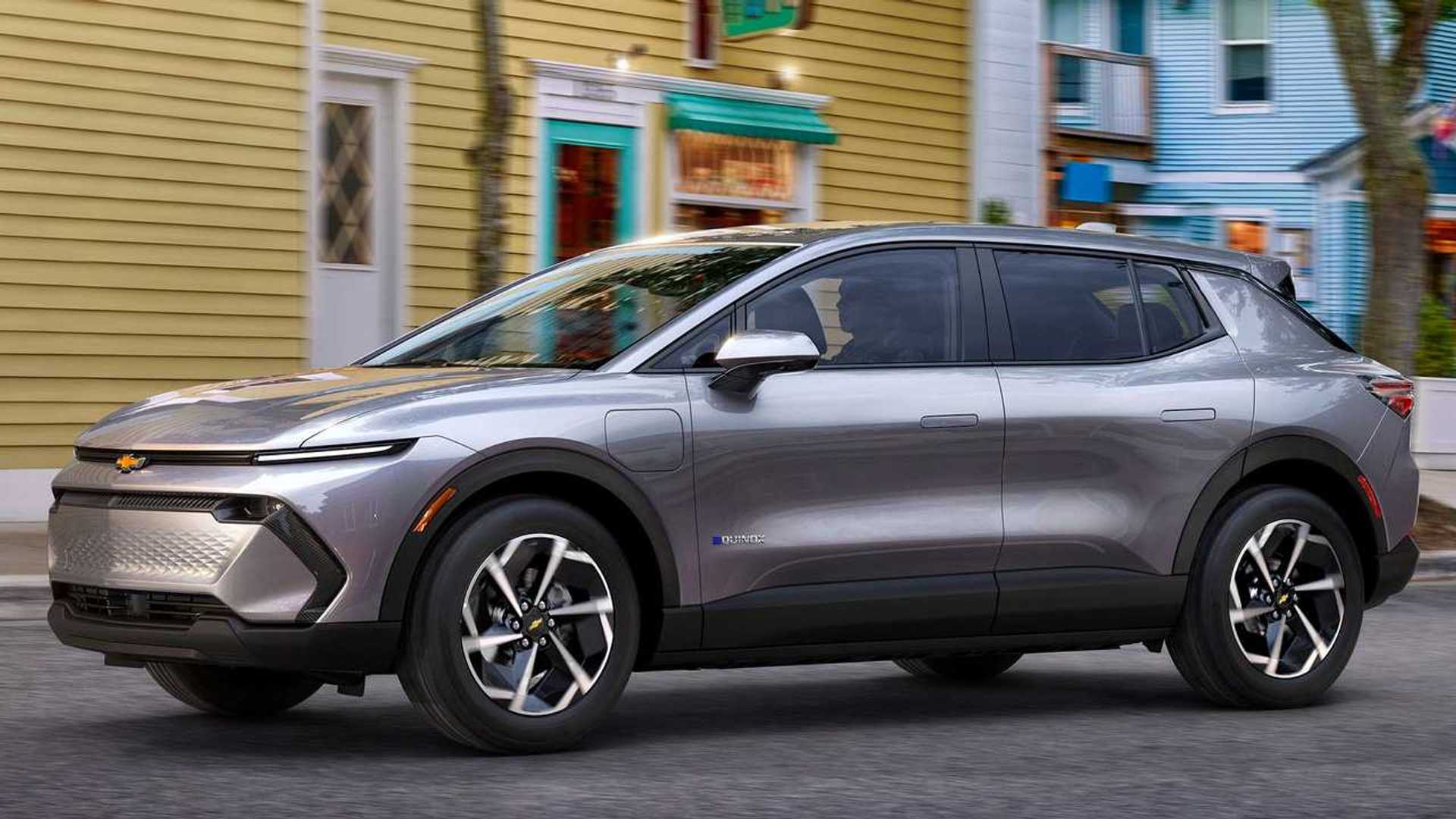
- Chevrolet Equinox EV: $7,500 credit
- Tesla Model 3: $7,500 credit
Vehicles With $80,000 MSRP Cap:
- Cadillac Lyriq: $7,500 credit
- Chevrolet Blazer EV: $7,500 credit
- Chevrolet Silverado EV: $7,500 credit
- Chrysler Pacifica: $7,500 credit
- Corsair Grand Touring: $3,750 credit
- Ford E-Transit: $3,750 credit
- Ford Escape: $3,750 credit
- Ford F-150 Lightning: $7,500 credit
- Ford Mustang Mach-E: $3,750 credit
- Jeep Grand Cherokee 4xe: $3,750 credit
- Lincoln Aviator Grand Touring: $7,500 credit
- Rivian R1S: $3,750 credit
- Rivian R1T: $3,750 credit
- Tesla Model X Long Range: $7,500 credit
- Tesla Model Y: $7,500 credit
- Volkswagen ID.4: $7,500 credit
- X5 xDrive50e 2024: $3,750 credit
Eligibility for Used Electric Vehicles
Used clean vehicles, which can include FCEVs, PHEVs, or pure EVs, also qualify for a credit of up to $4,000. These vehicles must meet specific criteria: a battery size of at least 7 kilowatt hours, be at least two model years old, and sell for under $25,000. A critical condition is that the vehicle must not have been transferred to a qualified buyer after August 16, 2022. This stipulation prevents a used EV from qualifying for the credit if it has already been purchased second-hand post-August 16, 2022, regardless of its price.
Prospective buyers interested in determining a used vehicle’s eligibility for the tax credit can consult resources such as Recurrent’s EV Qualification Tool, which assists owners in understanding if their desired vehicle qualifies.
Strategic Leasing: A Potential Pathway to Maximise Benefits
An interesting aspect of the electric vehicle tax credits involves a potential strategy for maximizing benefits through leasing. If a consumer chooses to lease an EV, the credit can be effectively integrated into their lease payments. This particular approach applies to all EVs, irrespective of their manufacturing location.
Subsequently, if the individual opts to buy out the vehicle at the end of the lease term for less than $25,000, they could then obtain the $4,000 used EV credit on that purchase. This combined approach could potentially result in a total benefit of up to $11,500 in electric vehicle tax credits for a single vehicle acquisition.
Broader Impact on the Automotive Landscape
The revised electric vehicle tax credits represent the most substantial changes for both new and used EV consumers since the initial implementation of the Inflation Reduction Act. By introducing a point-of-sale feature, consumers are now presented with unparalleled purchasing incentives, which could significantly reduce the upfront cost of electric cars.
This enhanced accessibility for clean vehicles is anticipated to further accelerate EV adoption, reshape consumer purchasing behavior, and once again alter the dynamics of the automotive market. The move is a clear signal of ongoing governmental commitment to promoting sustainable transportation solutions.
Frequently Asked Questions (FAQs)
What is the primary change to EV tax credits starting January 2024?
The primary change is a shift from a post-purchase tax refund to an immediate point-of-sale discount. Buyers can transfer the credit directly to the dealership, reducing the vehicle’s price upfront, eliminating the need to wait for a tax refund.
Will I have to repay the IRS if my tax burden is less than the credit amount?
No. Unlike the previous EV tax credit system, you will be able to reap the full benefits of the incentive, regardless of your personal tax burden for that year. The discount is applied directly at the time of purchase.
What happens if my income exceeds the limit after I receive a point-of-sale tax credit that year?
If your modified adjusted gross income (AGI) surpasses the applicable income thresholds by even one dollar at the end of the year, you will be required to repay the entire incentive amount that was given to you at the point of sale back to the IRS.
Does a vehicle’s MSRP cap include optional features and upgrades?
Yes. For a vehicle to qualify for the electric vehicle tax credits, its final Manufacturer’s Suggested Retail Price (MSRP), including all options and upgrades chosen by the buyer, must remain below the specified cap ($55,000 for sedans, $80,000 for trucks/SUVs).
Are there specific requirements for the battery components and manufacturing location?
Indeed. To qualify for the full credit, new electric vehicles must undergo final assembly in North America and meet stringent requirements regarding the sourcing of critical minerals and battery components. This promotes domestic manufacturing and resilient supply chains.
Can I get an EV tax credit for a leased vehicle?
Yes, electric vehicle tax credits can be built into lease payments for any EV, regardless of its manufacturing location. Furthermore, if you purchase the leased vehicle at the end of the term for under $25,000, you could potentially qualify for an additional used EV credit.