
Key Takeaways (TL;DR)
- Despite a long-awaited official refresh in 2026, the Tesla Model Y has undergone a surprising array of subtle but significant changes since its 2020 debut.
- These yearly and even monthly adjustments encompass interior features, battery technology, charging speeds, driver assistance hardware, and suspension tuning.
- Prospective buyers of new or used Tesla Model Y vehicles should be aware of these incremental updates as they can significantly impact comfort, performance, and feature sets.
- Notable changes include variations in interior materials, the introduction and removal of specific range options, the integration of advanced hardware for Full Self-Driving (FSD), and attempts to refine ride comfort.
Tesla Model Y: A Chronicle of Continuous Evolution Beyond Official Refreshes
The electric vehicle landscape is often characterized by rapid innovation, yet formal model refreshes for established vehicles can sometimes lag. Such has been the perception surrounding the Tesla Model Y, which, despite its position as a best-selling electric SUV, did not receive an official ‘refresh’ until 2026. However, a deeper examination reveals that beneath this seemingly stable exterior, the Tesla Model Y has been a subject of continuous, often subtle, refinement since its market introduction in 2020.

These incremental updates, rolled out from year to year, and sometimes even month to month, highlight Tesla’s unique approach to vehicle development. Unlike traditional automakers that typically bundle changes into distinct model years or mid-cycle refreshes, Tesla frequently integrates modifications into its production line as they become available or refined. This strategy means that a Tesla Model Y from early 2020 can differ considerably from one produced just a few months later, let alone one from subsequent model years.
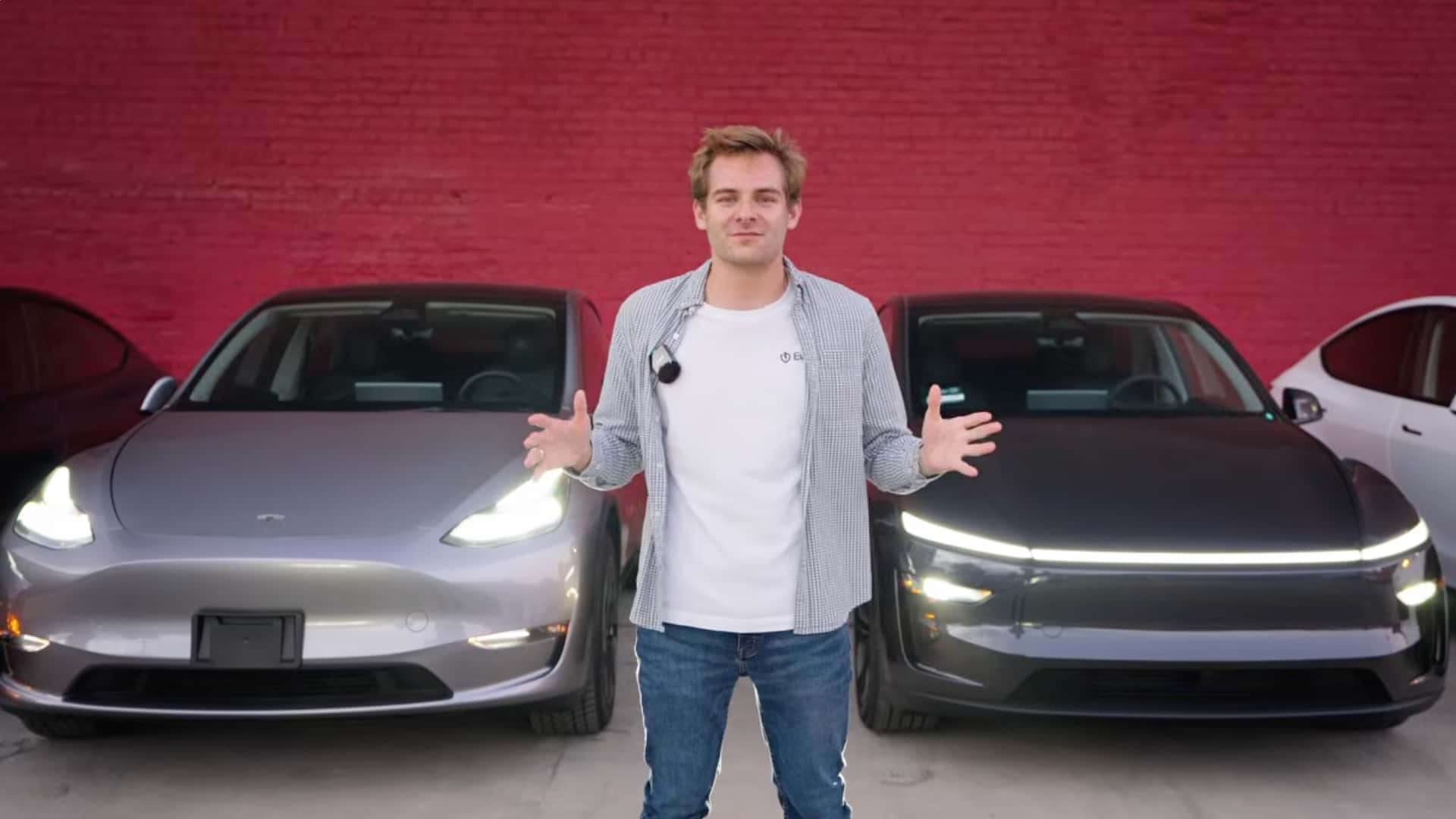
The extensive array of these modifications has been meticulously documented by Andrew Lambrecht, a long-standing contributor to InsideEVs and a recognized expert in electric vehicles. In a recent video featured on the Ever YouTube channel, Lambrecht meticulously compared every Model Y year, revealing a surprising number of distinctions. These insights are invaluable for anyone considering the purchase of a Tesla Model Y, providing critical context for understanding the variations in available features and performance across different production batches and model years.
The Inaugural Year: 2020 Tesla Model Y Details
The initial production run of the Tesla Model Y in 2020 set the benchmark for the subsequent years, offering a specific set of features that defined its premium positioning. All original (OG) 2020 Model Y vehicles were equipped with what was termed the ‘premium interior’ package. This comprehensive offering included heated seats for both the front and rear occupants, a significant comfort feature for families or those in colder climates.

Complementing the seating was a sophisticated 15-speaker sound system, designed to deliver an immersive audio experience. However, the early 2020 models notably lacked a heated steering wheel, a feature that would later become standard. The center console of these initial vehicles featured a glossy black plastic finish, which, while aesthetically pleasing, was prone to fingerprints and scratches—a common point of discussion among early adopters.
Furthermore, an often-overlooked detail concerned the vehicle’s window construction. Early builds of the 2020 Tesla Model Y featured single-pane windows, which offered standard insulation and sound dampening. Later into the 2020 production cycle, Tesla transitioned to dual-pane windows. This enhancement significantly improved cabin quietness by providing better acoustic insulation and offered superior thermal efficiency, a subtle upgrade that underscored Tesla’s continuous iteration strategy.
Navigating the 2021 Model Year Updates
The year 2021 brought a series of notable enhancements and strategic shifts for the Tesla Model Y lineup. One of the primary improvements was a modest increase in the vehicle’s overall range, offering owners slightly extended travel capabilities on a single charge. This period also saw the brief introduction of a Standard Range version of the Tesla Model Y, a move seemingly aimed at broadening market appeal with a more accessible price point. However, this variant had a remarkably short production life, lasting only about a month before being discontinued, making it a rare find for enthusiasts and collectors.
Inside the cabin, Tesla addressed earlier feedback by updating the center console. The glossy black plastic of the 2020 models was replaced with a matte finish. This change not only offered a more subdued aesthetic but also proved more resistant to smudges and minor abrasions, enhancing the long-term visual appeal of the interior. Crucially, the 2021 Model Y also saw the addition of a heated steering wheel, a welcome comfort feature that was absent in the initial 2020 models.
Despite these advancements, subsequent builds in 2021 introduced a functional change that might be a point of consideration for some buyers: the removal of passenger lumbar support. While not universally critical, lumbar support is a significant comfort feature for many, particularly on longer journeys. This specific alteration serves as a prime example of Tesla’s ongoing production adjustments, where features can appear, evolve, or even be removed without a formal announcement, prompting prospective buyers to be mindful of the exact build date of any Tesla Model Y they are considering.
The 2022 Iteration: Battery Innovations and Interior Refinements
The 2022 model year marked a pivotal moment for the Tesla Model Y, characterized by the introduction of the Standard Range All-Wheel Drive variant. This particular model garnered significant attention due to its integration of the highly anticipated 4680 cells, representing a new generation of battery technology for Tesla. The 4680 cells were expected to deliver improvements in energy density and cost efficiency, promising advancements in EV performance.
However, as noted by Andrew Lambrecht and other EV analysts, this 4680-equipped model presented specific challenges, particularly regarding its charging characteristics. It exhibited unusually slow charging speeds for a Tesla, with its power delivery notably dipping below 100 kW after the battery reached approximately a 30% state of charge. This behavior stood in contrast to the faster and more consistent charging profiles typically associated with other Tesla models, making it a crucial consideration for potential owners reliant on rapid DC fast charging.
Beyond battery technology, the 2022 Tesla Model Y also saw continued refinements to its interior. Later production models from 2022 received updated interior bits, including the subtle integration of wood trim on the door cards. This addition aimed to elevate the cabin’s premium feel and create a more cohesive design language with the existing wood accents on the dashboard. Furthermore, an important safety and convenience feature was added: manual backup releases for the rear doors, providing an alternative egress method in the event of an electrical system failure.
Addressing a long-standing point of feedback for the Model Y, some 2022 builds also benefited from the introduction of a “comfort suspension.” The Tesla Model Y had often been criticized for its stiff ride, a characteristic that while contributing to agile handling, could detract from passenger comfort on varied road surfaces. The implementation of an updated suspension aimed to mitigate this, offering a smoother and more compliant ride, thus improving the overall occupant experience without compromising the vehicle’s dynamic capabilities.
The 2023 Model Year: Advanced Hardware and Software Opportunities
The 2023 model year for the Tesla Model Y brought significant advancements, particularly in the realm of driver-assistance technology and battery management strategies. A key upgrade was the introduction of Hardware 4 (HW4). This new iteration of Tesla’s computing platform is essential for running the latest and most advanced versions of Full Self-Driving (FSD) software, promising enhanced processing capabilities for sensor data and improved algorithms for autonomous driving features. For buyers prioritizing the most cutting-edge FSD capabilities, a 2023 Tesla Model Y with HW4 is a critical distinction.
In a noteworthy shift in product strategy, the 2023 lineup also featured a Standard Range option that, surprisingly, utilized the identical battery pack found in the longer-range versions. The key difference lay in a software lock, which limited the usable capacity and, consequently, the range. This innovative approach created a unique opportunity for consumers: owners of these software-locked vehicles could pay Tesla a fee to unlock additional range, potentially up to 50 miles. This presented these 2023 Standard Range Tesla Model Ys as a potential “sleeper deal,” offering the flexibility to upgrade range later based on evolving needs and budgets, a testament to Tesla’s software-centric vehicle architecture.
Subsequent Years and the Anticipated ‘Juniper’ Refresh
As the Tesla Model Y progressed into the 2024 and projected 2025 model years, the pattern of minor, continuous updates persisted. These adjustments typically involved subtle refinements to software, slight modifications in component sourcing, or minor aesthetic tweaks that did not constitute a major overhaul but contributed to ongoing product improvement. These incremental changes, while not as dramatic as some of the earlier introductions, continued to demonstrate Tesla’s philosophy of iterative design and production efficiency.
The automotive industry and Tesla enthusiasts alike have long anticipated a more substantial update for the popular electric SUV. This comprehensive overhaul arrived in the form of the “Juniper” refresh, projected for the 2026 model year. The Juniper refresh promises to be more than just a minor update; it represents a significant facelift and engineering enhancement designed to keep the Tesla Model Y competitive and fresh in a rapidly evolving market segment. Key exterior changes include redesigned front and rear fascias, featuring new light bars that align with Tesla’s evolving design language and improve nighttime visibility and aesthetic appeal.
Internally, the Juniper refresh is expected to bring dual-pane windows all around, building upon the earlier partial implementation and ensuring superior cabin quietness and thermal insulation across the entire vehicle. Beyond these visible changes, the refresh is anticipated to incorporate a comprehensive suite of updates encompassing interior ergonomics, material quality, and potentially further advancements in driver-assistance hardware and software integration. The exact breadth of these changes is extensive, and a detailed understanding would necessitate reviewing specialized documentation or comprehensive video breakdowns such as Andrew Lambrecht’s analysis, which only scratches the surface of the Tesla Model Y’s impressive six-year transformation.
Why These Subtle Shifts in the Tesla Model Y Matter
The journey of the Tesla Model Y since its 2020 inception offers a compelling case study in modern automotive manufacturing and continuous product development. While many automakers adhere to rigid, multi-year product cycles, Tesla’s agility in integrating enhancements on an almost continuous basis means that the “Model Y” nameplate encompasses a spectrum of features and capabilities.
For prospective buyers, particularly those exploring the used EV market, understanding these year-to-year and even month-to-month variations is paramount. Differences in window glass, lumbar support, console materials, battery cell types, charging profiles, and critical FSD hardware can significantly impact the ownership experience, resale value, and suitability for individual needs. A 2020 Model Y, for instance, offers a premium interior but might lack a heated steering wheel, while a 2022 Model Y could come with 4680 cells and their associated charging characteristics, or a ‘comfort suspension’ that fundamentally alters the ride quality.
Tesla’s strategy underscores a commitment to ongoing improvement, but it also places a greater onus on consumers to conduct thorough research. Leveraging detailed analyses, such as the video by Andrew Lambrecht, becomes indispensable for making an informed decision about which specific iteration of the Tesla Model Y best aligns with their expectations for technology, comfort, performance, and long-term value. This continuous evolution defines the Tesla Model Y’s legacy, making it a constantly refined and adaptable electric SUV in a dynamic market.
Frequently Asked Questions (FAQ) About the Tesla Model Y’s Evolution
Q1: Has the Tesla Model Y received a major refresh since its launch?
While an official, significant refresh, known as “Juniper,” is anticipated for the 2026 model year, the Tesla Model Y has undergone numerous subtle but consistent changes and updates in features, hardware, and specifications every year since its 2020 debut, rather than large, infrequent overhauls.
Q2: What were some key interior changes in the early Tesla Model Y years?
The 2020 Model Y featured a premium interior with heated front and rear seats and a 15-speaker sound system, but no heated steering wheel and a glossy black center console. In 2021, a matte center console and heated steering wheel were introduced, though passenger lumbar support was later removed from some builds.
Q3: Did the Tesla Model Y’s battery technology change over these years?
Yes, notably in 2022, the Standard Range All-Wheel Drive Model Y introduced the 4680 cells. However, this variant was noted for unusually slow charging speeds, dropping below 100 kW after approximately 30% state of charge, a key performance characteristic for owners to be aware of.
Q4: What is the significance of Hardware 4 (HW4) in the Tesla Model Y?
Hardware 4, introduced in the 2023 Tesla Model Y, is the latest iteration of Tesla’s computing platform. It is crucial for running the most advanced versions of the Full Self-Driving (FSD) software, providing enhanced processing power for autonomous capabilities and improved sensor integration.
Q5: Was there ever a Tesla Model Y with unlockable range?
Yes, some 2023 Standard Range Model Ys came with the same battery as longer-range versions but were software-locked. Owners had the option to pay Tesla a fee to unlock additional range, up to 50 miles, offering a flexible upgrade path for battery capacity.
Q6: How did Tesla address the Model Y’s ride comfort?
The Tesla Model Y’s stiff ride was a common point of feedback. In response, some later 2022 models began incorporating a “comfort suspension.” This aimed to provide a smoother and more compliant ride, improving overall passenger comfort without compromising the vehicle’s characteristic handling dynamics.
Q7: What is the ‘Juniper’ refresh and when is it expected?
The ‘Juniper’ refresh is an anticipated comprehensive overhaul for the Tesla Model Y, projected for the 2026 model year. It is expected to feature new front and rear ends with light bars, dual-pane windows all around, and a suite of interior and technological updates to modernize the vehicle’s design and features.