
Key Takeaways (TL;DR)
- The Tesla Model Y, despite its consistent exterior, has undergone numerous nuanced changes since its 2020 debut.
- Early models featured a premium interior with heated seats in both rows and a 15-speaker sound system, but lacked a heated steering wheel.
- Key updates across model years include transitions from single-pane to dual-pane windows, changes in center console materials, and the introduction of a heated steering wheel.
- The 2022 model year saw the introduction of the Standard Range All-Wheel Drive with 4680 cells, though it presented challenges with slow charging rates.
- The 2023 iteration brought Hardware 4, essential for the latest FSD version, alongside a software-locked Standard Range option offering unlockable additional mileage.
- Future iterations, including the anticipated ‘Juniper’ refresh, promise significant design and feature overhauls, signaling Tesla’s ongoing commitment to refinement for its popular electric SUV.
Introduction: The Unseen Evolution of the Tesla Model Y
Since its market introduction in 2020, the Tesla Model Y has solidified its position as a dominant force in the electric vehicle segment. While a significant official refresh for the popular electric SUV remained elusive until last year, a closer inspection reveals a remarkable series of incremental yet impactful changes across its various iterations. These subtle modifications, often introduced mid-year or without grand announcements, collectively tell a story of continuous engineering refinement and strategic adjustments by the automaker.
For prospective buyers and current owners alike, understanding this evolutionary trajectory of the Tesla Model Y is crucial. These aren’t just minor cosmetic tweaks; they represent functional improvements, shifts in material choices, and even fundamental changes in battery technology and driver-assistance hardware. The journey from the original 2020 Model Y to the highly anticipated ‘Juniper’ refresh slated for 2026 showcases Tesla’s agile approach to product development.

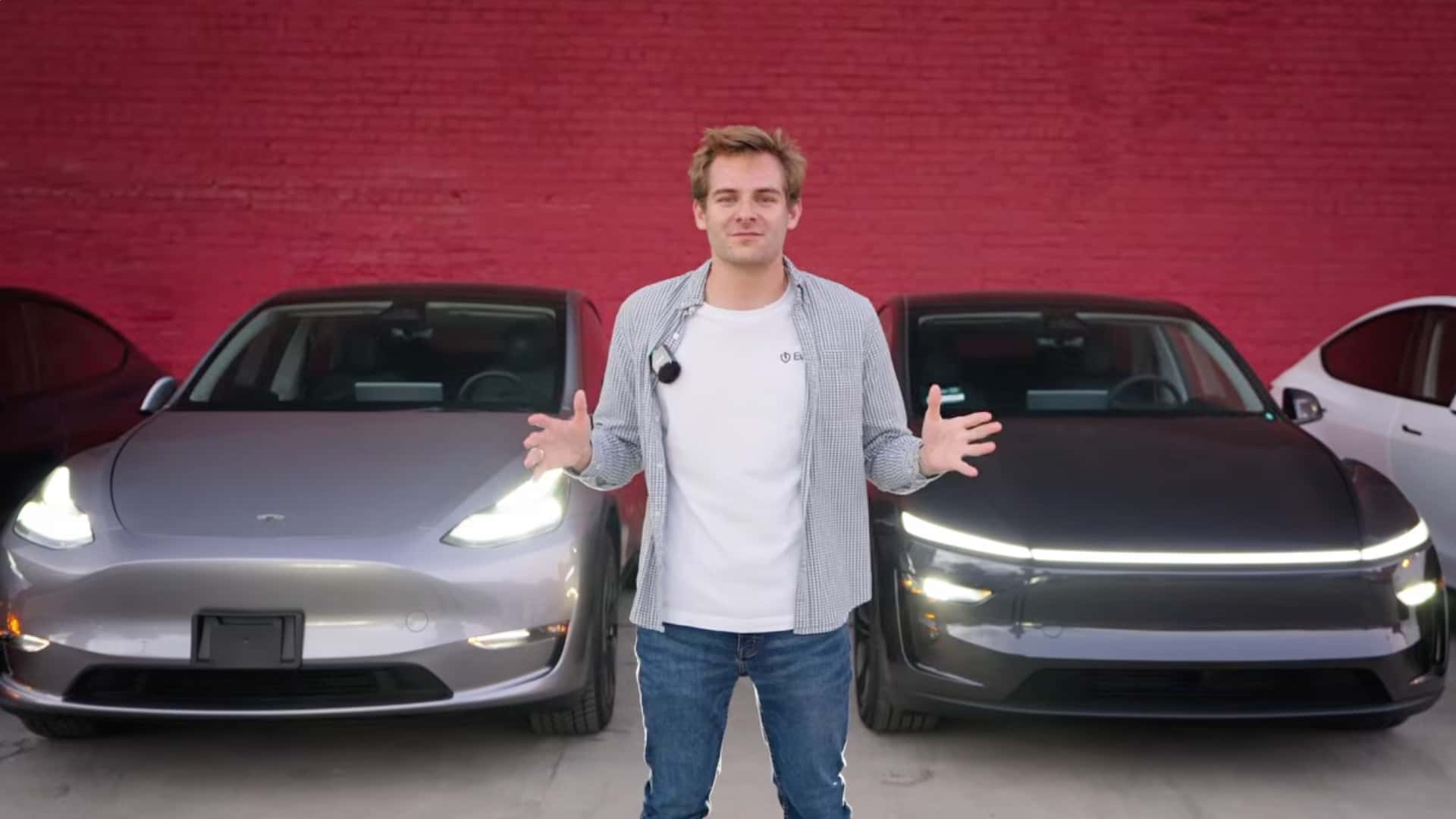
Andrew Lambrecht, a respected contributor to InsideEVs and an electric vehicle expert, meticulously detailed these transformations in a recent video featured on the Ever YouTube channel. His comprehensive analysis, which brought together different Model Y model years, highlighted the surprising depth of these alterations. This deeper dive offers invaluable insights for anyone considering a new or used Tesla Model Y, illustrating how specific features and performance characteristics have varied significantly from one production run to the next.
Early Iterations: Decoding the 2020 Tesla Model Y
The inaugural 2020 Tesla Model Y set a high benchmark for the electric crossover market. From its inception, all original Model Y vehicles were equipped with what Tesla termed a ‘premium interior.’ This designation translated into a luxurious cabin experience, featuring heated seats not just for the front occupants but also for those in the second row, enhancing comfort during colder conditions. Furthermore, the audio experience was elevated by a sophisticated 15-speaker sound system, designed to deliver rich and immersive acoustics throughout the cabin.
Interior Luxuries and Hidden Upgrades in 2020
Despite these premium offerings, the early 2020 Model Y models had distinct characteristics that later evolved. One notable omission was the heated steering wheel, a feature that many drivers now consider essential for cold-weather driving comfort. The center console of these initial vehicles was finished in a glossy black plastic, a design choice that, while sleek, was prone to showing fingerprints and minor scratches. This aesthetic detail became a point of discussion among enthusiasts and consumers.

Another significant, yet less immediately visible, difference concerned the windows. Early production builds of the 2020 Tesla Model Y featured single-pane windows. This standard construction, while functional, offers less insulation against external noise and temperature fluctuations compared to more advanced glazing. Interestingly, later production runs within the very same 2020 model year quietly transitioned to dual-pane windows. This unannounced upgrade significantly improved cabin quietness and thermal efficiency, demonstrating Tesla’s continuous, often silent, engineering improvements.
Expanding Options: The 2021 Model Year Enhancements
The 2021 model year for the Tesla Model Y introduced several refinements, building upon the foundation laid by its predecessor. One of the most significant improvements for this year was a slight increase in the vehicle’s overall range, directly addressing a primary concern for many electric vehicle buyers. This enhancement provided drivers with greater confidence for longer journeys and reduced the frequency of charging stops, making the Model Y an even more practical choice for daily commuting and road trips.
Performance and Interior Refinements in 2021
Beyond range improvements, the 2021 Model Y also saw a brief, albeit notable, experiment with a ‘Standard Range’ version. This variant, designed to offer a more accessible entry point into the Model Y lineup, had a remarkably short production run, lasting only about a month. Its limited availability makes it a rare find for those interested in the Model Y’s diverse configurations.
Interior updates in 2021 also addressed some of the previous year’s feedback. The glossy black plastic center console, which proved somewhat divisive, was replaced with an updated matte finish. This change not only offered a more modern aesthetic but also proved more resistant to visible wear and tear, enhancing the cabin’s long-term appeal. Crucially, the 2021 Tesla Model Y also incorporated a heated steering wheel, a welcome addition that significantly improved cold-weather driving comfort and user experience, rectifying a notable absence from the earlier models.
However, the 2021 Model Year also witnessed the subtle removal of a feature: passenger lumbar support. This change, typically implemented in later builds, meant that passenger-side occupants lost the ability to adjust the lower back support, a detail that could be significant for individuals prioritizing ergonomic comfort during extended travel. This highlights the dynamic nature of Tesla’s production adjustments, often balancing feature sets with manufacturing efficiencies.
Battery Innovations and Ride Comfort: The 2022 Updates
The 2022 model year for the Tesla Model Y was marked by pivotal advancements, particularly in battery technology and driving dynamics. A significant introduction was the ‘Standard Range All-Wheel Drive’ variant, which notably featured Tesla’s highly anticipated 4680 battery cells. These larger, tabless cells were expected to deliver improvements in energy density, manufacturing efficiency, and structural integration, promising a new era for Tesla’s electric vehicles.
Introducing 4680 Cells and Suspension Adjustments
Despite the promise of the 4680 cells, the 2022 Standard Range All-Wheel Drive model presented a specific challenge in its charging profile. As observed by experts like Andrew Lambrecht, this particular Model Y variant exhibited unusually slow charging speeds compared to other Tesla models. The charging rate was noted to drop significantly, often falling below 100 kW, particularly after the battery reached approximately a 30% state of charge. This characteristic impacted the overall practicality and convenience of long-distance travel, requiring longer stops at charging stations.
Interior refinements continued in 2022, with later production models receiving updated cabin elements, including stylish wood trim integrated into the door cards. This addition aimed to elevate the premium feel of the Model Y’s interior, providing a more cohesive and luxurious aesthetic. Furthermore, these later 2022 models were equipped with manual backup releases for the rear doors, a crucial safety feature that allows occupants to exit the vehicle even in the event of power failure, enhancing emergency preparedness.
Addressing a long-standing criticism regarding the Tesla Model Y’s ride quality, some 2022 models also received a ‘comfort suspension.’ The Model Y had frequently been characterized by a relatively stiff ride, which, while contributing to a sporty feel, could detract from passenger comfort on varied road surfaces. The introduction of this comfort-oriented suspension system represented a direct response to customer feedback, aiming to provide a smoother and more compliant driving experience without compromising the vehicle’s dynamic capabilities.
Software Unlocks and Advanced Hardware: The 2023 Model Year
The 2023 Tesla Model Y brought forth significant technological upgrades, particularly in the realm of its autonomous driving capabilities. A pivotal development for this model year was the integration of ‘Hardware 4,’ the latest iteration of Tesla’s self-driving computer and sensor suite. This advanced hardware platform is indispensable for running the most current versions of Tesla’s Full Self-Driving (FSD) software, ensuring the vehicle is equipped to handle future advancements in autonomous technology and data processing requirements. For buyers keen on utilizing or subscribing to FSD, acquiring a Model Y with Hardware 4 became a critical consideration.
Hardware 4 and the Flexible Standard Range Option
Another intriguing feature introduced in 2023 was a new ‘Standard Range’ option that utilized the same battery pack as its longer-range counterparts. However, the available range in these specific models was initially ‘software locked.’ This innovative approach meant that while the physical battery capacity was identical to more expensive versions, a portion of that capacity was electronically restricted, limiting the vehicle’s total usable range. This strategy provided a lower entry price point for consumers while offering a unique upgrade path.
Owners of these software-locked 2023 Tesla Model Y vehicles were presented with the option to pay Tesla a fee to unlock the additional battery capacity, thereby extending their vehicle’s range by up to 50 miles. This flexibility transformed these models into a potentially advantageous proposition, as they could be considered a ‘sleeper deal’ for buyers willing to invest later for an expanded range. It offered a cost-effective way to acquire a Model Y with underlying long-range hardware, providing a compelling blend of initial affordability and future upgradeability in the evolving EV market.
Anticipating the Juniper Refresh: 2024-2026 Models
While the years 2024 and 2025 saw some minor, unspecified updates to the Tesla Model Y, the most substantial overhaul in its six-year history is anticipated with the ‘Juniper’ refresh, projected for the 2026 model year. This refresh is not just another series of incremental tweaks but represents a comprehensive redesign, promising a refreshed aesthetic and an array of new features that will significantly distinguish it from previous Model Y iterations. This forthcoming evolution underscores Tesla’s commitment to maintaining the competitiveness and appeal of its best-selling electric SUV.
The ‘Juniper’ refresh is expected to introduce entirely new front and rear fascias, complete with updated light bars that align with Tesla’s evolving design language, mirroring the refreshed Model 3 ‘Highland.’ These exterior modifications will provide a more modern and aerodynamic appearance. Furthermore, a highly anticipated upgrade is the widespread adoption of dual-pane windows throughout the vehicle, including the rear. This enhancement is set to deliver superior acoustic insulation and improved thermal efficiency, significantly elevating the comfort and refinement of the cabin environment for all occupants.
Beyond these visible changes, the ‘Juniper’ refresh is slated to incorporate a host of other unconfirmed but widely speculated changes. These extensive updates signify a major milestone in the Model Y’s lifecycle, bringing it closer to the cutting-edge of electric vehicle design and technology. The anticipation surrounding this refresh highlights the continuous innovation inherent in the Tesla Model Y’s journey, making each model year a distinct chapter in its ongoing evolution.
A Continuous Journey of Refinement
The journey of the Tesla Model Y since its 2020 debut is a testament to Tesla’s iterative design and manufacturing philosophy. Rather than waiting for grand, infrequent overhauls, the company has consistently introduced a surprising array of subtle yet impactful changes, often without significant fanfare. These range from the pragmatic shift to dual-pane windows for enhanced comfort to the strategic integration of advanced hardware for autonomous driving and the innovative use of software-locked battery capacities.
This continuous evolution means that no two Tesla Model Y production years are exactly alike. The variations in interior materials, comfort features, battery technologies, and fundamental hardware components provide a rich tapestry of options for consumers navigating the new and used electric vehicle market. Understanding these nuanced differences, as meticulously cataloged by experts, empowers buyers to make informed decisions that align with their specific priorities, whether they prioritize early premium features, enhanced ride comfort, or cutting-edge autonomous capabilities.
Ultimately, the Tesla Model Y’s ongoing transformation underscores the dynamic nature of the electric vehicle industry. Each subtle adjustment, each technical upgrade, contributes to a continually evolving product that remains at the forefront of innovation. As the Model Y progresses towards its ‘Juniper’ refresh and beyond, its history of adaptive development assures that Tesla will continue to refine and enhance this influential electric SUV, solidifying its legacy as a trailblazer in sustainable transportation.
Frequently Asked Questions (FAQs) About the Tesla Model Y
What were the initial interior features of the 2020 Tesla Model Y?
The original 2020 Tesla Model Y came standard with a premium interior, which included heated seats for both front and rear passengers, alongside a sophisticated 15-speaker sound system. However, it initially lacked a heated steering wheel and featured a glossy black plastic center console that was later updated in subsequent model years.
How did the 2021 Model Year address range and interior design?
The 2021 Tesla Model Y saw a slight increase in overall range, enhancing its appeal for longer journeys. Interior updates included an improved matte finish for the center console, replacing the earlier glossy plastic. Additionally, a heated steering wheel was introduced, though passenger lumbar support was removed in later 2021 builds.
What significant changes were introduced with the 2022 Tesla Model Y?
In 2022, Tesla launched the Standard Range All-Wheel Drive Model Y, incorporating the new 4680 battery cells. This variant, however, was noted for its unusually slow charging speeds after around 30% state of charge. Later 2022 models also received interior wood trim on door cards and a ‘comfort suspension’ to address ride stiffness.
What is the relevance of Hardware 4 in the 2023 Tesla Model Y?
The 2023 Tesla Model Y introduced Hardware 4, an essential upgrade for running the latest iterations of Tesla’s Full Self-Driving (FSD) software. This advanced hardware platform provides enhanced processing power and improved sensor capabilities, crucial for the vehicle’s evolving autonomous driving features and future technological advancements.
What is the ‘software locked’ range option for the 2023 Model Y?
In 2023, certain Standard Range Model Y vehicles featured a battery pack identical to longer-range models, but a portion of its capacity was software locked. Owners could pay Tesla a fee to unlock up to an additional 50 miles of range, making these cars a potential ‘sleeper deal’ for those seeking future upgrade flexibility.
What can be expected from the ‘Juniper’ refresh for future Model Y versions?
The ‘Juniper’ refresh, anticipated for 2026, promises a comprehensive overhaul for the Tesla Model Y. Key changes are expected to include new front and rear designs with updated light bars, dual-pane windows throughout the vehicle for improved acoustics and thermal efficiency, and numerous other internal and external enhancements yet to be fully detailed.