
America’s electric vehicle (EV) tax credits are set to become significantly more accessible, fundamentally altering how consumers can benefit from incentives for clean energy vehicles. Starting January 2024, the process shifts from a post-purchase tax refund to an immediate discount at the point of sale, a move anticipated to accelerate EV adoption across the nation.
This critical update, stemming from the Inflation Reduction Act of 2022, means prospective buyers of new and used ‘clean vehicles’ can now directly transfer the **electric car tax credit** amount to dealerships or retail locations. This translates into a substantial reduction in the upfront purchase price, eliminating the previous wait for a refund during tax season.

Key Takeaways (TL;DR)
- The **electric car tax credit** transitions from a tax refund to an immediate point-of-sale discount starting January 2024.
- Buyers can receive the full credit amount upfront, regardless of their tax liability.
- Dealerships must register with the IRS Energy Credits Online portal to facilitate these instant transfers.
- Income limits for buyers and MSRP caps for vehicles remain in effect; exceeding income limits necessitates repayment of the credit.
- New EVs must meet stringent North American assembly and battery component sourcing requirements.
- Used EVs also qualify for a credit under specific age, price, and transfer conditions.
- A potential ‘loophole’ allows for combined lease and subsequent purchase credits, offering up to $11,500 in total incentives.
Understanding the Shift: Immediate Discounts for Electric Car Tax Credit
The core of the upcoming change is the ability for consumers to apply the **electric car tax credit** directly at the time of purchase or lease. This immediate financial benefit is expected to significantly reduce the barrier to entry for many who have considered buying an EV but were deterred by the upfront cost and the delay in receiving the tax credit.
Under the revised regulations, a dealership or retail outlet will deduct the eligible credit amount from the vehicle’s sale price. Subsequently, the Internal Revenue Service (IRS) will reimburse the dealership within 72 hours of a successfully completed transaction, streamlining the financial process for all parties involved.
This pivotal amendment was an integral part of the Inflation Reduction Act when it was signed into law in August 2022. While the legislation initially mentioned the point-of-sale feature would commence in 2024, the operational details remained unclear until the IRS recently made this information public, providing much-needed clarity for both consumers and the automotive industry.

A Brief History of US Electric Car Tax Credits
Tax incentives for clean vehicles are not a novel concept in the United States. For over a decade, buyers of new plug-in hybrids, fuel cell electric vehicles (FCEVs), and battery electric vehicles (BEVs) have been eligible for tax credits, typically up to $7,500. This framework largely persisted until January 1, 2023.
The implementation of the Inflation Reduction Act (IRA) provisions at the start of 2023 marked a significant departure from previous policies. The new **electric car tax credit** structure was designed to favour vehicles and battery components manufactured and assembled in North America, with the aim of bolstering domestic supply chains and manufacturing capabilities.
Initial IRA Restrictions and Their Impact (2023)
The introduction of the IRA’s provisions had an immediate impact on which vehicles qualified for the **electric car tax credit**. A substantial number of electrified models lost their eligibility due to their manufacturing origins outside North America.
For instance, popular models such as the Chinese-made Polestar 2, the British-built Mini Cooper SE, and the German-manufactured BMW i4 were among those that no longer qualified for the incentive, solely based on their final assembly location.
Beyond geographical requirements, the IRA also introduced strict vehicle Manufacturer’s Suggested Retail Price (MSRP) caps. Sedans were limited to $55,000, while trucks and SUVs faced an $80,000 cap. Used clean vehicles, for their part, were capped at a more restrictive $25,000.
These caps meant that some higher-priced luxury EVs, like certain Lucid models, no longer enabled their customers to avail the **electric car tax credit** due to their premium pricing.
Furthermore, the IRA established income limits for buyers seeking to claim the credit. For new EV purchases, joint filers faced a $300,000 income cap, heads of household $225,000, and single filers $150,000. These thresholds were even stricter for used EV purchases, set at $150,000 for joint filers, $112,500 for heads of household, and $75,000 for single filers.
The Non-Refundable Nature (Pre-2024)
Despite these new additions, the fundamental mechanism of the **electric car tax credit** remained largely the same throughout 2023. The credit was non-refundable, meaning a buyer could only reduce their tax liability by the amount of the credit, up to their total tax owed.
For example, if a buyer was eligible for a $7,500 credit but only owed $5,000 in taxes for the year, they could only utilize $5,000 of the credit. The remaining $2,500 would effectively be forfeited.
This characteristic was a significant point of criticism, as it disproportionately affected individuals with lower tax burdens or those who already had numerous tax write-offs. Such buyers could not fully benefit from the incentive, making EVs less accessible for a broader demographic. The upcoming changes aim to rectify this imbalance, making the full credit universally accessible at the point of sale.
Navigating the 2024 Changes: Requirements and Implications
The shift to a point-of-sale system for the **electric car tax credit** is poised to democratize access to clean vehicles. However, it comes with specific operational requirements and financial implications that buyers and dealers must understand.
Dealer Registration and Transaction Process
For a vehicle purchase to qualify for the immediate credit transfer, participating dealerships must first register with the new IRS Energy Credits Online website. This online portal is crucial for dealers to become certified and facilitate the direct transfer of the **electric car tax credit** to consumers at the time of purchase.
Once registered, the dealership can instantly apply the credit amount as a discount on the vehicle’s price. The IRS’s commitment to reimbursing the dealership within 72 hours is intended to alleviate concerns about cash flow for dealers, a worry that some, including *Motor Trend*, have highlighted given the federal government’s historical pace of operations.
Benefiting from the Full Credit
A significant advantage of the 2024 changes is that consumers can now benefit from the full **electric car tax credit** amount, regardless of their individual tax burden. This is a fundamental departure from the previous non-refundable system.
Using the earlier example, a buyer with a $5,000 tax liability can now receive the full $7,500 reduction at the dealership. This means they effectively receive a larger discount on the vehicle and will not owe the IRS any amount for the credit during tax season, provided they meet all other eligibility criteria.
Income Thresholds and Repayment Obligations
While the point-of-sale system offers immediate benefits, the existing income caps for the **electric car tax credit** remain. This means buyers must still adhere to the predefined adjusted gross income (AGI) limits: $300,000 for joint filers, $225,000 for heads of household, and $150,000 for single filers.
Critically, if a buyer receives the point-of-sale credit but subsequently exceeds their applicable income limit by the end of the tax year, they will be obligated to repay the entire **electric car tax credit** amount to the IRS. For instance, a single filer earning $150,001 would have to repay the $7,500 credit received. Buyers on the cusp of these income thresholds might consider claiming the credit normally during tax season, rather than at the point of sale, to mitigate this risk.
Vehicle Eligibility Criteria
For new electrified vehicles to qualify for the **electric car tax credit**, they must satisfy several key criteria. They are required to have a battery capacity of at least 7-kilowatt hours and undergo final assembly in North America. Additionally, these vehicles must meet specific critical mineral and battery component sourcing requirements, largely aimed at reducing reliance on non-allied nations for these essential materials.
Here are some of the qualifying vehicles and their applicable credit values as of the latest IRS guidance:
Vehicles with a $55,000 MSRP Cap
- Chevrolet Bolt EV: $7,500 credit
- Chevrolet Bolt EUV: $7,500 credit
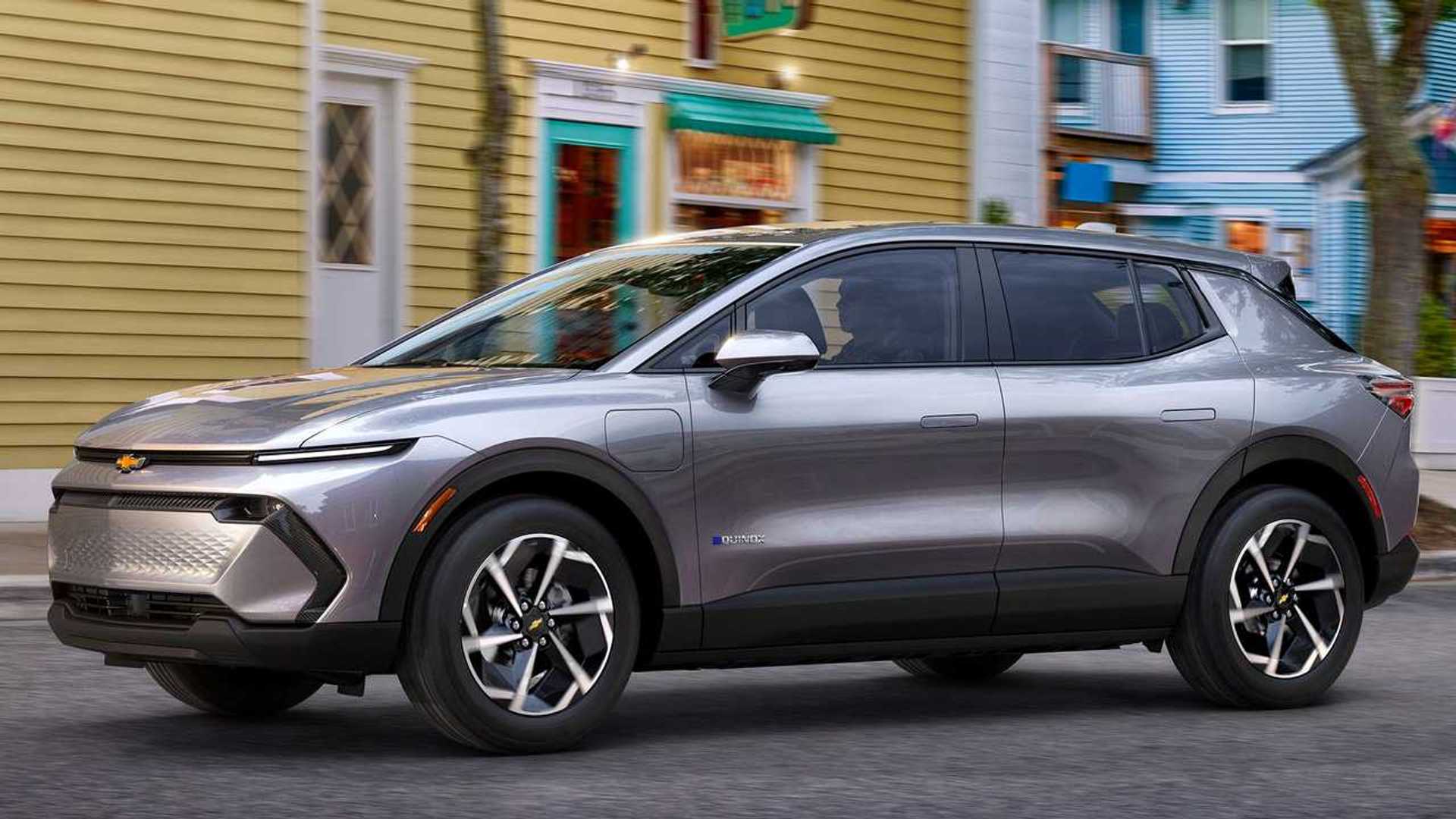
- Chevrolet Equinox EV: $7,500 credit
- Tesla Model 3: $7,500 credit
Vehicles with an $80,000 MSRP Cap
- Cadillac Lyriq: $7,500 credit
- Chevrolet Blazer EV: $7,500 credit
- Chevrolet Silverado EV: $7,500 credit
- Chrysler Pacifica: $7,500 credit
- Corsair Grand Touring: $3,750 credit
- Ford E-Transit: $3,750 credit
- Ford Escape: $3,750 credit
- Ford F-150 Lightning: $7,500 credit
- Ford Mustang Mach-E: $3,750 credit
- Jeep Grand Cherokee 4xe: $3,750 credit
- Lincoln Aviator Grand Touring: $7,500 credit
- Rivian R1S: $3,750 credit
- Rivian R1T: $3,750 credit
- Tesla Model X Long Range: $7,500 credit
- Tesla Model Y: $7,500 credit
- Volkswagen ID.4: $7,500 credit
- X5 xDrive50e 2024: $3,750 credit
Criteria for Used Electric Car Tax Credit
Used clean vehicles, encompassing FCEVs, plug-in hybrids, and pure EVs, can also qualify for a dedicated **electric car tax credit** of up to $4,000. To be eligible, these vehicles must possess a battery size of at least 7 kilowatt hours and be at least two model years old.
Furthermore, the sale price must be under $25,000, and the vehicle must not have been transferred to a qualified buyer after August 16, 2022. This latter condition prevents a used EV from receiving multiple credits if it was already purchased second-hand after the specified date.
For consumers seeking to verify the eligibility of a pre-owned vehicle, resources like Recurrent’s EV Qualification Tool can assist prospective owners in determining if their desired vehicle meets the necessary criteria for the used **electric car tax credit**.
Strategic Leasing and Purchase Opportunities
An interesting facet of the revised **electric car tax credit** system involves a potential strategy for maximizing incentives through leasing. Under current regulations, the credit can be effectively built into lease payments for any EV, irrespective of its manufacturing location. This offers a broad advantage for consumers who might otherwise be excluded from credits due to specific vehicle sourcing requirements.
Should an individual choose to buy out the leased vehicle at the end of the term for less than $25,000, they could then become eligible for the $4,000 used EV credit on that purchase. This strategic approach could potentially allow a savvy buyer to secure a total of $11,500 in combined tax credits for the same vehicle (the implicit credit from the lease, plus the used EV credit upon purchase), representing a significant financial incentive.
The Broader Impact on the Automotive Landscape
The revamped **electric car tax credit** program represents the most substantial change for both new and used EV consumers since its original implementation under the Inflation Reduction Act. The integration of a point-of-sale feature is set to provide unprecedented purchasing stimuli, potentially leading to a drastic reduction in the effective price of electric cars for a wider range of buyers.
By making clean vehicles more financially accessible and immediately affordable, these updated rules are expected to have a profound and transformative impact on the automotive market, accelerating the transition towards electrification across the United States. This move underscores a clear commitment to fostering a more sustainable transportation ecosystem.
Frequently Asked Questions (FAQs)
Can I get the full electric car tax credit even if my tax burden is less than the credit amount?
Yes. Unlike the previous system, the 2024 point-of-sale **electric car tax credit** allows you to receive the full benefit as an immediate discount on the purchase price, regardless of your personal tax liability for the year. This ensures maximum utility of the incentive.
What happens if my income exceeds the limit after I receive the point-of-sale credit?
If your adjusted gross income (AGI) surpasses the applicable limit for the tax year in which you received the point-of-sale **electric car tax credit**, you will be required to repay the entire incentive amount to the IRS when filing your taxes. It is crucial to monitor your income.
Does the MSRP cap apply to the vehicle’s base price or the final price with options?
The MSRP cap for the **electric car tax credit** applies to the final Manufacturer’s Suggested Retail Price of the vehicle, including any factory-installed options. If the final price with options exceeds the cap ($55,000 for sedans, $80,000 for trucks/SUVs), the vehicle will not qualify for the credit.
Are all electric vehicles eligible for the point-of-sale tax credit in 2024?
No, not all electric vehicles will be eligible. New EVs must meet specific criteria, including a minimum 7-kilowatt hour battery capacity, final assembly in North America, and compliance with critical mineral and battery component sourcing requirements to qualify for the **electric car tax credit**.
Can I still claim the electric car tax credit on my tax return instead of at the point of sale?
Yes, buyers still have the option to claim the **electric car tax credit** when filing their annual tax return, rather than receiving it as a point-of-sale discount. This might be a prudent choice for individuals whose income is close to the eligibility thresholds, to avoid potential repayment obligations.
What makes a used EV eligible for the $4,000 credit?
For a used EV to qualify, it must be at least two model years old, have a battery capacity of at least 7 kWh, and be sold for under $25,000. Additionally, it must not have been transferred to a qualified buyer after August 16, 2022. This ensures the credit is primarily for vehicles entering the used market for the first time post-IRA.