
America’s electric vehicle (EV) tax credits are poised for a significant transformation, promising unprecedented accessibility for consumers. From January 2024, the process for claiming these incentives will shift dramatically, evolving from a post-purchase tax refund mechanism to an immediate point-of-sale discount. This pivotal change is set to make acquiring electric vehicles considerably more affordable, potentially accelerating the nation’s transition to sustainable transportation.
For prospective buyers of new and eligible used clean vehicles, the updated system means a direct reduction in the purchase or lease price. Dealerships will be empowered to apply the credit amount upfront, effectively allowing consumers to drive away with an EV at a substantially lower cost, eliminating the waiting period for a tax refund in the following year. The Internal Revenue Service (IRS) will subsequently reimburse participating dealerships, typically within 72 hours of a completed transaction.

Key Takeaways
- **Immediate Savings:** Starting January 2024, eligible EV tax credits will be applied as an upfront discount at the point of sale, rather than a tax credit claimed during filing.
- **Enhanced Accessibility:** This change benefits individuals with lower tax burdens, enabling them to realize the full value of the credit (up to $7,500 for new EVs, $4,000 for used EVs) regardless of their annual tax liability.
- **Dealer Registration Mandate:** Dealerships must register with the IRS Energy Credits Online system to facilitate the transfer of these credits.
- **Income Caps Remain:** Existing income thresholds for buyers still apply. Exceeding these limits post-purchase will necessitate repayment of the credit to the IRS.
- **Strict Eligibility:** Vehicle qualifications, including North American final assembly, critical mineral sourcing requirements, and MSRP caps, largely persist for new vehicles. Used EVs have specific age, price, and transfer criteria.
- **Leasing Advantage:** A potential strategy involves leasing an EV (where credits are embedded in payments regardless of origin), and then purchasing the vehicle at lease end for under $25,000 to qualify for an additional used EV credit.
A Shifting Landscape for EV Incentives
The concept of tax incentives for clean vehicles is not new to the U.S. market, with plug-in hybrids, fuel cell electric vehicles (FCEVs), and battery electric vehicles (BEVs) having qualified for tax credits up to $7,500 since the late 2000s. These incentives remained relatively stable for over a decade, aiming to stimulate demand for nascent electric vehicle technologies.
However, the landscape underwent a significant overhaul with the passage of the Inflation Reduction Act (IRA) in August 2022. This landmark legislation introduced a modernized framework for EV tax credits, fundamentally altering eligibility requirements and aiming to bolster domestic manufacturing and supply chains. While the original IRA legislation explicitly mentioned a point-of-sale feature commencing in 2024, the operational details remained unclear until now.
The Inflation Reduction Act and its Initial Impact
The IRA’s provisions, which came into effect on January 1, 2023, significantly prioritized electric vehicles and batteries manufactured and assembled in North America. This strategic shift was designed to foster a robust domestic EV ecosystem, reduce reliance on foreign supply chains, and create manufacturing jobs within the U.S.

The immediate consequence of these new rules was a substantial reduction in the number of electrified vehicles qualifying for the EV tax credit. Many popular models, including the Chinese-made Polestar 2, the British-built Mini Cooper SE, and the German-made BMW i4, lost their eligibility due to their manufacturing origins outside North America. This underscored the IRA’s clear mandate for geographical sourcing.
Beyond manufacturing location, the IRA also introduced strict Manufacturer’s Suggested Retail Price (MSRP) caps. These limits were set at $55,000 for sedans and $80,000 for trucks, vans, and SUVs. For used clean vehicles, a more stringent cap of $25,000 was imposed. These price ceilings meant that some premium or more expensive EV options, such as those from manufacturers like Lucid, no longer qualified for the credit, limiting access for buyers in higher price segments.
Another crucial addition by the IRA was the implementation of income limits for eligible buyers. For new EV purchases, joint filers faced a cap of $300,000, heads of household $225,000, and single filers $150,000. Used EV buyers encountered even stricter limits: $150,000 for joint filers, $112,500 for heads of household, and $75,000 for single filers. These income thresholds aimed to direct the EV tax credit benefits towards a broader range of consumers, rather than disproportionately benefiting high-income earners.
Crucially, the credit remained non-refundable in its initial iteration under the IRA. This meant that if a buyer claimed a $7,500 credit but only owed $5,000 in federal taxes, they could only reduce their tax liability by $5,000, forfeiting the remaining $2,500. This limitation was a point of concern for critics, as it prevented individuals with lower tax burdens or those with numerous write-offs from fully utilizing the incentive. The forthcoming changes aim to directly address this critical issue.
The Transformative Changes for 2024
Effective next year, the introduction of the point-of-sale transfer mechanism represents a paradigm shift in how consumers access the EV tax credit. Instead of waiting for their annual tax filing, buyers will receive the price reduction directly at the time of purchase, making EV ownership immediately more accessible and financially viable.
To facilitate this, dealerships intending to transfer the credit must first register with the new IRS Energy Credits Online platform. This registration ensures that only authorized dealers can process the immediate discount, creating a streamlined and verifiable system for both consumers and the government.
One of the most impactful aspects of this revision is its benefit to individuals with lower tax liabilities. Under the new system, a buyer who, for instance, has an annual tax burden of $5,000 can still receive the full $7,500 reduction on their new EV purchase. They will not be required to repay the difference to the IRS come tax season, effectively making the credit fully refundable at the point of sale. This dramatically broadens the reach of the incentive, ensuring more consumers can benefit from the full intended value.
However, it is vital for consumers to remain cognizant of the income caps. If a buyer, after receiving a point-of-sale credit, finds their income exceeds the applicable threshold by the end of the year, they will be required to repay the full credit amount to the IRS. For example, a single filer earning $150,001 in a given year who received a $7,500 upfront discount would be obligated to return that entire sum. This necessitates careful financial planning, especially for those whose incomes fluctuate or are close to the stated limits.
Consumers also retain the option to claim the credit normally during tax season, rather than at the point of sale. This could be a strategic choice for individuals who anticipate their income might hover near the eligibility thresholds, providing flexibility and mitigating the risk of repayment.
New Vehicle Eligibility Requirements
For new electrified vehicles to qualify for the EV tax credit, several stringent criteria must be met. These include a minimum battery capacity of 7-kilowatt hours, final assembly within North America, and adherence to critical mineral and battery component sourcing requirements, largely precluding components from countries identified as foreign entities of concern.
Here is a list of qualifying vehicles, subject to the MSRP caps:
Vehicles with a $55,000 MSRP Cap (Typically sedans)
- Chevrolet Bolt EV: $7,500 credit
- Chevrolet Bolt EUV: $7,500 credit
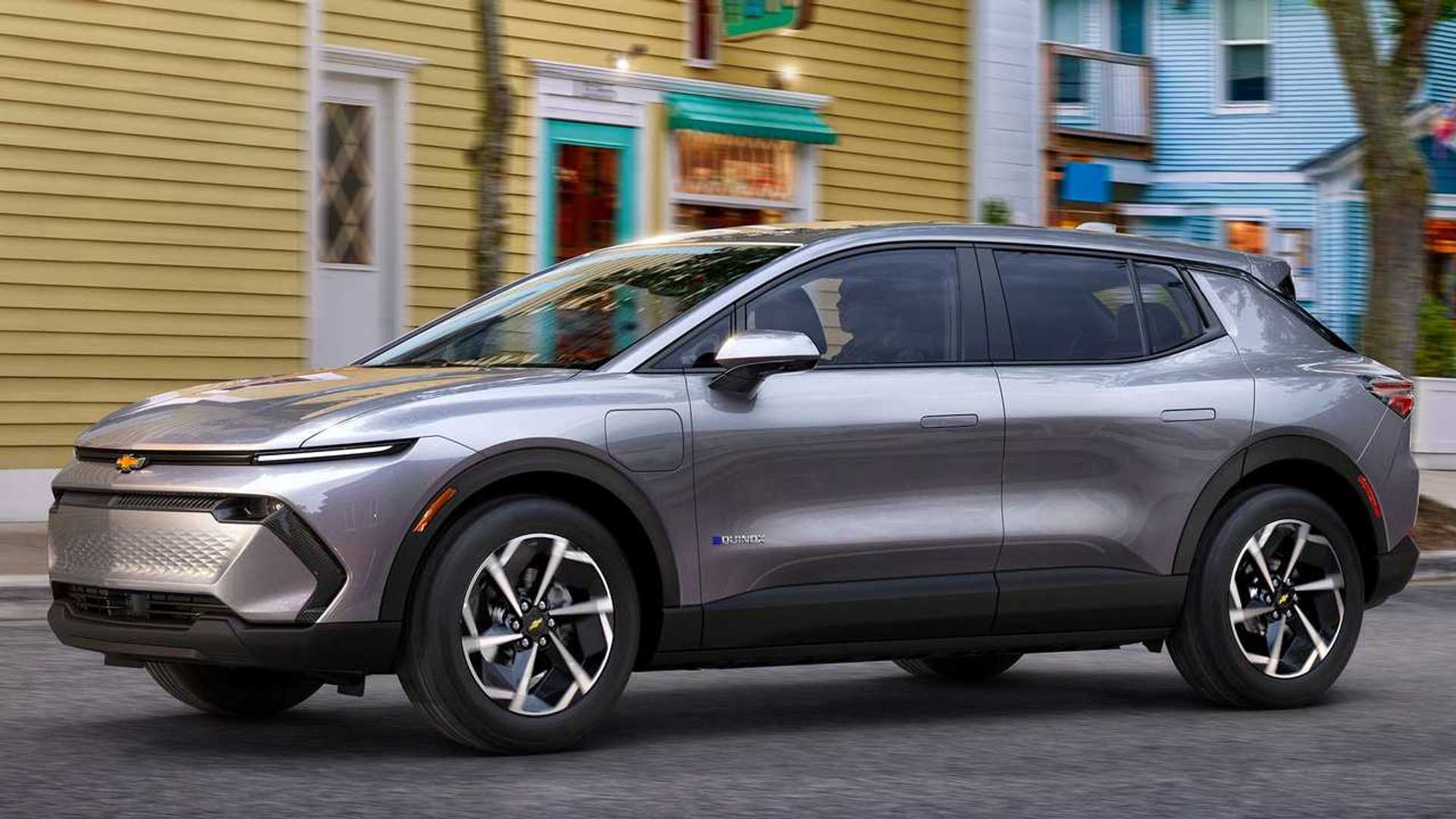
- Chevrolet Equinox EV: $7,500 credit
- Tesla Model 3: $7,500 credit
Vehicles with an $80,000 MSRP Cap (Typically trucks, vans, and SUVs)
- Cadillac Lyriq: $7,500 credit
- Chevrolet Blazer EV: $7,500 credit
- Chevrolet Silverado EV: $7,500 credit
- Chrysler Pacifica: $7,500 credit
- Corsair Grand Touring: $3,750 credit
- Ford E-Transit: $3,750 credit
- Ford Escape: $3,750 credit
- Ford F-150 Lightning: $7,500 credit
- Ford Mustang Mach-E: $3,750 credit
- Jeep Grand Cherokee 4xe: $3,750 credit
- Lincoln Aviator Grand Touring: $7,500 credit
- Rivian R1S: $3,750 credit
- Rivian R1T: $3,750 credit
- Tesla Model X Long Range: $7,500 credit
- Tesla Model Y: $7,500 credit
- Volkswagen ID.4: $7,500 credit
- X5 xDrive50e 2024: $3,750 credit
Used Vehicle Eligibility Requirements
The updated rules also extend benefits to pre-owned clean vehicles, which can include FCEVs, plug-in hybrids, or pure EVs. To qualify for the $4,000 used EV tax credit, these vehicles must possess a battery size of at least 7 kilowatt hours, be at least two model years old, and sell for a price under $25,000. A critical condition is that the vehicle must not have been transferred to a qualified buyer after August 16, 2022, ensuring that the used credit is not claimed multiple times on the same vehicle within a short period.
Prospective buyers seeking to verify the eligibility of a used vehicle can utilize tools such as Recurrent’s EV Qualification Tool, which provides valuable insights into whether a desired pre-owned electric vehicle meets the specific criteria for the tax credit.
Strategic Financial Planning: The Leasing Advantage
For savvy consumers, a notable financial strategy exists that could potentially maximize the benefits of the EV tax credit. This involves leasing an electric vehicle, where the credit is often factored into the lease payments, irrespective of the vehicle’s manufacturing location. This initial advantage provides immediate, albeit indirect, savings.
Subsequently, if the lessee agrees to purchase the vehicle at the end of the lease term for a price under $25,000, they could then qualify for the $4,000 used EV credit on that buyout. This strategic approach could effectively allow a buyer to realize a combined benefit of up to $11,500 in incentives, making EV ownership even more financially attractive.
Impact and Outlook for the EV Market
The revised EV tax credit, particularly its point-of-sale feature, represents arguably the most substantial enhancement for both new and used EV consumers since the IRA’s inception. By offering unparalleled purchasing stimuli, these changes have the potential to significantly reduce the upfront cost of electric cars, thereby stimulating demand and accelerating EV adoption.
This initiative aligns with broader governmental goals to encourage the shift towards cleaner transportation, reduce carbon emissions, and strengthen domestic industrial capabilities. By making clean vehicles more financially accessible across a wider demographic, these updated rules are set to further transform the automotive landscape, pushing the electric vehicle market towards greater maturity and widespread integration.
The success of this program will depend on seamless implementation by dealerships and clear communication from the IRS regarding eligibility and repayment obligations. As the automotive sector continues its rapid evolution, these robust incentives are poised to play a crucial role in shaping consumer choices and advancing the electric revolution.
FAQs
Frequently Asked Questions
No. With the new point-of-sale system, you will receive the full credit amount as an upfront discount, regardless of your total tax liability, and will not owe the IRS the difference.
If your modified adjusted gross income surpasses the applicable income cap for the year you claimed the point-of-sale credit, you are legally obligated to repay the full incentive amount to the IRS when filing your taxes.
No. The final Manufacturer’s Suggested Retail Price (MSRP) of the vehicle, including all options and accessories, must remain strictly under the specified cap for the vehicle to qualify for the EV tax credit.
Yes, consumers retain the option to forgo the point-of-sale discount and claim the eligible EV tax credit when filing their annual tax returns. This may be a strategic choice for those uncertain about their year-end income.
Key requirements for new EVs include having a battery capacity of at least 7-kilowatt hours, final assembly in North America, and meeting specific critical mineral and battery component sourcing stipulations outlined by the Inflation Reduction Act.
Used EVs must be at least two model years old, have a battery capacity of at least 7 kWh, be sold for under $25,000, and not have been previously transferred to a qualified buyer after August 16, 2022. They can be FCEVs, plug-in hybrids, or pure EVs.