
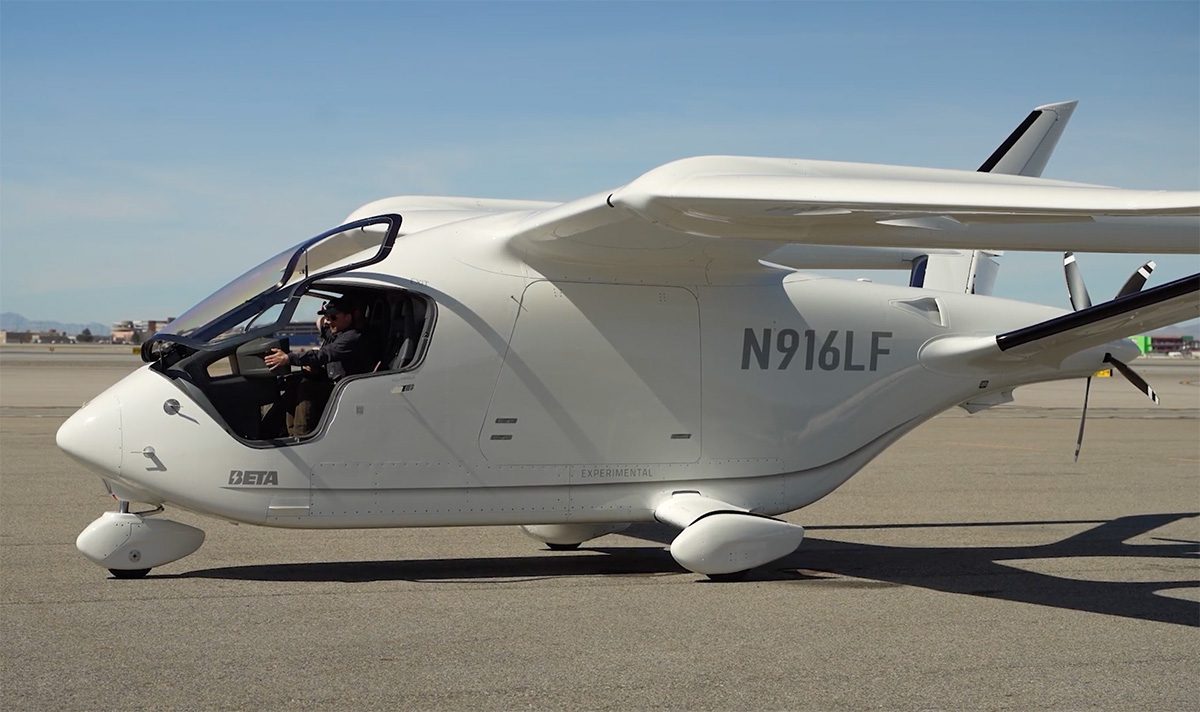
The Utah Department of Transportation (UDOT) is set to lead a significant federal pilot program focused on testing and integrating electric vertical takeoff and landing (eVTOL) aircraft and other nascent aviation technologies into real-world operational environments.
National Recognition for Aviation Innovation
The Federal Aviation Administration (FAA) has selected UDOT to spearhead one of eight crucial projects nationwide under the Electric Vertical Takeoff and Landing (eVTOL) Integration Pilot Program. This ambitious three-year initiative is designed to facilitate the safe and effective incorporation of electric aircraft into the nation’s complex airspace system.

The uFLY Initiative: A Multi-State Collaboration
Dubbed the uFLY initiative, this program will see Utah leading a robust partnership. The collaboration extends across five states, including Oregon, Idaho, Arizona, and Oklahoma. Furthermore, the project will involve over 30 key industry partners and leading research institutions, pooling expertise and resources to rigorously test new aviation technologies and systematically gather vital operational data.
Prominent industry players involved in this groundbreaking initiative include BETA Technologies, Ampaire, Joby Aviation, Lockheed Martin, Future Flight Global, Alpine Air, Jump Aero, and 47G. Their participation underscores the broad industry interest and commitment to advancing the future of aviation.
Diverse Testing Environments
The testing phase will encompass a wide spectrum of operational settings across the western United States. This includes complex urban environments, expansive rural corridors, challenging mountainous terrains, and regions particularly vulnerable to wildfires. This diverse approach aims to simulate a comprehensive range of conditions that future aviation technologies will encounter.

Advanced Infrastructure for Data Collection
To support these extensive testing operations, UDOT Aeronautics will deploy its advanced mobile command centers. These units are equipped with sophisticated workstations and satellite connectivity, enabling crews to seamlessly interface with aircraft systems, monitor real-time video feeds and critical flight data, and effectively coordinate testing activities directly from the field. The portability of these command centers allows for deployment across the entire state, ensuring comprehensive data collection and robust support for the testing protocols.
Governor’s Vision for Economic Growth
Utah Governor Spencer Cox highlighted the state’s strategic position in this national endeavor. “Utah has built a national reputation as a home to innovation,” Governor Cox stated. “This partnership puts Utah at the forefront of the next generation of aviation technology while creating new opportunities for economic growth, research and workforce development across our state.”
State Senate’s Support for Technological Advancement
Echoing the Governor’s enthusiasm, Senate President Stuart Adams emphasized Utah’s unique qualifications for leading such a project. “With our strong aerospace sector, innovative research institutions and diverse landscape for real-world testing, Utah and our regional partners can help advance these technologies safely and effectively,” said Adams.
The program’s focus on eVTOL aircraft signifies a major step towards incorporating electric propulsion and advanced aerial mobility solutions into the existing transportation and aviation frameworks, promising a future of potentially cleaner, faster, and more accessible air travel.