
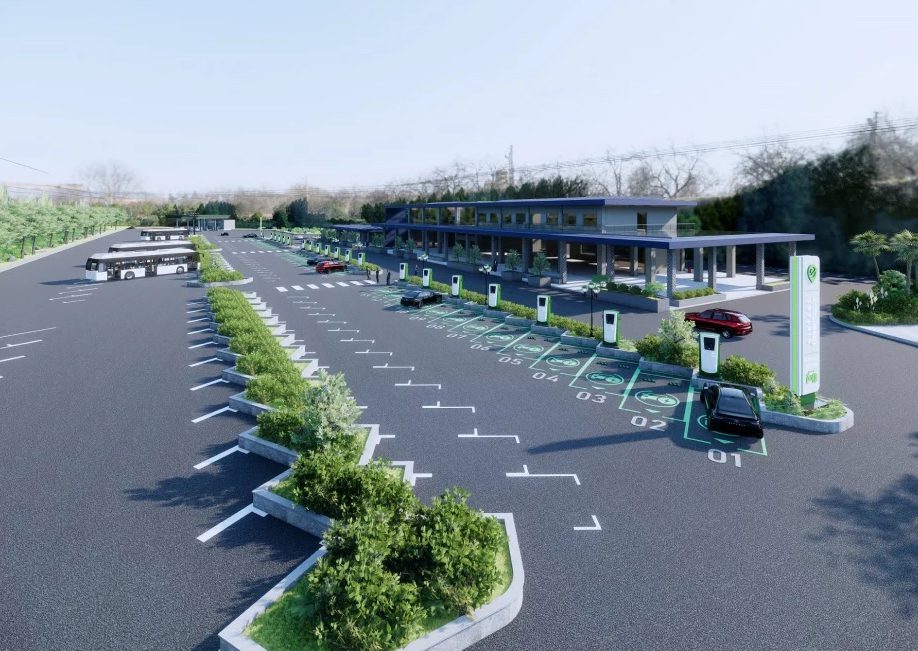
V-Green, the electric vehicle (EV) charging infrastructure provider recently spun off from the Vietnamese conglomerate Vingroup, has announced a substantial investment of 10 trillion Vietnamese Dong, equivalent to approximately $380 million. This significant capital injection is earmarked for the widespread deployment of a comprehensive EV charging network across Vietnam, marking a pivotal moment for the future of sustainable transportation in the nation.
Strategic Investment to Drive EV Adoption
The ambitious investment underscores V-Green’s commitment to building a robust and accessible charging ecosystem, a critical factor for accelerating the adoption of EVs in Vietnam. By strategically deploying advanced charging facilities, the company aims to dismantle key barriers to electric vehicle ownership, such as range anxiety and limited charging options, which have historically hindered market growth.

This financial commitment positions V-Green as a leading player in Vietnam’s burgeoning electric mobility sector. The move is expected to have far-reaching implications, not only for VinFast, Vingroup’s own EV brand, but also for the broader national push towards greener transport solutions and reduced carbon emissions.
Ambitious Nationwide Deployment Plans
According to reports from the Vietnam News Agency, V-Green’s immediate plans are highly focused on rapid expansion. By the close of this year, the company intends to establish an impressive 99 EV charging hubs strategically positioned along national and provincial highways throughout Vietnam. This network is designed to ensure seamless long-distance travel for electric vehicle users across the country.
Each of these planned hubs represents a significant commitment to high-capacity charging. They will be equipped with up to 100 individual charging points, each boasting a maximum capacity of 150 kW. This high power output ensures rapid charging capabilities, minimizing wait times and enhancing the convenience for EV drivers. The density of charging points within each hub is also designed to accommodate a high volume of vehicles, particularly during peak travel periods.
A Green Energy Backbone for Sustainable Mobility
A distinctive feature of V-Green’s new charging infrastructure is its unwavering commitment to sustainability. All charging stations within the expanding network are slated to operate exclusively on renewable energy sources. This fundamental aspect aligns with global efforts to decarbonize the transportation sector and reinforces Vietnam’s environmental goals.
To ensure consistent and reliable power supply, these stations will integrate advanced battery energy storage systems. These innovative systems are developed and produced by VinFast, which is Vingroup’s electric vehicle manufacturing arm. The incorporation of VinFast’s proprietary energy storage technology not only highlights Vingroup’s integrated approach to the EV ecosystem but also guarantees operational efficiency and stability for the charging network, even when grid supply fluctuates.
The reliance on renewable energy combined with sophisticated battery storage marks a significant step towards creating a truly sustainable transportation infrastructure for EVs in Vietnam. It demonstrates a holistic vision that extends beyond merely providing charging points to ensuring the entire energy supply chain is environmentally responsible.
Building Consumer Trust and Confidence
The deployment of such a comprehensive and technologically advanced charging network is expected to significantly bolster consumer confidence in electric vehicles. One of the primary concerns for potential EV buyers is the availability and reliability of charging infrastructure, especially for journeys beyond city limits.
Pham Thanh Thuy, Chairwoman and CEO of V-Green, articulated this vision, stating, “With 99 hubs in place, VinFast customers can travel long distances with full confidence, even during peak periods.” This statement directly addresses the ‘range anxiety’ often associated with EVs, assuring users of convenient charging options across the nation. The extensive network will ensure that drivers of EVs in Vietnam, particularly those opting for VinFast vehicles, can undertake extensive travel with the assurance of readily available power.
This strategic rollout is not only about convenience but also about fostering an environment where electric mobility becomes a practical and preferred choice for a wider segment of the population. Enhanced accessibility to charging facilities is a crucial catalyst for increasing the penetration of EVs in Vietnam’s automotive market.
Long-Term Vision and International Ambitions
V-Green’s plans extend far beyond the initial phase of 99 hubs. The company has articulated a highly ambitious long-term vision, aiming to deploy a staggering 500,000 charging ports across Vietnam by 2028. This monumental expansion would solidify Vietnam’s position as a leader in EV infrastructure development within Southeast Asia.
Furthermore, V-Green is not limiting its aspirations to the domestic market. The company also harbors intentions to expand its advanced EV charging infrastructure into international markets. This global outlook indicates V-Green’s confidence in its technology and business model, positioning it as a potential global player in the rapidly evolving electric mobility landscape.
The scale of V-Green’s proposed expansion underscores a robust strategy to meet the anticipated surge in demand for electric vehicles. Such foresight is essential for establishing a sustainable foundation for the future of EVs in Vietnam and potentially beyond its borders.
The Broader Impact on EVs in Vietnam
V-Green’s substantial investment represents a critical milestone for the development and widespread adoption of EVs in Vietnam. A well-developed charging network is an indispensable component of the broader electric vehicle ecosystem, directly influencing consumer purchasing decisions and overall market growth.
By making charging more accessible, reliable, and powered by renewable energy, V-Green is not only supporting VinFast’s sales but also contributing significantly to the national clean energy transition. This infrastructure development aligns with global sustainability trends and national policies aimed at reducing reliance on fossil fuels in the transport sector.
The initiative is poised to accelerate the transformation of Vietnam’s automotive industry, fostering innovation and contributing to a greener future for the nation. This strategic move could serve as a blueprint for other emerging economies looking to scale up their electric vehicle infrastructure efficiently and sustainably, solidifying the future of EVs in Vietnam.