
Key Takeaways:
- ViscoTec has introduced the ViscoTreat-I Slurry system, an integrated solution for battery electrode coating.
- The system combines material buffering, conditioning, and pulsation-free delivery into a single mobile unit.
- It is specifically designed to prevent coating irregularities caused by pressure variations, which degrade cell performance in lithium-ion battery production.
- Key features include a vipro-PUMP 500 dispenser, a vipro-DRIVE controller, and optional inline material degassing.
- The ViscoTreat-I boasts an operator-friendly design with easy access, simplified cleaning, and robust solvent-resistant materials, targeting small-scale series production.
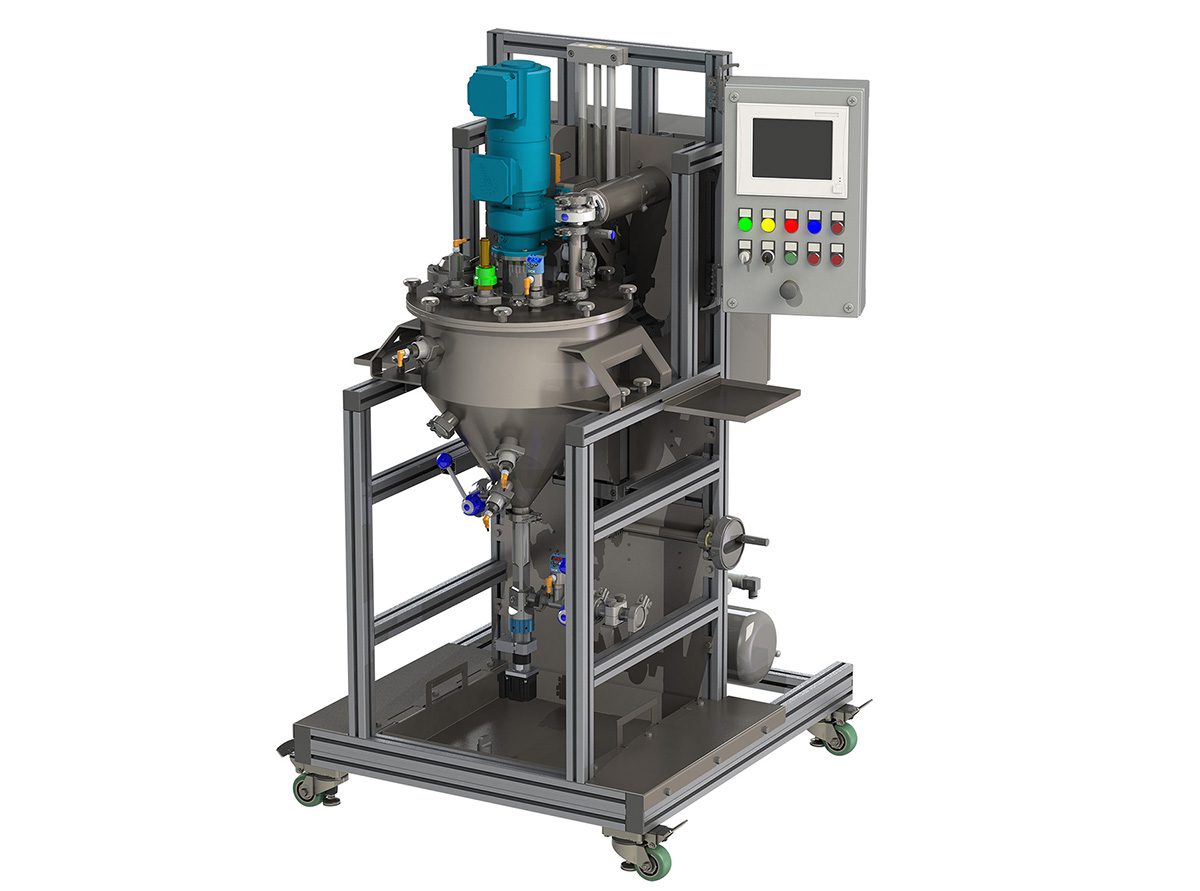
In a significant development for the burgeoning electric vehicle (EV) sector and beyond, ViscoTec, a prominent player in precision dispensing technology, has launched its innovative ViscoTreat-I Slurry feeding and conditioning system. This new offering aims to elevate the quality and consistency of battery electrode coating, a critical step in lithium-ion battery production. The system integrates essential functions of material buffering, conditioning, and pulsation-free delivery into a single, mobile unit, specifically designed to address the challenges faced in small-scale series production environments.

Ensuring Precision in Lithium-ion Battery Production
The manufacturing of lithium-ion batteries relies heavily on meticulous processes, with electrode coating standing out as a paramount factor influencing the final cell’s performance and longevity. Electrode coating slurry, a complex mixture comprising powdered active material, conductive carbon black, and a binder, must be processed and applied with extreme precision. Any deviation in this process can lead to significant issues.
A primary challenge in this intricate process is maintaining the homogenization of the slurry and ensuring its consistent, pressure-variation-free delivery to the coater. The presence of pulsations during the feeding stage is a critical concern. Such pressure fluctuations invariably cause coating irregularities, directly impacting the electrochemical performance of the battery cell and potentially shortening its lifespan. The ViscoTreat-I Slurry system directly confronts this challenge, positioning itself as a vital tool for manufacturers aiming for superior cell quality in lithium-ion battery production.
Addressing the Criticality of Pulsation Control
The adverse effects of pulsation in slurry delivery cannot be overstated. When the slurry feed to the coater experiences pressure variations, it results in uneven coating thickness and inconsistent material distribution across the electrode surface. These microscopic inconsistencies translate into macroscopic problems for the battery, including reduced energy density, diminished power output, and accelerated degradation over cycles. Such issues are particularly detrimental in high-performance applications like electric vehicles, where reliability and efficiency are paramount.

The ViscoTreat-I Slurry system is engineered to function as an intermediate buffer situated between the mixing extruder and the coater. This strategic placement allows it to stabilize the slurry flow and eliminate pressure inconsistencies before the material reaches the critical coating stage. By ensuring a uniform and continuous flow, the system directly mitigates the risk of coating defects, thereby enhancing the overall quality and reliability of the electrodes.
Advanced Material Conditioning and Delivery
Beyond pulsation control, the ViscoTreat-I Slurry offers comprehensive material conditioning capabilities crucial for maintaining slurry integrity. The unit provides optional recirculation, a feature that continuously stirs and re-homogenizes the slurry within the buffer. This prevents settling of solid particles and ensures that the material remains perfectly blended, counteracting potential changes in rheology that can occur over time.
Additionally, the system includes an option for inline material degassing. Air bubbles entrained within the slurry can create voids in the electrode coating, leading to localized electrochemical inefficiencies and structural weaknesses. By actively removing these gas bubbles, the ViscoTreat-I further refines the slurry, preparing it for an impeccable coating application and contributing significantly to the robustness and efficiency of lithium-ion battery production processes.
Precision Pumping for Optimal Performance
At the core of the ViscoTreat-I Slurry’s innovative design is an integrated feed pump that guarantees precise and pulsation-free delivery of the slurry. This level of control is achieved through advanced pumping technology, which is essential for uniform electrode layer formation. The system incorporates a 1K dispenser, specifically the vipro-PUMP 500, mounted directly on the housing. This dispenser works in conjunction with the vipro-DRIVE controller, forming a cohesive unit that offers unparalleled control over the dispensing process.
A critical advantage highlighted by ViscoTec is the system’s ability to account for rheological changes in the slurry throughout the entire coating process. Slurry viscosity and flow behavior can shift due to factors like temperature, shear stress, and particle settling. The intelligent control system monitors and adapts to these changes in real-time, ensuring that the material is delivered consistently regardless of its evolving properties. This dynamic adjustment capacity is vital for maintaining high-quality output in continuous lithium-ion battery production.
Designed for Operational Efficiency and Maintenance
ViscoTec has placed a strong emphasis on practical functionality and ease of use in the mechanical design of the ViscoTreat-I Slurry. The system features excellent operator access and is engineered for straightforward cleanability, which are crucial aspects in any industrial manufacturing setting dealing with aggressive materials.
For enhanced loading convenience, the container of the unit can be lowered. This ergonomic design minimizes manual effort and improves safety during material replenishment. Furthermore, all components of the system are designed for easy disassembly, requiring only star knobs, which simplifies maintenance and cleaning procedures significantly. This user-friendly approach ensures minimal downtime and efficient operation, supporting uninterrupted lithium-ion battery production cycles.
Durability and Mobility for Demanding Environments
Recognizing the harsh chemical environment typical in battery manufacturing, the materials used in the ViscoTreat-I are highly resistant to aggressive solvents. This robust construction ensures long-term durability and reliability, even under continuous exposure to corrosive slurry components. Such material resilience is a key factor in reducing wear and tear, thereby extending the lifespan of the equipment and lowering operational costs.
To further enhance usability, the unit is equipped with a sight glass, allowing operators to easily monitor the slurry level at a glance. An integrated LED light ring provides improved visibility, particularly useful in poorly lit production areas or during night shifts. For maximum flexibility within a facility, the ViscoTreat-I is mounted on wheels, complete with a locking lift function. This design enables easy repositioning of the unit as needed, and the locking mechanism securely anchors it in place during operation, guaranteeing stability and safety in dynamic lithium-ion battery production environments.
The Future of Electrode Coating Technology
The introduction of the ViscoTreat-I Slurry system by ViscoTec represents a significant step forward in the quest for higher precision and efficiency in lithium-ion battery production. By meticulously addressing critical pain points such as pulsation, material conditioning, and operational ease, ViscoTec is enabling manufacturers, particularly those in small-scale series production, to achieve superior electrode quality. As the global demand for electric vehicles and other battery-powered devices continues to surge, innovations like the ViscoTreat-I will play an increasingly vital role in scaling up production while maintaining the stringent quality standards required for next-generation battery technology.
FAQs About ViscoTec ViscoTreat-I Slurry System
What is the primary function of the ViscoTreat-I Slurry system?
The ViscoTreat-I Slurry system’s main function is to prepare and feed battery electrode coating slurry. It combines buffering, conditioning, and pulsation-free delivery into a single mobile unit, specifically designed to ensure high precision and consistency in the critical electrode coating process for lithium-ion battery production.
Why is pulsation-free delivery important in battery electrode coating?
Pulsation-free delivery is crucial because pressure variations in the slurry feed can cause coating irregularities. These irregularities lead to degraded electrochemical performance of the battery cell, affecting its efficiency, lifespan, and overall quality. The ViscoTreat-I ensures a smooth, consistent flow to prevent such defects.
What are the key technical components of the ViscoTreat-I system?
The system features an integrated feed pump for precise delivery, a vipro-PUMP 500 1K dispenser, and a vipro-DRIVE controller. These components work in tandem to provide accurate, pulsation-free dispensing while dynamically accounting for rheological changes in the slurry throughout the coating process.
How does the ViscoTreat-I improve operational efficiency and maintenance?
It is designed for easy operator access and cleanability, with a container that lowers for loading and components that disassemble with star knobs. Its materials are resistant to aggressive solvents, and it includes features like a sight glass, LED light ring, and wheels with a locking lift function for enhanced mobility and convenience.
What kind of production scale is the ViscoTreat-I Slurry system best suited for?
The ViscoTreat-I Slurry system is specifically aimed at small-scale series production. Its mobile design, ease of use, and integrated functionalities make it an ideal solution for manufacturers looking to optimize quality and consistency in smaller, more specialized runs of lithium-ion battery electrode coating processes.