
Key Takeaways:
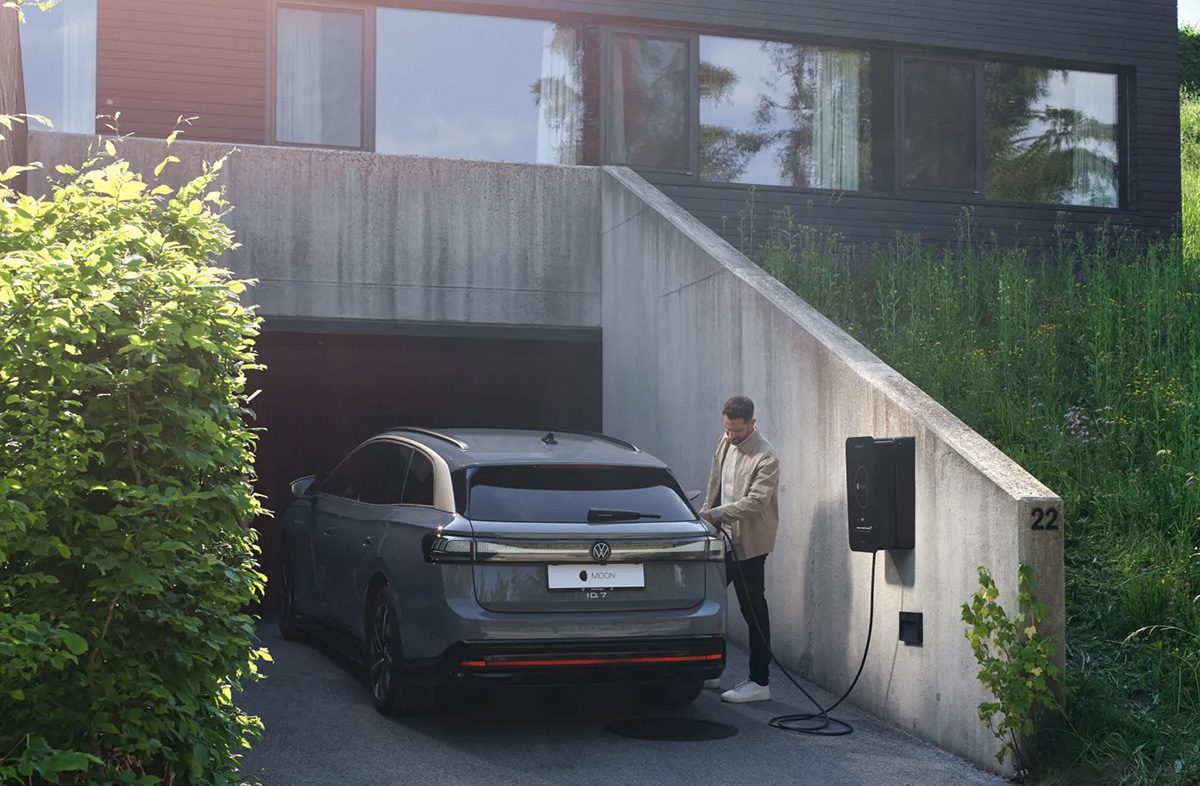
- Volkswagen Group Sverige is initiating a significant commercial rollout of bidirectional EV charging technology throughout its extensive dealer network in Sweden.
- This innovative system empowers compatible Volkswagen Group electric vehicles to not only draw power from the grid but also to supply electricity back to homes and the broader energy infrastructure (Vehicle-to-Grid or V2G).
- The comprehensive solution integrates bidirectional-capable vehicles, advanced MOON chargers, and sophisticated energy management software from Energy Bank.
- This marks a crucial transition from successful pilot projects, such as the Stenberg Living Lab in Hudiksvall, to widespread commercial availability, demonstrating a commitment to advanced electric mobility solutions.
- Industry leaders highlight this development as a pivotal moment for bidirectional charging, moving it from a promising concept to a scalable commercial infrastructure that benefits EV owners and enhances electricity system stability.
Ushering in a New Era of Electric Mobility in Sweden
Bidirectional EV charging technology, a groundbreaking innovation enabling vehicle-to-grid (V2G) functionalities and other smart energy features, is rapidly moving beyond experimental pilot projects into robust commercial deployments. At the forefront of this shift, Volkswagen Group Sverige has announced ambitious plans to integrate commercial bidirectional charging capabilities across its entire dealer network in Sweden.
This strategic initiative is set to redefine the relationship between electric vehicles and the national power grid, transforming EVs from mere consumers of electricity into dynamic, mobile energy storage units. The move underscores Volkswagen Group’s commitment to advancing sustainable electric mobility and pioneering integrated energy solutions within the automotive sector.
Understanding Bidirectional Charging: Beyond Simple Charging
Traditional electric vehicle charging is a one-way process: electricity flows from the grid to the vehicle’s battery. Bidirectional EV charging technology, however, introduces a two-way energy transfer, allowing the EV battery to both charge from and discharge back into an external network, such as a home or the main electricity grid.
Vehicle-to-Grid (V2G) Capabilities
Vehicle-to-Grid (V2G) technology, a core component of bidirectional charging, permits electric vehicles to feed surplus energy stored in their batteries directly back into the electricity grid. This capability holds immense potential for grid stability, especially with the increasing integration of intermittent renewable energy sources like solar and wind power. EVs can store excess renewable energy during periods of high generation and then dispatch it back to the grid during peak demand or low generation, acting as flexible distributed energy resources.
Vehicle-to-Home (V2H) Advantages for Owners
Beyond V2G, bidirectional charging also facilitates Vehicle-to-Home (V2H) applications. This means an EV can power a household, providing backup electricity during outages or allowing owners to utilize cheaper off-peak energy stored in their vehicle during more expensive peak times. This offers significant cost savings and enhanced energy resilience for individual homeowners, effectively turning their electric vehicle into a powerful home battery on wheels.
Volkswagen Group’s Strategic Deployment in Sweden
The system slated for commercial deployment by Volkswagen Group Sverige is a sophisticated integration of hardware and software. It specifically combines state-of-the-art, bidirectional-capable vehicles from the Volkswagen Group with advanced bidirectional chargers supplied by MOON, a sister company within the Volkswagen Group ecosystem. Central to the operation is the innovative software developed by Energy Bank, which meticulously manages the charging processes, energy storage, and power exports.
This integrated approach ensures seamless communication between the vehicle, the charger, and the grid, optimizing energy flow based on real-time demand, supply, and cost considerations. The holistic nature of this solution highlights a deep commitment to creating a fully functional and scalable energy management system.
The Swedish Market: A Fertile Ground for Innovation
Sweden stands out as an ideal environment for pioneering such advanced electric vehicle solutions. The country boasts high rates of EV adoption, ambitious renewable energy targets, and a strong national focus on sustainability and smart infrastructure. These factors create a receptive market and a supportive regulatory landscape for the widespread integration of bidirectional EV charging technology.
By launching this initiative in Sweden, Volkswagen Group is not only catering to an environmentally conscious consumer base but also leveraging a robust framework that encourages innovation in clean energy and electric mobility. This strategic market choice underpins the potential for rapid scaling and widespread impact of the technology.
The Integrated Technology Ecosystem: MOON, Energy Bank, and VW
The success of this commercial bidirectional charging rollout relies heavily on the synergy between its three core components, each playing a critical role in the overall system’s functionality and efficiency.
Intelligent Energy Management by Energy Bank
Energy Bank’s software is the brain of the bidirectional charging system. It is responsible for orchestrating the complex flow of energy, dynamically managing when vehicles charge, when they discharge, and to what extent they supply power to homes or the grid. This intelligent management system optimizes energy usage based on user preferences, electricity prices, grid signals, and the vehicle’s state of charge, ensuring maximum efficiency and economic benefit.
MOON Chargers: The Hardware Backbone
As a sister company of the Volkswagen Group, MOON plays a crucial role by providing the physical bidirectional chargers. These chargers are engineered to handle the two-way flow of electricity safely and efficiently, acting as the critical interface between the electric vehicle and the external electrical system. Their integration into the dealer network ensures compatibility and reliability for Volkswagen Group’s EV owners.
Bidirectional-Capable Volkswagen Vehicles
Naturally, the system requires electric vehicles designed with bidirectional charging capabilities. Volkswagen Group’s commitment to this technology means that certain models in its fleet are equipped with the necessary hardware and software to facilitate this advanced energy exchange. This forward-thinking approach ensures that the vehicles are not just transportation devices but integral parts of a larger smart energy ecosystem.
Transitioning from Lab to Market: The Stenberg Living Lab Success
The journey to commercial deployment began with intensive collaboration between Energy Bank and Volkswagen, focusing on bidirectional charging since 2021. This partnership led to the development and rigorous testing of the system at the Stenberg Living Lab in Hudiksvall.
The Living Lab environment provided a realistic yet controlled setting to fine-tune the technology, assess its performance, and iron out any complexities before a wider rollout. The successful validation at Stenberg Living Lab was a critical step, demonstrating the system’s viability and reliability in real-world conditions. This rigorous development phase ensures that the commercial offering is robust and ready for broad application, marking a significant milestone in bringing advanced energy solutions to the consumer market.
Economic and Environmental Imperatives: Why Bidirectional Charging Matters
The widespread adoption of bidirectional EV charging technology carries profound implications for both individual consumers and the broader energy landscape, offering a compelling blend of economic advantages and environmental benefits.
Empowering EV Owners with Energy Autonomy
For electric vehicle owners, bidirectional charging presents an unprecedented level of energy autonomy. The ability to use their car battery to power their home or even sell electricity back to the grid can significantly reduce energy bills, create new revenue streams, and provide a reliable backup power source during grid disturbances. This transforms the EV from a simple mode of transport into a dynamic home energy hub.
Strengthening Grid Resilience and Renewable Integration
At a macro level, bidirectional charging offers critical support to the electricity grid. By allowing thousands of EVs to collectively act as a virtual power plant, they can absorb excess renewable energy when generation is high and release it when demand peaks, thereby smoothing out fluctuations and enhancing grid stability. This reduces reliance on fossil fuel-fired peaker plants, contributing to a more resilient and efficient energy infrastructure.
A Step Towards a Sustainable Energy Future
From an environmental perspective, the deployment of bidirectional EV charging technology is a substantial leap towards a sustainable energy future. It maximizes the utilization of renewable energy, reduces carbon emissions associated with electricity generation, and accelerates the transition away from fossil fuels. By facilitating the seamless integration of EVs into the smart grid, Volkswagen Group is actively contributing to the decarbonization of both transportation and the energy sector.
Expert Perspective on Commercialisation
The significance of this commercial rollout has been underscored by industry leaders. Christian Jacobsson, CEO of Energy Bank, articulated the impact of this transition, stating, “This is the moment when bidirectional charging moves from promising technology to commercial infrastructure. With MOON and Volkswagen as strategic partners, we can bring bidirectional charging to customers at scale and create value for EV owners and the electricity system.”
This statement highlights the critical shift from theoretical potential to practical application. The collaborative strength of MOON and Volkswagen is seen as instrumental in accelerating the widespread adoption of this technology, ensuring that its benefits are realized by a broad spectrum of EV owners and contribute meaningfully to the stability and efficiency of the national electricity grid.
The Road Ahead: Future of EV Charging Infrastructure
Volkswagen Group’s initiative in Sweden sets a precedent for how electric vehicles can evolve into active participants in the energy ecosystem. As EV adoption continues to surge globally, the demand for sophisticated charging infrastructure that supports smart grid functionalities will only grow.
The deployment of bidirectional EV charging technology is a crucial step towards developing truly intelligent and sustainable energy systems. It signals a future where electric vehicles are not just part of the transport solution but also integral to energy management, grid stability, and the broader transition to a decarbonized economy. This pioneering effort by Volkswagen Group Sverige, with its strategic partners, illustrates a forward-thinking vision for integrated electric mobility.
Frequently Asked Questions (FAQ)
What is bidirectional EV charging?
Bidirectional EV charging allows electric vehicles to both draw power from the grid to charge their batteries and send stored energy back to the grid or a home. This two-way energy flow enables advanced functionalities like Vehicle-to-Grid (V2G) and Vehicle-to-Home (V2H), transforming EVs into mobile energy storage units for greater flexibility and efficiency.
How does Volkswagen’s system facilitate bidirectional charging?
Volkswagen’s system integrates three key components: bidirectional-capable electric vehicles from the Volkswagen Group, specialized bidirectional chargers from MOON (a sister company), and intelligent software from Energy Bank. This software manages charging, energy storage, and power exports, optimizing energy flow between the vehicle, charger, and the electricity grid or home.
What are the main benefits of V2G technology for the electricity grid?
V2G technology significantly enhances grid stability and resilience. By allowing electric vehicles to discharge power, they can help balance energy supply and demand, particularly by integrating intermittent renewable sources like solar and wind. This reduces strain on the grid during peak demand and can lower the need for fossil-fuel-based peaker plants.
Can bidirectional charging help EV owners save money?
Yes, bidirectional charging offers several potential cost savings for EV owners. They can charge their vehicles during off-peak hours when electricity is cheaper and then sell excess stored energy back to the grid during peak pricing periods. Additionally, V2H functionality allows them to power their homes with stored EV energy, reducing reliance on grid electricity during expensive times.
Where was this bidirectional charging system initially developed and tested?
The bidirectional charging system was developed through a collaboration between Energy Bank and Volkswagen, with initial testing and refinement conducted at the Stenberg Living Lab in Hudiksvall. This pilot project phase allowed for rigorous evaluation and optimization of the technology before its commercial expansion across Volkswagen Group’s dealer network in Sweden.
What role does Energy Bank’s software play in the system?
Energy Bank’s software is crucial for the intelligent management of energy flow. It optimizes charging and discharging schedules based on factors like grid demand, electricity prices, and vehicle battery status. This ensures efficient power exports and storage, maximizing the benefits of bidirectional EV charging technology for both the grid and the EV owner.