
Key Takeaways
- Fisker has reportedly hired restructuring advisors, signaling preparations for a potential bankruptcy filing, according to The Wall Street Journal.
- The electric vehicle (EV) startup faces ‘substantial doubt’ about its ability to meet financial obligations without a significant cash injection.
- Despite producing approximately 10,000 Ocean electric crossovers, only about half have been sold, contributing to severe cash flow issues.
- Fisker is actively seeking a strategic partnership with a major automaker and is transitioning from a direct-sales model to a dealer partnership approach in both North America and Europe.
- The company is burdened by a billion dollars in debt, and its share price has plummeted over 97% since its initial public offering, highlighting its precarious financial position.
Mumbai: Fisker, the electric vehicle (EV) startup founded by Henrik Fisker, is reportedly preparing for a potential bankruptcy filing, as revealed by a new report from The Wall Street Journal. This development comes on the heels of the company informing investors about ‘substantial doubt’ regarding its capacity to meet all financial obligations without a crucial cash infusion.
The intricate landscape of the electric vehicle market, coupled with Fisker’s unique operational model, has brought the company to a critical juncture. The news underscores the volatile nature of the EV startup ecosystem, where innovative designs often confront significant capital and operational hurdles.

Restructuring Advisors Engaged Amid Financial Distress
Sources cited by The Wall Street Journal indicate that Fisker has engaged bankruptcy advisors. These experts are tasked with assisting the company through a potential filing process, suggesting a proactive measure in response to its escalating financial challenges.
This move is a strong indicator of the severity of Fisker’s financial predicament. The engagement of restructuring specialists typically occurs when a company acknowledges the urgent need to address deep-seated economic pressures that threaten its viability.
Production Challenges and Slow Sales Impact Cash Flow
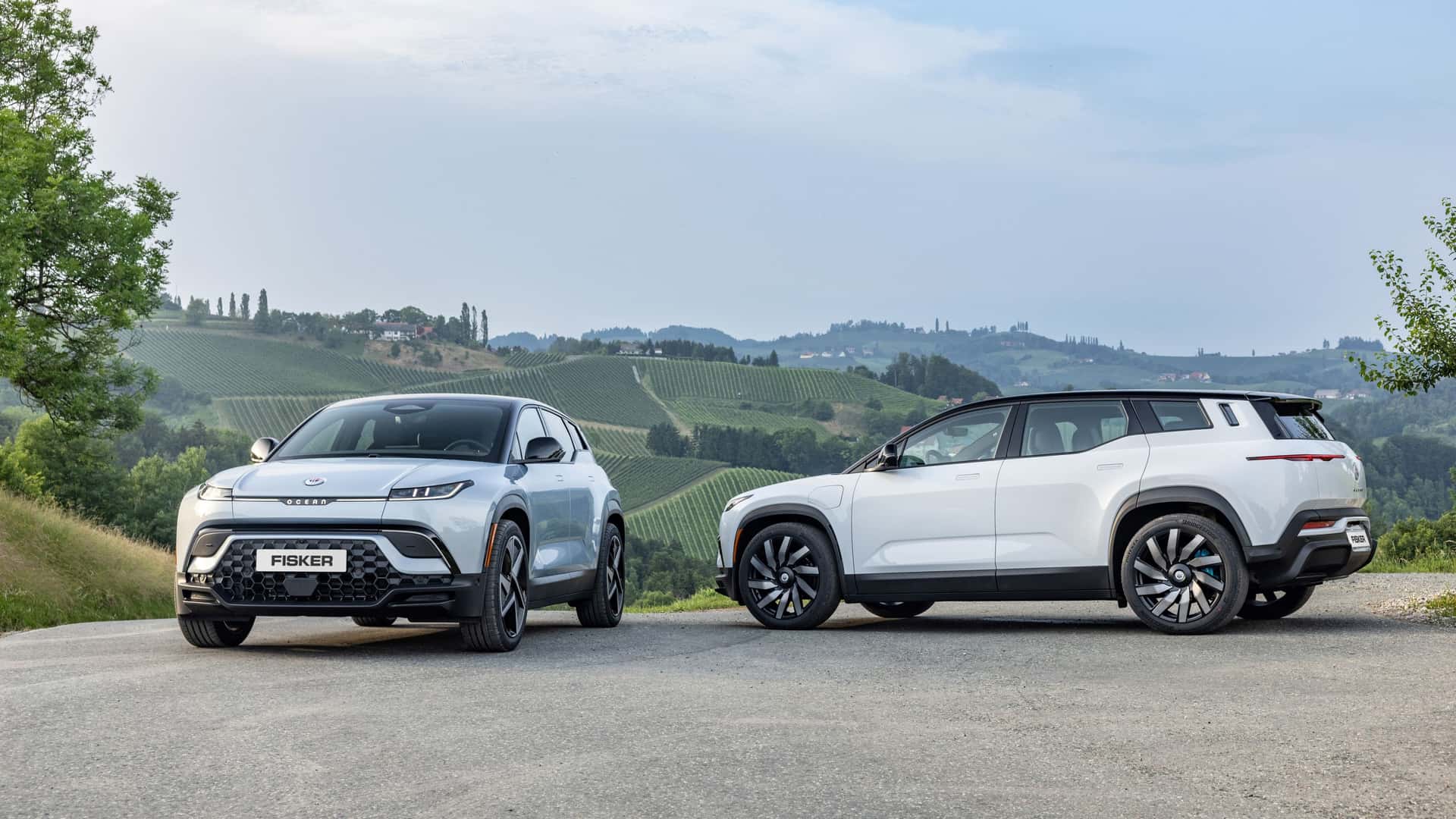
Fisker’s flagship product, the Ocean electric crossover, has faced significant hurdles since its introduction. Approximately 10,000 units of the Ocean EV were produced by the company’s supplier, Magna International, a prominent contract manufacturing firm.

However, sales figures reveal a stark reality: only about half of these vehicles have been successfully sold to customers. This substantial inventory overhang has created immense pressure on Fisker’s cash flow and operational stability.
The initial launch of the Fisker Ocean in the summer of 2023 coincided with a period of slackening demand across the broader electric vehicle market. This unfavourable timing exacerbated the challenges for a new entrant like Fisker.
Mounting Issues and Regulatory Scrutiny
Beyond market timing, the Fisker Ocean has been plagued by a series of high-profile issues. These have included a regulatory probe instigated by authorities, specifically addressing concerns related to braking performance, which can significantly erode consumer confidence.
The vehicle also received a particularly scathing review from a prominent global tech reviewer, further highlighting perceived quality and performance shortcomings. Such public scrutiny adds considerable pressure on a brand striving to establish its reputation in a competitive sector.
In response to weak demand and an ineffective direct-sales model, Fisker was compelled to cut back production in December 2023. This strategic decision was aimed at aligning production with actual sales volumes and conserving capital.
Strategic Shift and Pursuit of Partnerships
To navigate these challenging waters, Fisker is reportedly pursuing a significant shift in its sales strategy. The company aims to transition from its current direct-to-consumer sales approach to a more traditional dealer partnership model.
This intended pivot reflects an acknowledgement that the direct-sales strategy, favoured by many new EV startups, has not yielded the desired results for Fisker. However, the feasibility and timeline for this transition remain uncertain given the company’s current financial fragility.
In a formal statement addressing the reports, Fisker offered insight into its ongoing efforts: “As a matter of company policy, Fisker does not comment on market rumors and speculation,” the statement said. “However, Fisker often works with outside advisors to help manage its business and assist in developing and executing strategies. Fisker is focused on raising additional capital and engaging in a strategic partnership with a large automaker. The company is also continuing to pursue its shift to a Dealer Partnership model in both North America and Europe. The leadership team is laser-focused on these efforts.”
This statement confirms Fisker’s dual strategy of seeking additional capital and forging alliances, crucial steps for any company facing such significant financial hurdles. The focus on a strategic partnership with a large automaker could potentially provide the much-needed capital injection and operational expertise.
A Billion-Dollar Debt and Plunging Share Value
Fisker’s financial health is further complicated by a substantial debt burden. As per its last public filing, the company carries a billion dollars of debt. This massive financial obligation necessitates a significant increase in Fisker Ocean sales and revenue generation to avoid deeper insolvency.
The pursuit of a partnership with a larger automaker is seen as a vital component of Fisker’s survival strategy. Rumours have circulated suggesting potential interest from automotive giants like Nissan. However, industry observers have questioned what a well-established automaker would gain from such a deal, given Fisker’s current challenges and limited assets.
The financial impact of Fisker’s struggles extends to its manufacturing partner, Magna International. Magna, which also produces vehicles for legacy OEMs like Mercedes, has explicitly listed its business relationship with Fisker as one of its financial risks. This highlights the ripple effect of Fisker’s operational and financial stability on its key collaborators.
Declining Investor Confidence and Future Prospects
Investor confidence in Fisker has severely eroded, as evidenced by its stock performance. The company’s share price has plummeted by over 97% since its initial public offering, a stark illustration of the market’s assessment of its future prospects, as highlighted by The Wall Street Journal.
A critical factor contributing to this decline is the absence of any new product lines nearing production. In an rapidly evolving electric vehicle market, the lack of a pipeline for future models further diminishes investor confidence and long-term growth potential for the struggling EV startup.
Beyond the technical glitches that have plagued early models, many reviewers have also noted that the Fisker Ocean, even when functioning optimally, does not offer a particularly compelling proposition in a crowded market. This lack of distinct competitive advantage further complicates its sales efforts.
Moreover, Fisker’s manufacturing arrangement with Magna in Austria means that it lacks a production facility within the United States. This disadvantage is significant because it prevents the Fisker Ocean from qualifying for valuable federal tax credits, a key incentive for many US-based EV purchasers.
The combined weight of production issues, financial distress, market challenges, and a plummeting stock price indicates that Fisker is navigating exceptionally turbulent conditions. The actions reported suggest a strategic preparation for all eventualities, including the most severe, as the company strives to chart a course through these stormy waters.
FAQ Section
What is Fisker reportedly preparing for?
Fisker is reportedly preparing for a possible bankruptcy filing, as indicated by its engagement of restructuring advisors. This development follows the company’s acknowledgment of ‘substantial doubt’ regarding its ability to meet its financial obligations without additional capital.
Why is Fisker facing financial difficulties?
Fisker’s financial difficulties stem from a combination of factors, including slow sales of its Ocean electric crossover, high inventory, a substantial debt of one billion dollars, operational issues, a regulatory probe, and a challenging electric vehicle market environment.
How many Fisker Ocean vehicles have been sold compared to those produced?
Approximately 10,000 Fisker Ocean electric crossovers have been produced by its supplier, Magna International. However, only about half of these vehicles have been sold, leading to significant inventory and cash flow problems for the company.
What strategic changes is Fisker planning for its sales model?
Fisker is actively pursuing a shift from its current direct-to-consumer sales model to a more traditional dealer partnership model. This change is intended to improve sales performance and market reach in both North America and Europe.
Is Fisker seeking external partnerships?
Yes, Fisker is focused on raising additional capital and engaging in a strategic partnership with a large automaker. Rumours have suggested potential interest from companies like Nissan, though the benefits for a larger partner remain a subject of industry discussion.
What is the current status of Fisker’s share price?
Fisker’s share price has experienced a dramatic decline, falling over 97% since its initial public offering. This significant drop reflects the market’s severe lack of confidence in the company’s financial stability and future prospects.