
Key Takeaways
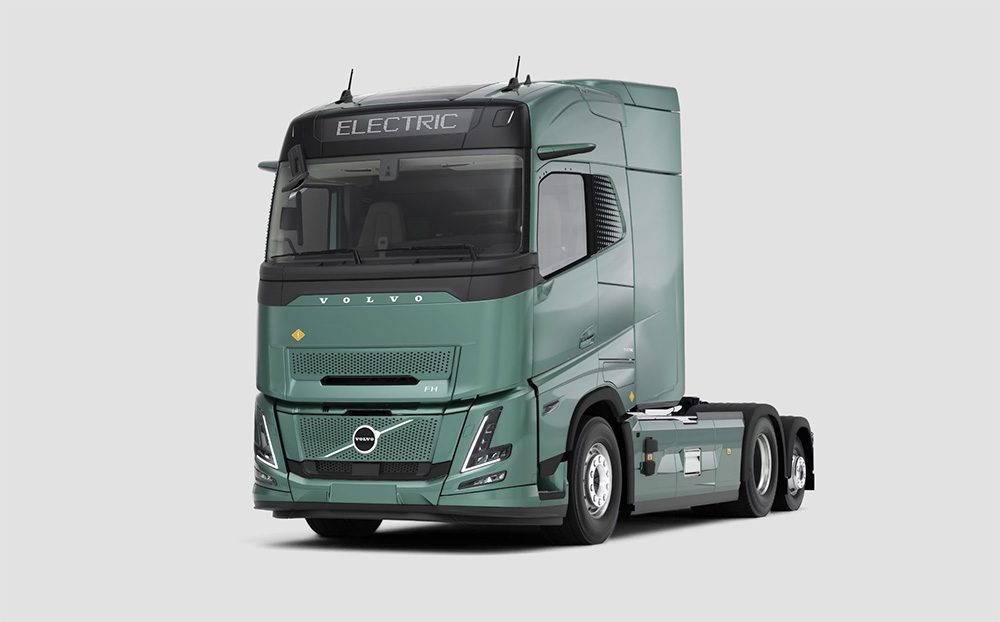
Volvo Trucks has significantly enhanced its electric vehicle portfolio, introducing new and updated models tailored for a diverse range of commercial applications, from long-haul logistics to heavy-duty construction.
The new FH Aero Electric leads the long-haul segment with an extended range, a compact rear e-axle, up to 460 kW of power, and rapid MCS charging capabilities, achieving 20-80% charge in approximately 50 minutes for its 8-battery pack system.

Next-generation FH, FM, and FMX Electric models are designed for demanding applications such as construction and urban logistics, boasting a powerful dual-motor drivetrain, multiple Power Take-Off (PTO) configurations, and up to 470 km of range.
These developments underscore Volvo’s commitment to electrifying transport, making it easier for operators to transition from diesel while simultaneously navigating broader industry discussions around emissions standards and alternative fuel technologies like hydrogen fuel cells.
Volvo Propels Electric Commercial Transport with Enhanced Fleet
Volvo Trucks has announced a significant expansion and upgrade of its electric truck models, strategically designed to address a wider spectrum of commercial transport requirements. The new lineup aims to accelerate the transition to sustainable logistics across various sectors, from long-distance hauls to specialized heavy applications.

This initiative introduces advanced technological features, including integrated electric powertrains, diverse battery configurations, and innovative Power Take-Off (PTO) options, positioning Volvo at the forefront of the evolving electric commercial vehicle market.
The rollout of these advanced vehicles, which begins incrementally in unspecified markets from 2026, marks a pivotal step in the manufacturer’s electrification strategy.
The FH Aero Electric: Redefining Long-Haul Efficiency
Leading the charge for extended journeys, the new FH Aero Electric is specifically engineered for long-haul and intercity transport. This model integrates a sophisticated rear compact e-axle, featuring two electric motors seamlessly paired with a six-speed gearbox.
This robust configuration delivers an impressive power output of up to 460 kW, equivalent to 623 horsepower, providing ample capability for demanding routes. Its design focuses on maximizing operational efficiency and driver comfort over long distances.
Charging infrastructure is a critical component for long-haul operations. The FH Aero Electric supports high-speed charging protocols, including 700 kW on the emerging Megawatt Charging System (MCS) standard and 350 kW on the widely adopted Combined Charging System (CCS).
Volvo estimates that recharging its eight-battery pack system from 20% to 80% state-of-charge, utilizing MCS, can be accomplished in approximately 50 minutes. This timeframe aligns strategically with mandated rest periods for truck drivers in the European Union, optimizing operational uptime.
The FH Aero Electric offers a total Gross Combination Weight (GCW) capacity of up to 48 tonnes and a substantial payload capacity of up to 28 tonnes. Its flexible battery configuration allows operators to fine-tune the balance between desired range and payload requirements, providing crucial adaptability for diverse cargo needs.
A notable innovation is the inclusion of an electric power take-off (PTO) system specifically designed for refrigerated units. This feature eliminates the necessity for a separate, often diesel-powered, generator, contributing to reduced emissions, lower noise levels, and enhanced operational efficiency for temperature-controlled logistics.
Versatility for Demanding Tasks: Next-Gen FH, FM, and FMX Electric Models
Expanding their utility beyond long-haul, Volvo’s next-generation FH, FM, and FMX Electric models are designed to tackle a broad array of demanding applications. These include on-road construction, regional distribution, urban logistics, utility services, refuse collection, and various special heavy-duty assignments.
These versatile trucks are equipped with a new dual-motor drivetrain, complemented by an eight-speed gearbox, meticulously engineered to maximize electric torque. This powerful setup delivers up to 540 kW (731 hp), ensuring robust performance even under challenging conditions.
With a comprehensive range of up to 470 km on a single charge, these models are well-suited for regional routes and intensive urban operations. They also support rapid charging, reaching speeds of up to 350 kW via CCS connections, minimizing downtime and maximizing productivity.
The new FH, FM, and FMX Electric models boast an impressive total GCW capacity of up to 65 tonnes. The 4×2 tractor configuration, for example, offers a payload capacity of up to 23.8 tonnes, demonstrating their capability for significant load transport.
For enhanced traction and adaptability, these trucks are available with twin-drive axles and low gearing options, making them highly flexible for various terrains and operational requirements. The availability of multiple power take-off (PTO) configurations further enhances their versatility.
These PTO options include split motors or dual-motor output, facilitating the seamless integration and simultaneous operation of auxiliary equipment such as cranes, hook lifts, or tipper bodies. This capability allows for the truck and its specialized body to function concurrently, optimizing workflow on job sites and in specialized transport tasks.
Strategic Vision for an Electrified Future
Roger Alm, President of Volvo Trucks, underscored the strategic importance of these new offerings. “We’re really sharpening our offering here. We are broadening it and making electric solutions possible for an even wider range of transport assignments,” Alm stated, highlighting the company’s commitment to diverse customer needs.
He further elaborated on the ease of transition for operators, adding, “This means we can fully match the business needs of our customers. It has never been easier to replace diesel trucks with electric ones.”
Addressing the enhancements in driver experience and functionality, Alm noted, “The next-generation FH, FM and FMX Electric are packed with new, smart functions—they offer great driver comfort and make [electric] transport available for a wide range of transport assignments.”
This reinforces Volvo’s dedication to providing not only powerful and efficient vehicles but also solutions that enhance the daily operational lives of truck drivers.
Navigating the Broader Energy Transition Landscape
While Volvo’s new electric trucks represent a significant stride towards decarbonizing commercial transport, the company’s broader sustainability approach also involves complex dynamics. Volvo is reportedly engaging in lobbying efforts to potentially soften emissions standards in key markets like the US and Europe.
Concurrently, Volvo continues to invest in hydrogen fuel cell technology. This area is viewed by a segment of scientists and engineers as a strategy that could inadvertently prolong the reliance on fossil fuels, particularly if hydrogen production relies on non-renewable sources, while potentially capitalizing on government subsidies.
This dual approach highlights the intricate challenges and diverse pathways that major manufacturers are exploring as they navigate the transition to a more sustainable, yet economically viable, future for heavy-duty transport.
Frequently Asked Questions About Volvo’s New Electric Trucks
What are the main new electric truck models introduced by Volvo?
Volvo Trucks has launched the new FH Aero Electric, designed for long-haul transport, and updated next-generation FH, FM, and FMX Electric models, tailored for construction, distribution, urban logistics, and other heavy applications.
What is the maximum power output of the FH Aero Electric?
The FH Aero Electric features a compact rear e-axle with two electric motors, delivering up to 460 kW (623 hp) of power, suitable for demanding long-haul and intercity operations.
How fast can the FH Aero Electric charge its batteries?
The FH Aero Electric supports up to 700 kW charging speeds on MCS and 350 kW on CCS. Its 8-battery pack can charge from 20% to 80% in approximately 50 minutes using MCS.
What applications are the next-gen FH, FM, and FMX Electric models designed for?
These models are versatile, targeting on-road construction, regional distribution, urban logistics, utilities, refuse collection, and other specialized heavy applications due to their powerful dual-motor drivetrain and flexible configurations.
What is the range of the next-gen FH, FM, and FMX Electric trucks?
These models offer a substantial range of up to 470 km, making them highly efficient for various regional and urban transport assignments without frequent recharges.
Do these new electric trucks offer Power Take-Off (PTO) options?
Yes, both new lineups feature PTO. The FH Aero Electric has an electric PTO for refrigerated units, while the next-gen FH, FM, and FMX Electric offer multiple PTO configurations, including split motors or dual-motor output for auxiliary equipment like cranes and tippers.
When will Volvo’s new electric trucks be available in markets?
Volvo has stated that these new electric truck models will be rolled out step-by-step to unspecified markets, with the introduction commencing in 2026.
What is Volvo’s stance on hydrogen fuel cells, according to the article?
The article notes that Volvo is investing in hydrogen fuel cells, a technology that some experts view as potentially prolonging fossil fuel use while harvesting government subsidies, raising questions about its true environmental impact.