
Key Takeaways
- Tesla is preparing to launch a new six-seat, long-wheelbase Model Y L in India, signaling a refined strategy for the challenging market.
- This move follows an initially difficult entry in July 2025, marked by high import tariffs (70-110%) and tepid sales for the standard Model Y.
- The Model Y L, debuting in China in 2025 and exported from the Shanghai Gigafactory, aims to cater to Indian preferences for spacious family SUVs.
- Despite ongoing premium pricing due to tariffs and competition from local manufacturers, Tesla seeks to broaden its appeal beyond early luxury adopters.
- Success with this new variant could pave the way for deeper investments, potentially including localized manufacturing, if policy shifts occur.
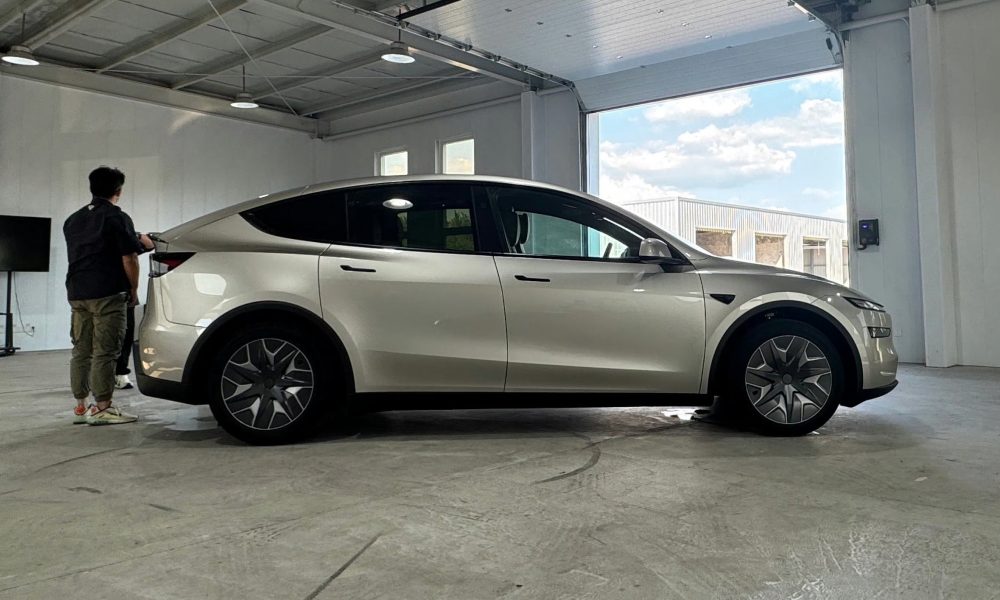
After years of navigating formidable regulatory barriers and an initial market entry fraught with challenges, Tesla is poised to accelerate its presence in India with the introduction of a new Model Y variant. The electric vehicle (EV) pioneer is preparing to bring its six-seat, long-wheelbase Model Y L to the Indian automotive sector as early as next week, according to a recent Bloomberg report on April 17, 2026. This strategic move underscores Tesla’s persistent efforts to penetrate a market once considered highly elusive.

For an extended period, the American EV manufacturer encountered significant hurdles, primarily in the form of steep import tariffs. These duties, ranging from 70 percent to a staggering 110 percent on fully built vehicles, drastically inflated pricing and effectively stalled Tesla’s ambitious entry plans. This policy environment made premium electric vehicles, such as the Model Y, prohibitively expensive for the majority of buyers in India’s highly price-sensitive market, drawing public criticism from Elon Musk, Tesla’s CEO.
The Long Road to India: High Tariffs and Stalled Ambitions
India’s protective trade policies have historically made it difficult for foreign automakers to import fully assembled vehicles without incurring substantial costs. These high import duties were initially a significant deterrent for Tesla, which sought to introduce its advanced electric vehicles to one of the world’s most populous nations. The company’s long-standing negotiations with the Indian government often centered on these tariff structures, with Tesla advocating for reductions to make its offerings more competitive.
The protracted discussions and numerous delays highlighted the complexities of entering the Indian market, which aims to bolster its domestic manufacturing capabilities. Tesla’s strategic dilemma involved balancing the desire to tap into India’s burgeoning consumer base with the economic realities imposed by existing trade regulations.

Initial Entry and Unforeseen Challenges
Following prolonged negotiations, Tesla finally made its official debut in India in July 2025. The rollout was relatively subdued, focusing initially on the luxury segment. Showrooms were established in key metropolitan centers, Mumbai and New Delhi, signaling the company’s commitment to urban affluent buyers. The initial vehicles imported were standard Model Y SUVs, sourced directly from Tesla’s advanced Shanghai Gigafactory.
Despite the anticipation surrounding its entry, the launch proved challenging. The Model Y vehicles carried sticker prices nearing $70,000, which, even in the luxury segment, was considered a significant investment for many Indian consumers. This premium pricing, largely a consequence of the prevailing import tariffs, led to tepid demand across the market.
Early sales figures underscored these difficulties. Bloomberg reported approximately 600 orders within the first two months of the launch, a number that fell considerably short of internal projections. Official registration data for the entirety of 2025 further revealed only 227 Model Y units were registered, indicating a substantial gap between market expectations and actual performance. By early 2026, Tesla found itself offering discounts of up to ₹200,000 (approximately $2,200) to alleviate an accumulating inventory of unsold vehicles, reflecting the intense competition and price sensitivity in the Indian automotive sector.
A Strategic Shift: Introducing the Six-Seater Model Y L
Less than a year after its initial, challenging launch, Tesla is demonstrating remarkable resilience and adaptability in its India strategy. The company is now preparing to introduce a new configuration, the Model Y L, designed to address specific consumer preferences within the Indian market. This marks Tesla’s first new product introduction in India since its initial foray, signaling a targeted approach to expand its appeal.
Tailoring for the Indian Market
The Model Y L is a six-seat, long-wheelbase variant featuring three-row seating, a configuration that debuted in China in 2025. This particular design caters well to the Indian demographic, where multi-generational families often travel together, necessitating more spacious and versatile vehicles. The extended space and additional seating are tailored to meet practical family needs, potentially broadening the Model Y’s appeal beyond early luxury adopters who primarily sought brand prestige.
This move highlights a significant pivot from early struggles to a more focused strategy. Instead of immediately committing to local production, Tesla is leveraging an existing, proven platform that better suits Indian consumer preferences for larger, family-oriented SUVs. By offering a variant that aligns more closely with local requirements, Tesla aims to stimulate demand and carve out a stronger niche in the premium EV segment.
The Enduring Role of Gigafactory Shanghai
Crucially, the newest Model Y L configuration will once again be exported directly from Tesla’s Shanghai Gigafactory. This reliance on its Chinese manufacturing hub underscores Tesla’s pragmatic approach to market entry. The Shanghai Gigafactory has been instrumental in Tesla’s global expansion, known for its efficiency and high production capacity. Utilizing this established supply chain allows Tesla to introduce new models rapidly without the immediate capital expenditure and logistical complexities associated with setting up local manufacturing in India.
This China-to-India supply chain represents a pragmatic bridge over the very obstacles that initially made entry into India so difficult. While it means that the vehicles will continue to incur significant import duties, it allows Tesla to test the market with a more suitable product before considering deeper, more permanent investments like localized production.
Navigating India’s Evolving EV Landscape
The arrival of the Model Y L underscores Tesla’s incremental strategy amidst broader global EV market headwinds and the unique challenges presented by India. The global electric vehicle industry has seen periods of rapid growth alongside emerging complexities, including evolving consumer demands and intensifying competition. India’s market, while promising, presents its own set of hurdles that Tesla must navigate carefully.
Infrastructure and Competition: Persistent Hurdles
India’s electric vehicle landscape is characterized by its nascent but rapidly developing charging infrastructure. While significant progress is being made, the widespread availability of robust charging networks, especially in non-metro areas, remains a challenge. This limits the practicality and appeal of long-range EVs for many potential buyers. Furthermore, Tesla faces robust competition from local manufacturers such as Tata Motors and Mahindra & Mahindra, which offer more affordable EV options tailored to the Indian mass market.
These local players have the advantage of lower production costs, extensive service networks, and established brand loyalty. They also benefit from government incentives designed to promote domestic manufacturing and EV adoption, placing imported premium vehicles at a disadvantage.
Incremental Growth Amidst Global Shifts
Despite these challenges, India’s government is actively promoting electric mobility through various policies and initiatives. The focus on sustainable transportation and reducing reliance on fossil fuels creates a long-term growth opportunity for EV manufacturers. Tesla’s strategy with the Model Y L acknowledges that while tariffs continue to keep pricing in the premium segment, addressing specific consumer needs like multi-row seating can significantly broaden its appeal beyond early luxury adopters.
This measured evolution, from battling high market barriers and disappointing initial sales to exporting its latest derivative model, signals cautious optimism from Tesla. It demonstrates a willingness to adapt its product portfolio to better suit local preferences, even while operating within a complex regulatory and competitive environment.
Future Prospects: A Foundation for Deeper Engagement
The success of the Model Y L in the Indian market could prove pivotal for Tesla’s long-term ambitions in the region. A positive reception would not only strengthen Tesla’s foothold in one of the world’s most populous and rapidly growing automotive markets but also potentially pave the way for deeper, more significant investments. These could include local assembly operations or even full-scale manufacturing facilities, should tariff relief or more favorable policy shifts materialize.
Such an investment would allow Tesla to significantly reduce its vehicle costs, making its offerings more accessible to a broader segment of the Indian population and enabling it to compete more effectively with local players. For now, the reliance on the China-to-India supply chain represents a tactical and pragmatic approach, designed to bridge the very obstacles that once rendered direct market entry so difficult and costly for the electric vehicle giant.
Tesla’s renewed focus with the Model Y L underscores its determination to overcome initial setbacks and establish a robust presence in India’s burgeoning electric vehicle market. By aligning its product offering with specific consumer demands, the company aims to convert past challenges into future growth opportunities, setting the stage for a potentially transformative impact on India’s automotive landscape.
Frequently Asked Questions (FAQ)
Q1: What is the Model Y L and why is Tesla bringing it to India?
The Model Y L is a six-seat, long-wheelbase variant of the Tesla Model Y, featuring three-row seating. Tesla is introducing it to India to better cater to local preferences for spacious, family-oriented SUVs, aiming to broaden its appeal beyond the initial luxury segment and increase sales in the challenging market.
Q2: What were the main hurdles Tesla faced in entering the Indian market initially?
Tesla faced significant challenges primarily due to India’s high import tariffs, ranging from 70% to 110% on fully built vehicles. These duties drastically inflated prices, making Tesla’s EVs prohibitively expensive and leading to delayed market entry and initially lukewarm sales for the standard Model Y.
Q3: How did the initial launch of Tesla in India perform in 2025?
Tesla’s initial launch in July 2025, with standard Model Y imports, saw tepid demand. Reports indicated only about 600 orders in the first two months, and official data showed just 227 registrations for all of 2025. This performance was significantly below internal targets, leading to price discounts in early 2026.
Q4: Where will the Model Y L for India be manufactured?
The Model Y L vehicles destined for the Indian market will continue to be exported directly from Tesla’s Shanghai Gigafactory in China. This strategy allows Tesla to leverage its established and efficient production capabilities without immediate investment in localized manufacturing within India.
Q5: What are the potential long-term implications of this new strategy for Tesla in India?
Success with the Model Y L could strengthen Tesla’s market position in India, potentially leading to deeper investments in the future. This might include local assembly or manufacturing, especially if there are favorable shifts in India’s import tariff policies or government incentives for electric vehicle production, making Tesla’s offerings more competitive.
Q6: How does India’s EV market compare to global trends for Tesla?
India’s EV market is growing but faces unique challenges like developing charging infrastructure and strong competition from local manufacturers offering more affordable options. Tesla’s incremental strategy with the Model Y L reflects global EV market headwinds and the need to adapt products to specific regional demands, even in premium segments.