
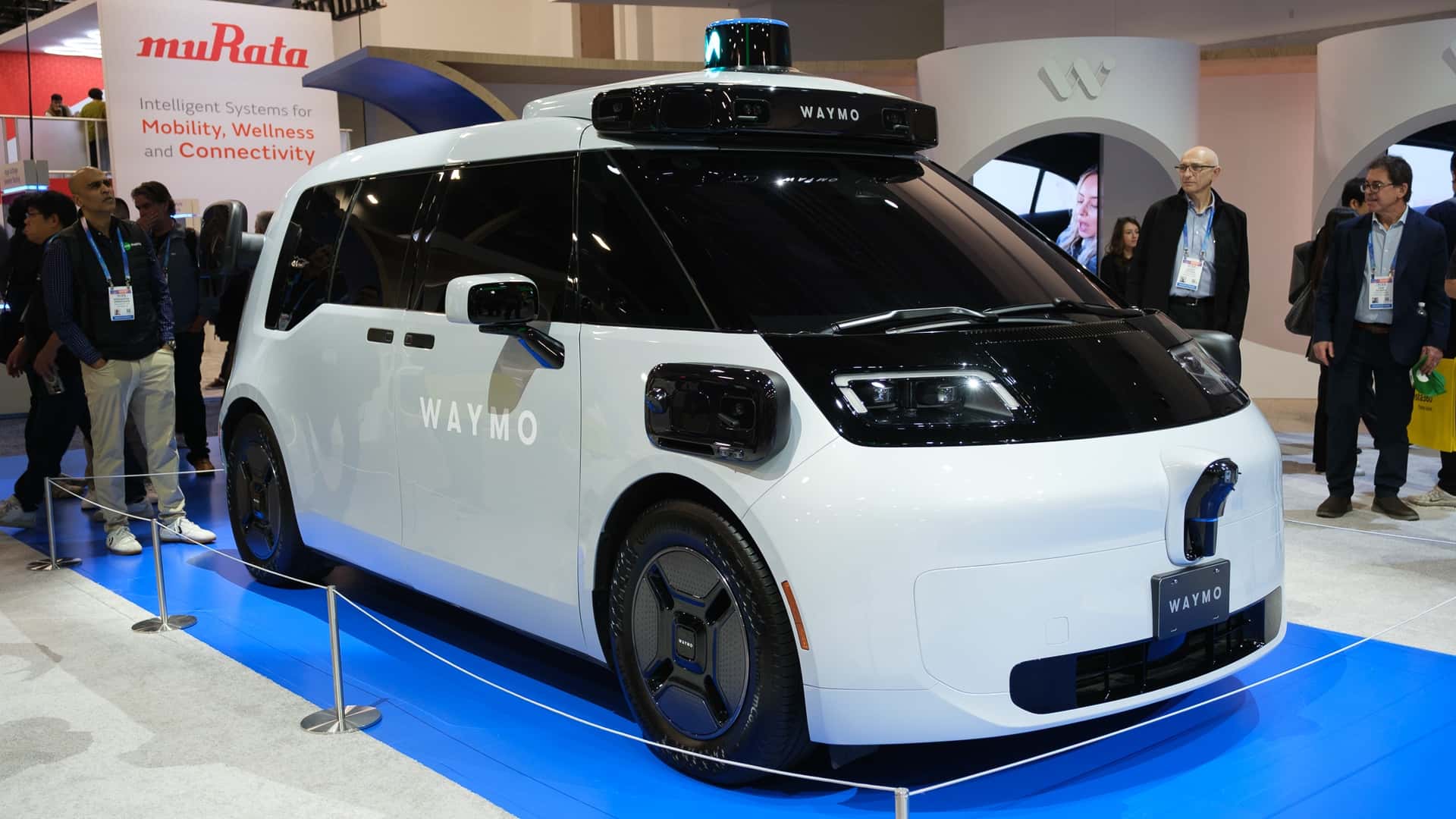
In a significant stride towards sustainable electric mobility and grid resilience, Waymo, a leader in autonomous vehicle technology, has announced a landmark partnership set to redefine the lifecycle of its electric vehicle (EV) batteries. The company confirmed on Thursday a collaboration with B2U Storage Solutions, an innovator in battery repurposing, to transform its used robotaxi battery packs into stationary energy storage systems.
This strategic alliance ensures that batteries no longer suited for the rigorous demands of Waymo’s autonomous vehicles will find a crucial second life. Instead of immediate recycling, these high-capacity power units will contribute directly to bolstering energy grids, initially targeting critical infrastructure in Texas and California, regions experiencing growing energy demands and a push for renewable integration.

Key Takeaways (TL;DR)
- Waymo has partnered with B2U Storage Solutions to repurpose its retired robotaxi EV batteries.
- These batteries, initially from vehicles like the Jaguar I-Pace, will be used as grid-scale stationary energy storage.
- The initiative will deploy hundreds of megawatts of storage, beginning in Texas and California.
- This move underscores a growing industry trend towards extending battery life beyond automotive use.
- Repurposing enhances grid stability, supports renewable energy integration, and promotes a circular economy for EV battery components.
- Companies like General Motors and Rivian are also engaging in similar battery repurposing endeavors.
A Sustainable Partnership for Energy Resilience
The collaboration between Waymo and B2U Storage Solutions marks a pivotal moment in the discourse around EV battery sustainability. By creating a robust framework for EV battery repurposing, the initiative directly addresses environmental concerns associated with battery waste while simultaneously delivering tangible benefits to energy infrastructure. The decision to deploy these re-purposed batteries in Texas and California is particularly noteworthy.

Both states are at the forefront of renewable energy adoption, facing the inherent challenges of integrating intermittent sources like solar and wind power into their grids. The capacity for these grid-scale batteries to store excess energy generated during peak production hours and then discharge it during periods of high demand will significantly enhance grid stability and reliability.
Deployment Scale and Operational Impact
Waymo has projected that the deal will facilitate the deployment of “hundreds of megawatts” of energy storage capacity. This substantial figure highlights the scale of Waymo’s robotaxi operations and the potential volume of batteries that will eventually reach their end-of-automotive-life stage. B2U Storage Solutions brings proven expertise to this venture, having already successfully launched similar projects across the United States.
Illustrative examples include a facility in California powered by 1,300 retired EV batteries and another in Texas utilizing 720 packs. These existing operations demonstrate the viability and effectiveness of aggregating used electric vehicle batteries into powerful, utility-scale energy storage systems. Such projects are critical for balancing the grid and ensuring a consistent power supply, especially as traditional fossil fuel-based generation is phased out.
The Longevity of EV Batteries: Beyond the Road
A key premise underlying this EV battery repurposing strategy is the inherent longevity of battery packs. While an EV battery may no longer meet the performance criteria for a vehicle—typically when its capacity drops to 50% or 60% of its original rated range—it still retains considerable utility. For stationary applications, where size, weight, and rapid discharge cycles are less critical than in a moving vehicle, these ‘second-life’ batteries are perfectly capable.
Packaging hundreds of these slightly degraded yet functional battery packs together creates a powerful and cost-effective energy storage solution. This approach bypasses the immediate need for complex and resource-intensive recycling or remanufacturing processes, thereby maximizing the economic and environmental value extracted from each battery. This extended lifecycle is a cornerstone of the circular economy principles being embraced by the electric mobility sector.
Waymo’s Diverse Robotaxi Fleet
The source of these batteries is Waymo’s evolving and expanding robotaxi fleet. For several years, the autonomous vehicle pioneer has relied heavily on the Jaguar I-Pace as a primary vehicle for its driverless services in cities such as San Francisco and Austin. However, Waymo is continually innovating its fleet composition to meet diverse operational needs and customer preferences.
The company recently announced the introduction of its next-generation Ojai van, manufactured by China’s Zeekr, into its service. Furthermore, Waymo is actively testing Hyundai Ioniq 5 taxis with plans to integrate these vehicles into its expanding fleet over time. The diversification of its vehicle types means a steady, varied stream of electric vehicle batteries will become available for second-life applications, feeding into the partnership with B2U Storage Solutions.
A Growing Industry Imperative: Circular Economy for Batteries
Waymo’s strategic move is indicative of a broader, rapidly accelerating trend within the automotive and energy sectors. As electric vehicle sales continue to surge globally, the sheer volume of EV batteries reaching their end of automotive life is set to increase dramatically in the coming years. Major industry players are keenly aware of the need for sustainable battery lifecycle management, driving innovation in EV battery repurposing.
For instance, General Motors and Rivian, two prominent electric vehicle manufacturers, have forged similar agreements with Redwood Materials, another leading battery recycling and repurposing company. These collaborations aim to transform their used EV batteries into grid-scale storage banks, much like the Waymo-B2U partnership. This collective industry effort underscores a commitment to resource efficiency and environmental stewardship, ensuring that the components within electric vehicle batteries are utilized to their maximum potential.
Economic and Environmental Dividends
The economic benefits of EV battery repurposing are multi-faceted. By giving batteries a second life, companies can defer the high costs associated with new battery production and raw material extraction. This creates a new value stream for what would otherwise be considered waste, potentially lowering overall energy storage costs. Environmentally, the advantages are even more profound. Extending battery life significantly reduces the demand for virgin materials, such as lithium, cobalt, and nickel, whose mining and processing carry substantial ecological footprints.
Furthermore, it minimizes the energy consumption and carbon emissions associated with manufacturing new batteries. This circular approach to battery management is crucial for achieving the full sustainability promise of electric mobility and renewable energy. It transforms a potential waste challenge into a valuable resource, contributing to a more resilient and environmentally conscious energy ecosystem.
Outlook: Challenges and Opportunities in Second-Life Battery Applications
While the prospects for EV battery repurposing are highly encouraging, the sector also faces certain challenges. These include developing standardized testing protocols for second-life batteries, ensuring robust safety measures for stationary deployments, and optimizing logistics for collection and transportation. However, the collaborative efforts seen across the industry, exemplified by Waymo’s partnership, suggest a concerted push to overcome these hurdles.
The increasing demand for grid-scale energy storage solutions, driven by renewable energy expansion and the need for energy independence, creates a robust market for repurposed EV batteries. As more electric vehicles enter the market and subsequently retire from their primary function, the availability of these valuable resources will continue to grow, solidifying the role of second-life battery applications in the global energy transition.
FAQ Section
What is EV battery repurposing?
EV battery repurposing involves taking electric vehicle batteries that no longer meet automotive performance standards but still retain significant capacity, typically 50-60% of their original range, and deploying them in less demanding applications such as stationary energy storage systems. This extends their useful life before recycling.
Why is Waymo repurposing its robotaxi batteries?
Waymo is repurposing its robotaxi batteries to promote sustainability, reduce waste, and contribute to energy grid stability. This initiative aligns with circular economy principles by maximizing the value extracted from each battery, reducing the need for new raw materials, and lowering environmental impact.
How will repurposed batteries benefit the energy grid?
Repurposed batteries will create grid-scale stationary energy storage systems. These systems can store surplus electricity from intermittent renewable sources like solar and wind when production is high and release it during peak demand, thereby enhancing grid reliability, stability, and efficiency.
Which vehicles supply Waymo with these batteries?
Waymo’s batteries primarily come from its robotaxi fleet, which has historically relied on the Jaguar I-Pace. As Waymo diversifies, batteries from newer vehicles like the Zeekr Ojai van and the Hyundai Ioniq 5 taxis, once retired from automotive service, will also be channeled into these repurposing efforts.
Are other companies engaged in similar EV battery repurposing efforts?
Yes, Waymo’s initiative is part of a growing industry trend. Companies like General Motors and Rivian have also entered into agreements with battery repurposing and recycling firms, such as Redwood Materials, to convert their retired EV batteries into grid-scale energy storage solutions.
What are the environmental advantages of EV battery repurposing?
The environmental advantages include reducing electronic waste, conserving valuable raw materials by extending battery life, and lowering the carbon footprint associated with manufacturing new batteries. This sustainable approach plays a critical role in mitigating the ecological impact of electric mobility.
What scale of energy storage is Waymo aiming for?
Through its partnership with B2U Storage Solutions, Waymo plans to deploy “hundreds of megawatts” of energy storage. This significant capacity highlights the potential for retired EV batteries to make a substantial contribution to large-scale energy infrastructure projects.