
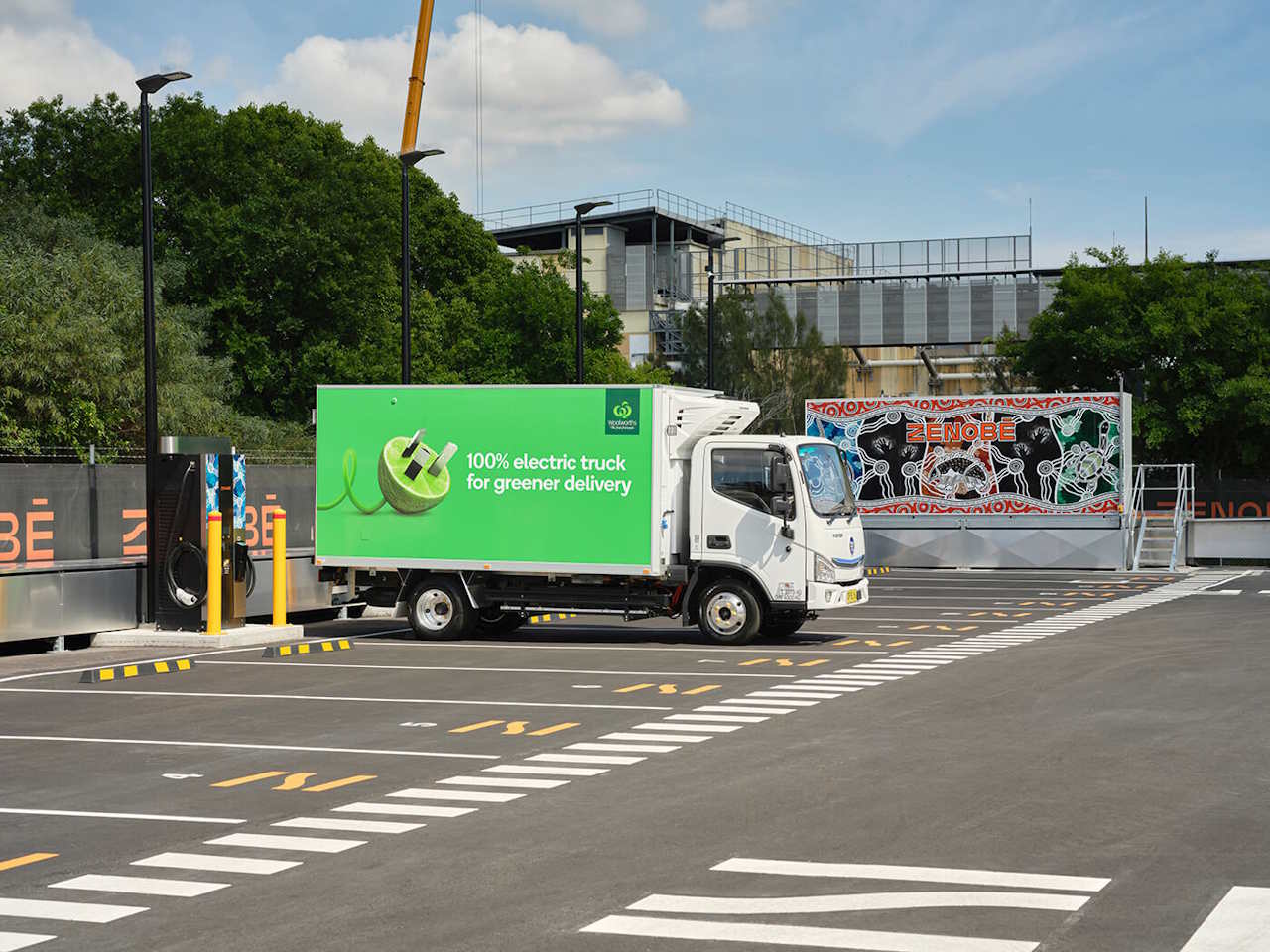
Key Takeaways
- Zenobē, a London-based fleet electrification and battery storage specialist, has launched a $100 million funding initiative for Australian heavy vehicle fleet operators.
- The program aims to accelerate the adoption of zero-emission freight by covering the full ecosystem, including electric truck purchases, charging infrastructure, battery replacements, and deployment.
- A core objective is to achieve Total Cost of Ownership (TCO) parity with diesel fleets, eliminating upfront capital costs for vehicles and charging assets.
- The initiative targets doubling the number of heavy electric trucks on Australian roads from approximately 1,000 to 2,000 by the end of the year.
- Eligible operators include those with medium to large heavy commercial vehicle fleets, depot-based operations, or predictable duty cycles, planning electrification within 12-36 months.
- Key sectors expected to benefit include logistics, freight, waste management, bus and passenger transport, and various service and utility fleets.
CANBERRA, Australia – In a significant boost to Australia’s decarbonisation efforts, Zenobē, the London-based fleet electrification and battery storage specialist, has commenced accepting expressions of interest for its groundbreaking $100 million truck electrification funding initiative. This substantial investment aims to accelerate the transition to zero-emission freight across the continent, directly addressing the growing demand for sustainable transport solutions without imposing prohibitive upfront costs on operators.
Announced last month at the high-profile Freight Forward conference in Canberra, Zenobē’s commitment underscores a strategic move to revolutionise Australia’s heavy vehicle sector. The fund is designed to cover not just the acquisition of electric trucks, but the entire support ecosystem crucial for their seamless operation. This includes essential charging infrastructure, battery replacements, and comprehensive deployment strategies, positioning the initiative as a holistic solution for Australian electric truck funding.

Catalysing Australia’s Electric Freight Transition
The Australian transport sector stands at a critical juncture, grappling with elevated operating costs driven by a global fuel crisis and the pressing need to reduce carbon emissions. Zenobē’s $100 million initiative offers a timely intervention, providing a clear pathway for operators to modernise their fleets and embrace electric vehicles (EVs). The program’s comprehensive scope aims to alleviate the financial and operational complexities often associated with such a transition.
By investing in the full spectrum of electrification needs, from vehicle procurement to ongoing infrastructure and energy management, Zenobē is setting a new standard for fleet transformation. This integrated approach is designed to ensure that the shift to electric is not only environmentally responsible but also economically viable for Australian businesses of all sizes, particularly those operating medium to large heavy commercial vehicle fleets.
Bridging the Capital Gap for Fleet Operators
A cornerstone of Zenobē’s funding program is its commitment to eliminating significant financial barriers for heavy vehicle operators. The initiative explicitly ensures zero upfront infrastructure costs and no upfront capital expenditure for vehicles or charging assets. This model is crucial for businesses looking to upgrade their fleets without straining their balance sheets, making Australian electric truck funding more accessible than ever before.

Furthermore, the program is structured to reduce peak electricity demand and lower overall operating costs for participating fleets. Zenobē pledges end-to-end project accountability, providing a single point of contact for the entire electrification journey. This includes offering no-cost feasibility studies, design services, and commercial proposal development, streamlining a process that can often be daunting for fleet managers.
Achieving Total Cost of Ownership Parity
Zenobē’s ambitious goal is to ensure that the total cost of ownership (TCO) for electric fleets matches or even surpasses that of traditional diesel fleets. This objective is pivotal for fostering widespread adoption, as it directly addresses one of the primary concerns for commercial operators: financial viability over the lifespan of their assets. By making the sustainable choice the commercially advantageous one, Zenobē seeks to accelerate the pace of electrification.
Gareth Ridge, Country Director for Australia and New Zealand at Zenobē, articulated this vision during the announcement: “The direction we set in the next five years will define the trajectory for the next two decades.” He emphasised the company’s clear objective, stating, “Our goal is simple: to make the transition total cost of ownership neutral so the sustainable choice is also the commercial one.” This commitment to TCO neutrality is a powerful incentive for businesses contemplating the move to electric heavy vehicles.
Zenobē’s Strategic Investment and Vision
As a specialist in fleet electrification and battery storage, Zenobē brings considerable expertise to the Australian market. Its global experience in deploying large-scale electric bus fleets and developing grid-scale battery projects positions it uniquely to manage the complexities of heavy vehicle electrification. The $100 million investment reflects a confident outlook on Australia’s potential to become a leader in zero-emission transport.
The company has set an aggressive target: to double the number of heavy electric trucks operating on Australia’s roads by the end of this year. With an approximate 1,000 such vehicles currently in operation, Zenobē’s ambition would see this number grow to 2,000, significantly enhancing the presence of sustainable heavy transport and demonstrating the tangible impact of dedicated Australian electric truck funding.
Who Stands to Benefit?
Zenobē’s fleet electrification program is meticulously designed to support a broad spectrum of Australian industries that rely heavily on commercial vehicle fleets. The initiative is particularly relevant for sectors where predictable duty cycles and depot-based operations are common, allowing for efficient charging infrastructure deployment.
Key industries expected to be primary beneficiaries include:
- Logistics and Freight: Companies involved in moving goods across short, medium, and end-to-end heavy haulage routes.
- Waste and Municipal Services: Local councils and private contractors operating refuse trucks and other service vehicles within defined urban or regional areas.
- Bus and Passenger Transport: Operators of large bus fleets looking to electrify their routes for public or private transport.
- Service and Utility Fleets: Businesses in energy, industrial, and construction sectors that manage specialised vehicles for maintenance, delivery, and operational support.
These sectors are crucial for Australia’s economy, and their transition to electric power will have widespread positive impacts on urban air quality, noise pollution, and national emissions targets.
Program Eligibility and Scope
To ensure the efficient and impactful allocation of the $100 million fund, Zenobē has established clear eligibility criteria for interested organisations. The program is specifically tailored for:
- Organisations that operate medium to large heavy commercial vehicle fleets across Australia.
- Fleets with depot-based operations or predictable duty cycles, including established end-to-end heavy haulage routes, which facilitate efficient charging infrastructure planning.
- Companies that are actively planning to electrify their fleets within the next 12 to 36 months, indicating a readiness for immediate and near-term transition.
This targeted approach ensures that the Australian electric truck funding is directed towards operators who are strategically positioned to maximise the benefits of electrification, thereby creating a ripple effect across the industry.
Addressing Urgent Industry Challenges
The timing of Zenobē’s funding initiative is particularly pertinent given the current economic and operational landscape facing Australia’s transport industry. The global fuel crisis has significantly driven up operating costs, injecting considerable uncertainty into budgeting and long-term planning for fleet managers. Simultaneously, a substantial portion of Australia’s truck fleet—over 50 per cent—is more than a decade old, indicating a widespread need for vehicle replacement and modernisation.
Heavy vehicle fleet operators are currently making critical decisions regarding replacement technologies as their existing vehicles approach the end of their operational lifespans. This convergence of rising costs, an aging fleet, and a global push for sustainability creates an opportune moment for robust Australian electric truck funding to catalyse change.
The Imperative for Sustainable Transport
Beyond the immediate economic pressures, the imperative for sustainable transport is growing stronger. Decarbonising the heavy vehicle sector is a vital component of Australia’s broader climate change commitments. Electric trucks offer a tangible solution to reduce emissions, improve local air quality, and decrease reliance on fossil fuels, contributing to a more resilient and environmentally friendly supply chain.
Zenobē’s holistic approach, covering everything from vehicle procurement to energy management, is critical in addressing the multifaceted challenges of fleet electrification. It empowers operators to not only replace aging diesel trucks but to do so with a fully supported and economically competitive electric alternative.
Future Outlook for Australian Electric Truck Funding
The introduction of Zenobē’s $100 million fund marks a significant milestone in the evolution of Australian electric truck funding. It is expected to stimulate further investment and innovation in the sector, paving the way for more widespread adoption of electric heavy vehicles. As operators witness the operational efficiencies and cost benefits facilitated by such programs, the momentum for electrification is likely to grow exponentially.
This initiative also serves as a strong signal to policymakers and other industry stakeholders about the viability and commercial attractiveness of electric freight. It highlights the potential for public-private partnerships and innovative financing models to overcome traditional barriers to environmental sustainability in heavy industries.
Conclusion
Zenobē’s $100 million Australian electric truck funding initiative represents a transformative opportunity for the nation’s heavy vehicle sector. By removing upfront capital barriers, ensuring TCO parity with diesel, and providing a comprehensive support ecosystem, the program is poised to dramatically accelerate the adoption of zero-emission freight. As Australia navigates a complex economic and environmental landscape, Zenobē’s commitment to making the sustainable choice the commercial one offers a clear, actionable path towards a cleaner, more efficient transport future.
Frequently Asked Questions About Australian Electric Truck Funding
What is Zenobē’s $100 million initiative?
Zenobē, a specialist in fleet electrification, has launched a $100 million fund to help Australian heavy vehicle fleet operators transition to electric trucks. This initiative covers the entire ecosystem, including the purchase of electric vehicles, charging infrastructure, battery replacements, and deployment support, with a core focus on eliminating upfront costs.
What are the main benefits for fleet operators?
Operators benefit from zero upfront infrastructure and capital costs for vehicles and charging assets. The program also aims to reduce peak electricity demand, lower operating costs, and provides end-to-end project accountability. No-cost feasibility studies and design services are also part of the comprehensive support package.
Which industries are targeted by this funding?
The funding program targets key Australian industries including logistics and freight, waste and municipal services, bus and passenger transport, and various service and utility fleets such as those in the energy, industrial, and construction sectors. These industries typically have predictable duty cycles and depot-based operations.
What is Total Cost of Ownership (TCO) neutrality?
TCO neutrality means that the overall cost of owning and operating an electric fleet over its lifespan will be equivalent to or less than that of a comparable diesel fleet. Zenobē’s goal is to make the economic choice align with the sustainable choice, removing financial disincentives for electrification.
How many electric trucks does Zenobē aim to add in Australia?
Zenobē aims to double the number of heavy electric trucks on Australian roads by the end of this year. From an approximate current total of 1,000, the initiative seeks to increase this figure to around 2,000 electric heavy vehicles, significantly boosting the country’s zero-emission freight capacity.
What are the eligibility criteria for the program?
The program is open to organisations operating medium to large heavy commercial vehicle fleets across Australia. Eligible applicants must have depot-based operations or predictable duty cycles, including end-to-end heavy haulage routes, and be planning to electrify their fleets within the next 12 to 36 months.