
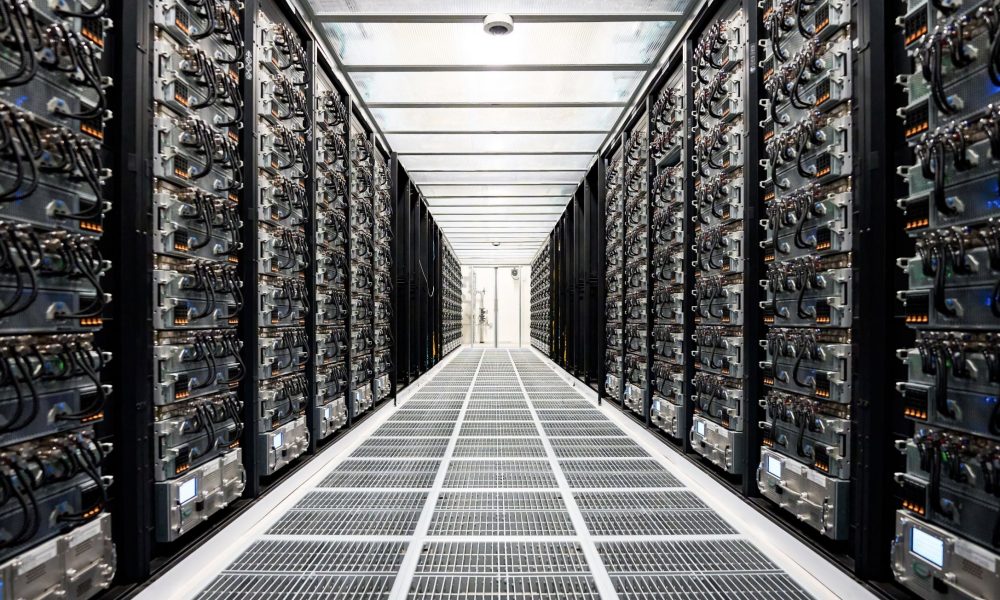
Tesla is on the cusp of a major strategic pivot with the imminent launch of its “Terafab Project,” an ambitious, vertically integrated chip fabrication initiative. CEO Elon Musk announced on X that the project is set to commence in just seven days, targeting March 21, 2026, for the start of operations. This $20 billion undertaking aims to produce advanced AI and memory chips, a move that could significantly reshape the automotive industry and beyond.
From Supply Concerns to In-House Production
The genesis of the Terafab Project stems from growing concerns over semiconductor supply chains. Tesla first publicly confirmed its plans during an earnings call on January 28, 2026. Musk informed investors that building an in-house chip fabrication facility was a necessity to preempt a projected supply constraint expected within three to four years.

The seeds for this large-scale investment were sown even earlier. At Tesla’s annual general meeting the previous year, Musk had voiced his concerns about the inadequacy of even the most optimistic chip production forecasts from suppliers. He emphasized the critical need for Tesla to construct a “gigantic chip fab.”
Giga Texas as the Epicenter
While Tesla has yet to issue an official statement on the precise location for the Terafab, all indications point towards the North Campus of Giga Texas in Austin. This speculation is fueled by extensive construction observed at the Giga Texas site.
Drone footage captured by observer Joe Tegtmeyer has revealed significant site preparation work north of the existing factory. The scale of this construction is substantial, reportedly rivaling the footprint of the original Giga Texas facility itself.
Ambitious Production Goals and Cutting-Edge Technology
The Terafab Project is designed for massive output, with projections estimating the annual production of 100 to 200 billion AI and memory chips. The facility targets an impressive 100,000 wafer starts per month, utilizing the most advanced 2-nanometer process technology currently anticipated for commercial production.
A key product expected from the Terafab is the Tesla AI5 chip. This next-generation chip is designed to offer a significant leap in performance, boasting 40 to 50 times more compute power and nine times more memory compared to its predecessor, the AI4. These highly optimized chips are intended to enhance the capabilities of Tesla’s Full Self-Driving (FSD) system and its Optimus humanoid robots, aiming for faster, safer, and fully autonomous operation.
Reshaping the AI Landscape
The successful establishment of a 2nm chip fab by Tesla would position the company among a select few entities capable of producing AI silicon in-house. This capability could have competitive implications extending far beyond Tesla’s automotive applications, potentially transforming Tesla into a significant chip supplier or licensor to other industries.
The next-generation Tesla AI chips are crucial for advancing the company’s Full Self-Driving software, the Cybercab Robotaxi program, and the development of the Optimus robot line. Musk’s ambitious roadmap for Optimus requires chip volumes that existing external suppliers may not be able to fulfill within Tesla’s desired timeline.
In contrast, competitors like Waymo and GM’s Cruise remain reliant on third-party silicon providers. This dependence leaves them vulnerable to the same supply chain disruptions that Tesla is now actively working to mitigate by controlling its chip production.
A Bold Move Towards Vertical Integration
The launch of the Terafab Project signifies Tesla’s commitment to owning its entire artificial intelligence stack, from software development to silicon manufacturing. While a fully operational factory will not appear overnight, the project’s commencement marks a serious step towards achieving this goal.
This strategic move underscores Tesla’s long-term vision of leveraging advanced AI and custom silicon to drive innovation across its diverse product portfolio, from electric vehicles to robotics and beyond.