
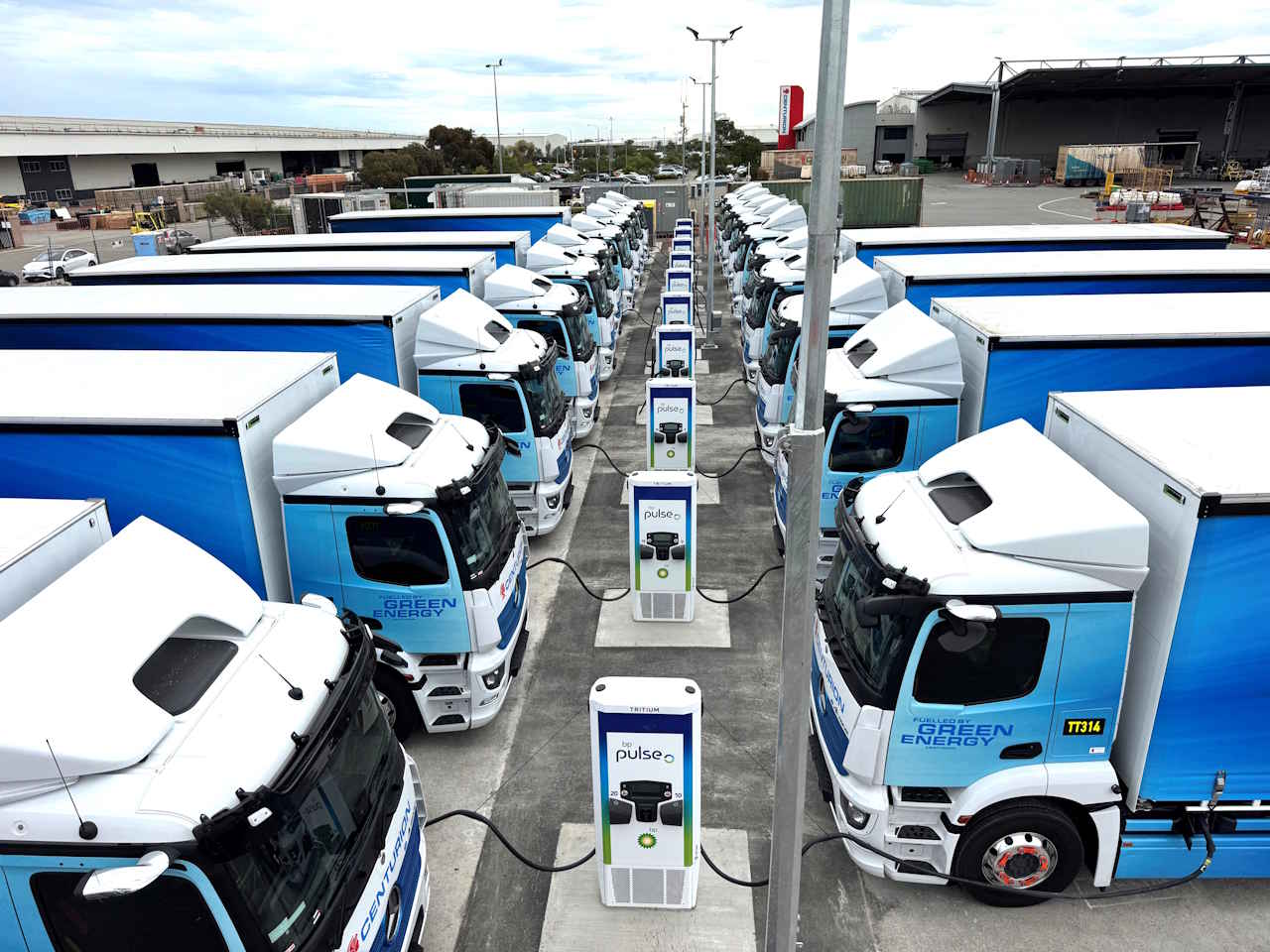
The Victorian Labor government has announced a comprehensive strategy to bolster the state’s vital freight industry, unveiling two pivotal programs designed to alleviate the burden of rising fuel costs and propel businesses towards cleaner, more sustainable transport solutions. These initiatives represent a significant commitment to modernising the sector, enhancing operational efficiency, and addressing environmental objectives.
With immediate effect, applications are open for the Freight Decarbonisation Co-Investment Program and the Victorian Electric Heavy Vehicle Trial. These programs are meticulously crafted to support freight operators across Victoria in their investment in low and zero-emission vehicles, essential charging infrastructure, and advanced technologies. The overarching goal is to reduce operational expenses and improve overall logistics performance, particularly in the wake of recent fuel price volatility.

A Strategic Pivot Towards Sustainable Logistics
The global energy landscape and increasing environmental imperatives have placed significant pressure on transport sectors worldwide to re-evaluate their operational models. For Victoria’s freight industry, a cornerstone of the state’s economy, this transition is not merely an option but a strategic necessity. By introducing targeted financial and experiential support, the government aims to de-risk the adoption of innovative green technologies for businesses that might otherwise find the initial investment prohibitive.
The move is a clear signal of the government’s commitment to creating a resilient, future-proof freight network that can withstand economic fluctuations while simultaneously contributing to broader climate goals. It acknowledges the dual challenge faced by freight operators: maintaining profitability in a high-cost environment and transitioning to environmentally responsible practices.
Addressing Fuel Costs and Enhancing Operational Efficiency
Melissa Horne, the state minister for ports and freight, underscored the urgency and benefits of these new programs. Addressing the immediate economic pressures, she stated, “We know the cost of fuel is hurting our freight operators which is why rolling out these programs will help freight businesses cut costs, boost efficiency and modernise their fleets for the future.”

The minister further highlighted the long-term vision behind the initiatives, emphasising accessibility and ease of transition. “We’re making it easier for operators to save on running costs while transitioning to cleaner, more reliable technology.” This approach is expected to provide tangible financial relief to businesses grappling with significant overheads from conventional fossil fuels, offering a pathway to operational savings through reduced fuel consumption and potentially lower maintenance requirements associated with electric and low-emission vehicles.
The Critical Role of Victoria’s Freight Industry
Victoria’s freight sector is an economic powerhouse, underpinning countless industries and supporting a vast workforce. Annually, it moves approximately 440 million tonnes of freight, a staggering volume essential for trade, manufacturing, and consumer supply chains. The sector is also a significant employer, providing livelihoods for around 240,000 people across the state, from drivers and logistics planners to maintenance technicians and administrative staff.
Projections indicate that this vital industry is set for continued growth in the coming decades, making its sustainability and efficiency paramount. Ensuring the freight industry can operate cleanly and cost-effectively is crucial not only for environmental protection but also for maintaining Victoria’s competitive edge and supporting its expanding economy. The strategic investment in freight decarbonisation Victoria aims to proactively address the environmental footprint of this growing sector.
Driving Change: The Freight Decarbonisation Co-Investment Program
Central to the government’s clean transport strategy is the $8 million Freight Decarbonisation Co-Investment Program. This substantial funding pool is specifically allocated to empower small and medium-sized freight businesses engaged in road or rail transport to make pivotal investments in sustainable technologies.
The program supports a diverse range of innovations, including the procurement of cleaner vehicles that emit fewer or no pollutants, the installation of crucial charging infrastructure necessary for electric fleets, the adoption of low-emissions fuels, and the integration of cutting-edge operational technologies designed to improve efficiency and reduce environmental impact.
Grant Structure and Co-Investment Model
Eligible businesses can apply for grants of up to $300,000, providing substantial financial leverage for their transition projects. A key feature of this program is its co-investment requirement, designed to foster a shared commitment between the government and businesses. Successful recipients are required to co-invest at a rate of 1:5. This means, for example, that a business receiving the maximum grant of $300,000 would need to contribute $60,000 in cash towards their decarbonisation initiative.
This model ensures that businesses have a vested interest in the success and longevity of their sustainable investments, promoting careful planning and responsible resource allocation. It also stretches the program’s impact, allowing more projects to be supported across the state as businesses commit their own capital.
Application Process and Key Dates
Businesses keen to capitalise on this opportunity must submit expressions of interest for the Freight Decarbonisation Co-Investment Program. The deadline for these submissions is precisely 4:00 pm on Wednesday, 22 April 2026. Further detailed information regarding eligibility criteria, application guidelines, and program objectives is readily available via the provided official channels, accessible here.
Pioneering Electric Mobility: The Victorian Electric Heavy Vehicle Trial
Complementing the co-investment program is the $1.5 million Victorian Electric Heavy Vehicle Trial, a collaborative effort delivered in partnership with the Victorian Transport Association (VTA). This trial is specifically designed to provide businesses with invaluable real-world experience in operating electric heavy vehicles.
The trial’s emphasis on practical application is crucial. It allows freight operators to test the performance, range, charging requirements, and overall operational viability of electric heavy vehicles within their existing logistical frameworks, thereby building confidence and practical expertise before committing to larger-scale investments. This hands-on approach is expected to generate critical data and insights, informing future policies and helping to refine the pathways for widespread adoption of electric vehicles in the freight sector.
As of the current reporting, specific additional details concerning the trial’s structure, participating businesses, or timelines have not yet been publicly released by the government. Further updates will be provided as this information becomes available, ensuring transparency and continued engagement with the industry.
Industry Applauds Forward-Thinking Approach
The introduction of these strategic programs has been met with significant approval from key industry stakeholders. The Victorian Transport Association (VTA) was particularly vocal in its commendation, recognising the government’s proactive stance in addressing a complex and evolving challenge. Peter Anderson, CEO of the VTA, lauded the government for “recognising the scale of the decarbonisation challenge and for supporting freight operators with meaningful, hands‑on programs.”
This endorsement from a leading industry body underscores the perceived relevance and potential impact of the initiatives. It highlights a shared understanding between government and industry regarding the necessity of transitioning to cleaner transport and the importance of collaborative efforts to achieve this transformation.
Advocacy for a Measured Transition
Peter Anderson further elaborated on the VTA’s long-standing advocacy for a systematic and well-considered approach to greening the freight sector. He articulated, “The VTA has consistently advocated for a measured, informed transition so that freight companies can adopt cleaner technologies when it makes operational and commercial sense.” This statement reflects a pragmatic industry perspective, acknowledging that while decarbonisation is essential, it must be executed in a manner that is both operationally feasible and commercially viable for businesses.
The VTA’s support for these programs stems from their alignment with this principle of a thoughtful transition. Anderson concluded, “While this shift will take years, the most important step is beginning with knowledge, clarity, and a plan.” This sentiment reinforces the value of programs that provide not just financial aid but also practical experience and clear guidance for businesses navigating the complexities of adopting new technologies and shifting away from traditional fuel sources.
Charting a Course for a Cleaner Freight Future
The Victorian government’s multi-million dollar investment in freight decarbonisation Victoria signifies a decisive step towards building a more sustainable and economically robust logistics sector. By tackling the twin challenges of high operational costs and environmental impact, these programs are set to deliver immediate relief to businesses while simultaneously laying the groundwork for a cleaner, more efficient future for freight transport.
These initiatives are expected to foster innovation, create new economic opportunities, and position Victoria as a leader in sustainable logistics. As the freight industry continues to expand, the early adoption of low and zero-emission vehicles and supporting infrastructure will be crucial in ensuring that economic growth is balanced with environmental responsibility, ultimately benefiting all Victorians through improved air quality and a reduced carbon footprint.