
Key Takeaways
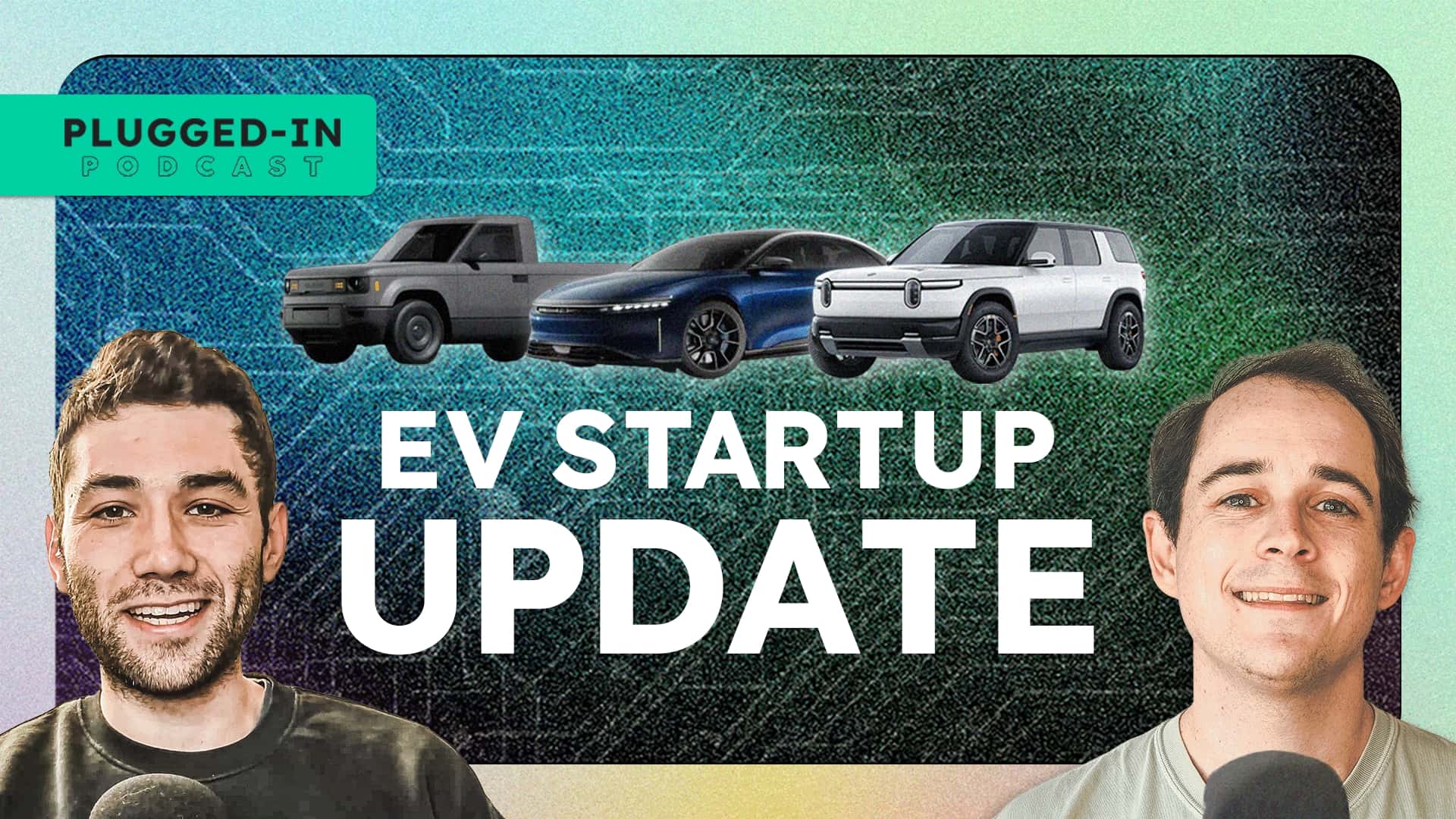
- Rivian, Lucid, and Slate are at a critical juncture, launching high-volume products amid a challenging EV market.
- Lucid recently secured $750 million in new investments, including $550 million from Saudi Arabia’s Public Investment Fund and $200 million from Uber, alongside a deal for 35,000 Gravity robotaxis. This capital infusion supports its shift to a mid-size platform with models like Cosmos and Earth.
- Slate successfully completed a $650 million Series C funding round, spearheaded by TWG Global, to bring its $25,000 bare-bones electric pickup truck to market, targeting fleets and DIY enthusiasts.
- Rivian is preparing for the crucial launch of its more affordable R2 model this spring, relying on momentum from its R1 and Electric Delivery Van sales, while simultaneously expanding its service infrastructure.
- All three EV startups face immense pressure to scale production, manage financial viability, and capture market share in a rapidly evolving and competitive automotive landscape.
EV Startups Face Defining Year Amid Market Headwinds
The electric vehicle (EV) sector is undergoing a profound transformation, marked by intense competition and shifting consumer preferences. For ambitious EV startups such as Rivian, Lucid, and Slate, the current year represents a critical period that will likely define their long-term trajectories. Each company is poised to launch pivotal new products, necessitating rapid scaling of production and robust revenue generation strategies, all while operating within an increasingly competitive and financially demanding market.
These innovative automotive manufacturers are not merely introducing new models; they are battling for market relevance and financial solvency. The stakes are exceptionally high, with significant capital investments and ambitious production targets underscoring the urgency of their current efforts. Navigating this complex landscape requires strategic agility, substantial financial backing, and a keen understanding of evolving consumer demands.

Lucid Motors: Strategic Investments and Mainstream Pivot
Lucid Motors, a prominent player in the luxury EV segment, has recently undertaken significant strategic maneuvers to fortify its financial position and broaden its market appeal. The company secured a substantial capital injection, including a $550 million investment from its majority owner, the Saudi Arabian Public Investment Fund. This move underscores the ongoing commitment from its principal backer and provides critical liquidity for its ambitious plans.
Further bolstering its financial outlook, Lucid also announced a $200 million investment from ride-sharing giant Uber. This partnership extends beyond capital, encompassing a significant agreement for Uber to purchase 35,000 Gravity robotaxis. This dual infusion of capital and a substantial sales commitment is expected to provide Lucid with the necessary runway to sustain operations until its more mainstream product lines can be launched and scaled effectively.
Shifting Focus to High-Volume Segments
Lucid’s initial market entry was defined by the high-dollar luxury sedan, the Air. While the Air has been lauded for its exceptional performance as an electric vehicle and its impressive range capabilities, market trends indicate a general consumer shift away from large, expensive sedans in favour of sport utility vehicles (SUVs). This evolving preference has prompted Lucid to recalibrate its product strategy.

The Gravity, a three-row SUV, was designed to address this market demand for larger vehicles. However, its entry into the market has faced initial challenges, and it operates within a niche, high-end segment with relatively lower sales volumes. Recognising the need for broader market penetration, Lucid is now directing its efforts toward developing a mid-size platform.
This new platform will underpin three crucial vehicles: the Cosmos, the Earth, and an unnamed third product with a more adventure-oriented design. These upcoming models are strategically positioned to compete in the highly contested mid-size vehicle segment, a market currently dominated by high-volume contenders such as the Tesla Model Y and Hyundai Ioniq 5. The success of these offerings will be pivotal in determining Lucid’s ability to capture significant market share and achieve economies of scale.
Slate: Disrupting the Pickup Market with a Bare-Bones Approach
Another innovative entrant, Slate, has successfully garnered significant financial backing for its unique vision of an electric pickup truck. The company recently closed a $650 million Series C funding round, with TWG Global anchoring the investment. This substantial funding is aimed at facilitating the production launch of its approximately $25,000 electric pickup truck.
Slate’s market strategy is distinctively iconoclastic, challenging conventional automotive design and consumer expectations. Instead of integrating a comprehensive suite of standard features, Slate plans to offer a truly bare-bones truck. This minimalist approach includes fundamental elements like crank windows, the absence of a built-in infotainment screen, and a two-door configuration. The company’s philosophy centres on empowering consumers to customise and upgrade their vehicles according to individual preferences, even offering an “SUV kit” that allows buyers to independently convert the truck into an SUV.
Market Positioning and Consumer Acceptance
The planned production commencement for Slate’s electric pickup is set for this year, with a full launch expected by the end of 2026. A key question for the company is how the vehicle will perform in a market where the $7,500 federal EV tax credit has ended. Industry observers anticipate that the truck’s low starting price, inherent simplicity, and presumably minimal operating costs will make it an attractive option for commercial fleets and niche enthusiasts initially.
However, securing broader public acceptance presents a considerable challenge. The market currently offers several sub-$30,000 vehicles that come standard with features like power windows, four doors, and integrated radios. Slate’s value proposition as a “pure value play” might face scrutiny against these more equipped alternatives. Instead, its appeal is likely to resonate strongly with a specific demographic: the tech-skeptical, DIY-oriented consumer who values utility and customisation over factory-installed luxuries.
The ultimate success of Slate will depend on the size and purchasing power of this niche market segment, and whether these consumers are prepared to invest in an untested vehicle concept. The company’s journey will provide valuable insights into the adaptability of consumer preferences within the burgeoning electric vehicle market.
Rivian: Scaling Production and Expanding the R2 Lineup
Rivian finds itself in a pivotal year, with the much-anticipated launch of its mid-size, more affordable R2 electric SUV scheduled to commence this spring. The success of the R2 is seen as a critical determinant for the company’s future growth and sustained market presence. While the exact timing of deliveries is closely watched, Rivian is actively maintaining its operational momentum.
The company continues to report growing sales for its existing R1T pickup, R1S SUV, and its Electric Delivery Van (EDV) fleet. These ongoing sales are crucial for generating revenue and maintaining production rhythms as Rivian prepares for the higher volumes expected from the R2. Parallel to its product launches, Rivian is aggressively expanding its service and sales network to ensure it can adequately support the increased demand and customer base associated with a high-volume product like the R2.
Ensuring Quality and Customer Satisfaction
On the front of consumer interest, the R2 appears to be well-positioned. Early assessments, including positive feedback from automotive experts such as former InsideEVs editor-in-chief Patrick George, have been overwhelmingly favourable. The R2’s design has been widely praised, and the Rivian brand itself carries an aspirational quality that resonates with many potential buyers.
The primary challenge for Rivian will be to avoid the common “teething issues” that have historically plagued numerous new EV launches. These issues often relate to initial production quality, software glitches, and insufficient after-sales support. Ensuring that its manufacturing processes are robust and that its service centres are fully prepared for the anticipated surge in demand will be paramount. The company’s sustained efforts in expanding its service infrastructure suggest a proactive approach, but only time will reveal the full impact of these preparations.
Navigating a Dynamic Electric Vehicle Landscape
The current automotive landscape is exceptionally dynamic, presenting unique challenges for EV startups. The initial excitement and investor enthusiasm that once characterized the sector have evolved into a more scrutinising environment, demanding proven execution and sustainable business models. Companies like Rivian, Lucid, and Slate must not only innovate technologically but also demonstrate robust manufacturing capabilities, efficient supply chain management, and effective customer acquisition strategies.
The transition to electric vehicles globally is undeniable, yet the path for individual manufacturers remains fraught with obstacles. Intense competition from established automakers, fluctuating raw material costs, and the need for significant infrastructure investment all contribute to a complex operational environment. Furthermore, evolving regulatory landscapes and varying consumer adoption rates across different regions add layers of complexity to market penetration strategies.
Financial stability, as evidenced by the recent funding rounds for Lucid and Slate, is a constant concern for EV startups. The immense capital expenditure required for vehicle development, factory construction, and large-scale production necessitates continuous access to significant funding. Investor confidence, therefore, remains a crucial element in their survival and growth. Building a strong brand identity and fostering customer loyalty are equally important in differentiating themselves in a crowded marketplace.
Outlook: A Test of Resilience and Innovation
This year stands as a definitive test of resilience and innovation for these prominent EV startups. While the vision for direct-to-consumer, EV-only mainstream brands holds considerable promise and a clear market opportunity, the journey to claim that space is arduous. The ability of Slate, Lucid, and Rivian to successfully navigate their product launches, scale production, manage financial pressures, and effectively address evolving consumer demands will be closely watched by industry observers and potential buyers alike.
The outcome of their efforts will not only shape their individual futures but also contribute significantly to the broader evolution of the electric vehicle industry. Their successes, or challenges, will offer valuable lessons for the entire automotive sector as it continues its profound shift towards electrification.
Frequently Asked Questions (FAQ)
What major products are Rivian, Lucid, and Slate launching this year?
Rivian is set to launch its more affordable R2 mid-size SUV. Lucid is pivoting towards its mid-size platform vehicles, including the Cosmos and Earth. Slate plans to begin production of its $25,000 bare-bones electric pickup truck, with a full launch in 2026.
How is Lucid Motors addressing financial and market challenges?
Lucid secured $750 million in new investments, comprising $550 million from the Saudi Arabian Public Investment Fund and $200 million from Uber, coupled with a deal to supply 35,000 Gravity robotaxis to Uber. These funds and sales volume aim to support its transition to higher-volume mid-size EVs.
What is unique about Slate’s electric pickup truck?
Slate’s electric pickup truck will feature a minimalist, bare-bones design, including crank windows and no infotainment screen, starting at approximately $25,000. It also offers an optional “SUV kit” for owner-installed conversion, appealing to DIY-oriented consumers and commercial fleets.
What are Rivian’s key priorities for the R2 launch?
Rivian’s key priorities for the R2 launch include ensuring a smooth production ramp-up, maintaining high-quality standards to avoid initial issues, and significantly expanding its service and sales network to accommodate the anticipated higher demand and broader customer base for the R2.
What are the broader market challenges facing these EV startups?
These EV startups face a highly competitive market, demanding substantial capital for scaling production, navigating complex supply chains, managing fluctuating raw material costs, and building extensive charging and service infrastructure. Investor confidence and effective customer acquisition strategies are also paramount.
Will Slate’s bare-bones approach appeal to mainstream buyers?
Slate’s approach, while appealing to fleets and tech-skeptical, DIY enthusiasts due to its low price and simplicity, faces challenges in attracting mainstream buyers accustomed to more feature-rich vehicles. Its broader market acceptance will depend on shifting consumer values regarding vehicle customisation and basic utility.