
Key Takeaways:
- Fisker is reportedly preparing for a potential bankruptcy filing, according to a Wall Street Journal report.
- The troubled electric vehicle (EV) startup has engaged restructuring advisors to navigate its significant financial challenges.
- The company previously disclosed “substantial doubt” about its ability to meet financial obligations without a critical cash infusion.
- Operational hurdles include lower-than-expected sales of its Ocean SUV, production cuts, and a proposed shift from a direct-sales model to a traditional dealer network.
- Fisker is actively seeking a strategic partnership with a larger automaker and additional capital to avert insolvency.
- The company faces a billion dollars in debt, a share price decline of over 97% since its IPO, and a lack of US manufacturing capabilities, impacting federal tax credit eligibility.
The electric vehicle (EV) startup Fisker is reportedly on the precipice of a potential bankruptcy filing, sending ripples through the automotive industry. A recent report from The Wall Street Journal indicates that the company, founded by design luminary Henrik Fisker, has enlisted restructuring advisors to assist with the process of a possible insolvency declaration.

This development follows Fisker’s earlier candid admission to investors, where it expressed “substantial doubt” regarding its capacity to meet its ongoing financial obligations without an immediate and significant cash infusion. The news underscores the intensifying financial pressures on the company amid a challenging landscape for EV manufacturers.
Mounting Financial Pressures and Bankruptcy Preparations
The engagement of bankruptcy advisors signals a serious turn in Fisker’s financial trajectory. Such a move is typically a precursor to formal insolvency proceedings, reflecting deep-seated financial distress.
This strategic move comes as the company navigates a period of profound uncertainty, battling both market skepticism and operational hurdles. The broader electric vehicle market, while growing, has also seen a recent slackening in demand, adding to the complexities faced by newer entrants like Fisker.

The Troubled Journey of the Fisker Ocean
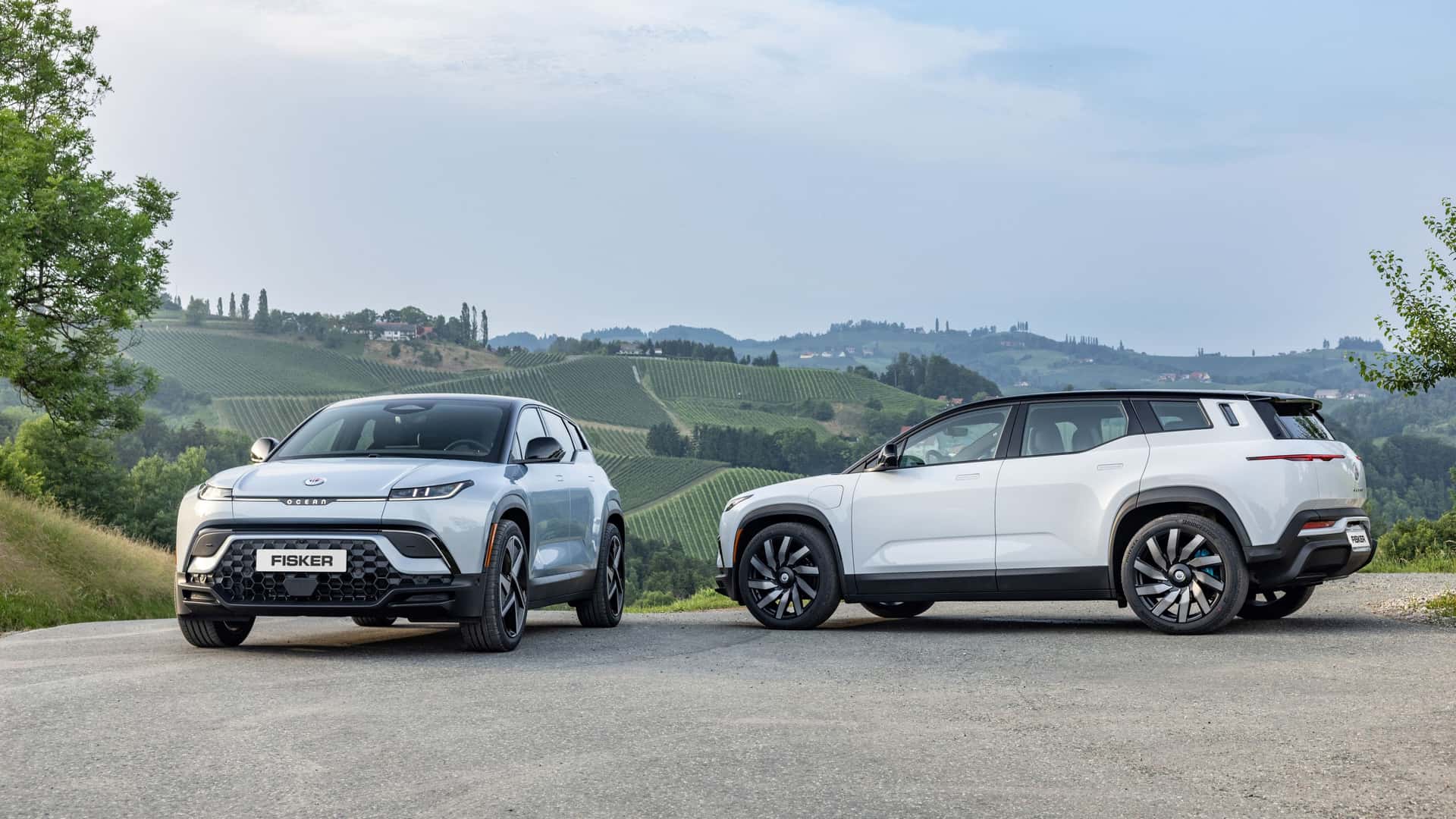
Fisker’s flagship product, the Ocean electric crossover, has been at the heart of its recent struggles. While its supplier, Magna, has manufactured approximately 10,000 units of the Ocean, the company has managed to sell only around half of them.
The vehicle’s launch last summer coincided with a broader slowdown in EV demand, complicating its market penetration efforts. Furthermore, the Ocean has been plagued by a series of high-profile issues, including a regulatory probe concerning its braking system and a highly critical review from a prominent technology influencer, which collectively damaged its public image and sales prospects.
Operational Challenges and Production Adjustments
In response to weaker-than-anticipated demand and an unviable sales model, Fisker was compelled to significantly cut back production in December. This adjustment highlighted the company’s struggle to align supply with actual market uptake.
The inherent challenges in scaling production and sales within the competitive EV segment have proven particularly arduous for Fisker, leading to difficult operational decisions and contributing to its current liquidity crisis. The company’s unique direct-to-consumer sales approach also presented unexpected hurdles.
Corporate Response and Strategic Shifts
In the wake of reports concerning its alleged retention of bankruptcy advisors, Fisker issued a statement outlining its current strategic focus. The company chose not to directly address the speculation but emphasized its ongoing efforts to strengthen its financial position and operational framework.
The statement read: “As a matter of company policy, Fisker does not comment on market rumors and speculation,” the statement said. “However, Fisker often works with outside advisors to help manage its business and assist in developing and executing strategies. does not comment on market rumors and speculation. Fisker is focused on raising additional capital and engaging in a strategic partnership with a large automaker. The company is also continuing to pursue its shift to a Dealer Partnership model in both North America and Europe. The leadership team is laser-focused on these efforts.”
Transitioning from Direct Sales to Dealer Network
A key strategic pivot for Fisker involves abandoning its original direct-sales model in favor of a traditional dealer partnership approach across North America and Europe. This shift acknowledges the difficulties encountered with its previous distribution strategy.
While moving to a dealer model could potentially expand its reach and alleviate some logistical burdens, it remains uncertain whether Fisker will sustain long enough to successfully implement this significant change. The transition itself requires substantial investment and time, resources that appear to be dwindling for the company.
A Deep Dive into Fisker’s Financial Standing
Fisker’s financial disclosures paint a stark picture, revealing a staggering “billion dollars of debt” as of its last filing. This considerable debt burden places immense pressure on the company to generate substantial revenue and secure new capital.
The sheer volume of Ocean sales required to address this debt makes the pursuit of a major strategic partnership and additional capital a critical necessity. Without these interventions, the path to financial recovery appears increasingly steep for the EV startup.
Impact on Investor Confidence and Shareholder Value
The financial distress and operational setbacks have taken a severe toll on investor confidence. The company’s share price has plummeted by over 97% since its initial public offering (IPO), as highlighted by The Wall Street Journal. This dramatic decline reflects deep market skepticism about Fisker’s long-term viability and its ability to compete effectively in the dynamic electric vehicle market.
Such a significant erosion of shareholder value further complicates efforts to raise new equity, making debt restructuring or asset sales potentially more appealing options in the face of a looming Fisker bankruptcy.
The Search for a Strategic Partner
Amidst its financial turmoil, Fisker is actively seeking a strategic partnership with a larger, established automaker. Industry rumors have suggested potential interest from companies like Nissan. However, the exact benefits a major automaker would derive from such a deal with Fisker remain unclear, given the latter’s current challenges.
Even Magna, the contract production company responsible for manufacturing the Ocean—and also a supplier for legacy original equipment manufacturers (OEMs) like Mercedes—has publicly identified its business relationship with Fisker as one of its financial risks. This underscores the precarious nature of Fisker’s current standing, impacting even its key partners.
Product Challenges and Market Reception
Beyond its financial woes, Fisker faces an uphill battle with its product line. There are no new products close to production, meaning the company cannot rely on fresh offerings to reinvigorate sales or market interest. This lack of a pipeline for future models further diminishes its long-term growth prospects.
Even setting aside the widely reported software and operational bugs, many reviewers have not found the Ocean electric crossover to be a particularly compelling offering in a crowded and competitive segment. This lukewarm reception for its primary vehicle compounds the company’s difficulties in attracting and retaining customers.
US Tax Credit Disadvantage
A significant strategic disadvantage for Fisker stems from its manufacturing arrangement. Since the Ocean is produced by Magna in Austria, the company lacks a U.S. production facility. This absence means that Fisker’s vehicles do not qualify for federal tax credits available to consumers purchasing domestically manufactured EVs.
In a market where cost incentives play a crucial role in consumer decisions, this inability to offer federal tax credits puts Fisker at a distinct disadvantage against competitors whose vehicles qualify, further impacting sales and market competitiveness. As the company navigates these stormy waters, the reported preparations for a potential Fisker bankruptcy filing suggest a difficult period ahead, as the EV startup seeks a viable path forward.
Frequently Asked Questions About Fisker’s Financial Situation
What is the latest news regarding Fisker’s financial health?
Fisker is reportedly preparing for a possible bankruptcy filing, as per a Wall Street Journal report. The company has hired restructuring advisors to explore options and previously disclosed “substantial doubt” about its ability to continue operations without new funding.
Why is Fisker facing financial difficulties?
Fisker’s challenges stem from multiple factors, including lower-than-expected sales of its Ocean EV, production cuts due to weak demand, significant debt (over a billion dollars), and issues with its direct-sales model. The overall slowdown in EV market demand has also intensified these pressures.
What is Fisker doing to address its financial problems?
The company is actively focused on raising additional capital and pursuing a strategic partnership with a larger automaker. Additionally, Fisker is working to shift its sales strategy from a direct-to-consumer model to a dealer partnership network in both North America and Europe.
What is the status of the Fisker Ocean electric crossover?
Fisker’s supplier, Magna, has produced approximately 10,000 Ocean units, but only about half have been sold. The vehicle has faced scrutiny over braking issues, received critical reviews, and was launched during a period of slackening EV demand, contributing to its sales struggles.
How has Fisker’s stock performed amidst these challenges?
Fisker’s share price has experienced a drastic decline, falling over 97% since its initial public offering (IPO). This significant drop reflects a substantial loss of investor confidence in the company’s future prospects and financial stability.
Does the Fisker Ocean qualify for federal EV tax credits in the US?
No, the Fisker Ocean does not qualify for federal EV tax credits in the United States. This is primarily because its manufacturing is contracted out to Magna in Austria, meaning it lacks a U.S. production facility, a key requirement for qualifying vehicles.