
Key Takeaways
- Hyundai Motor Group and SK On have officially commenced operations at their $5 billion electric vehicle battery manufacturing facility in Bartow County, Georgia.
- The joint venture, named Hyundai SK Battery Manufacturing America, is poised to produce 35 gigawatt-hours (GWh) of batteries annually, sufficient for 300,000 EVs at full capacity.
- This strategic investment aims to bolster domestic EV battery production and establish a robust electric vehicle manufacturing ecosystem in the United States.
- Despite a recent deceleration in U.S. EV sales and the conclusion of certain federal tax credits, Hyundai and Kia remain committed to their electrification strategy.
- The plant is expected to create approximately 3,500 jobs, contributing significantly to Georgia’s economic development and its growing status as an automotive manufacturing hub.
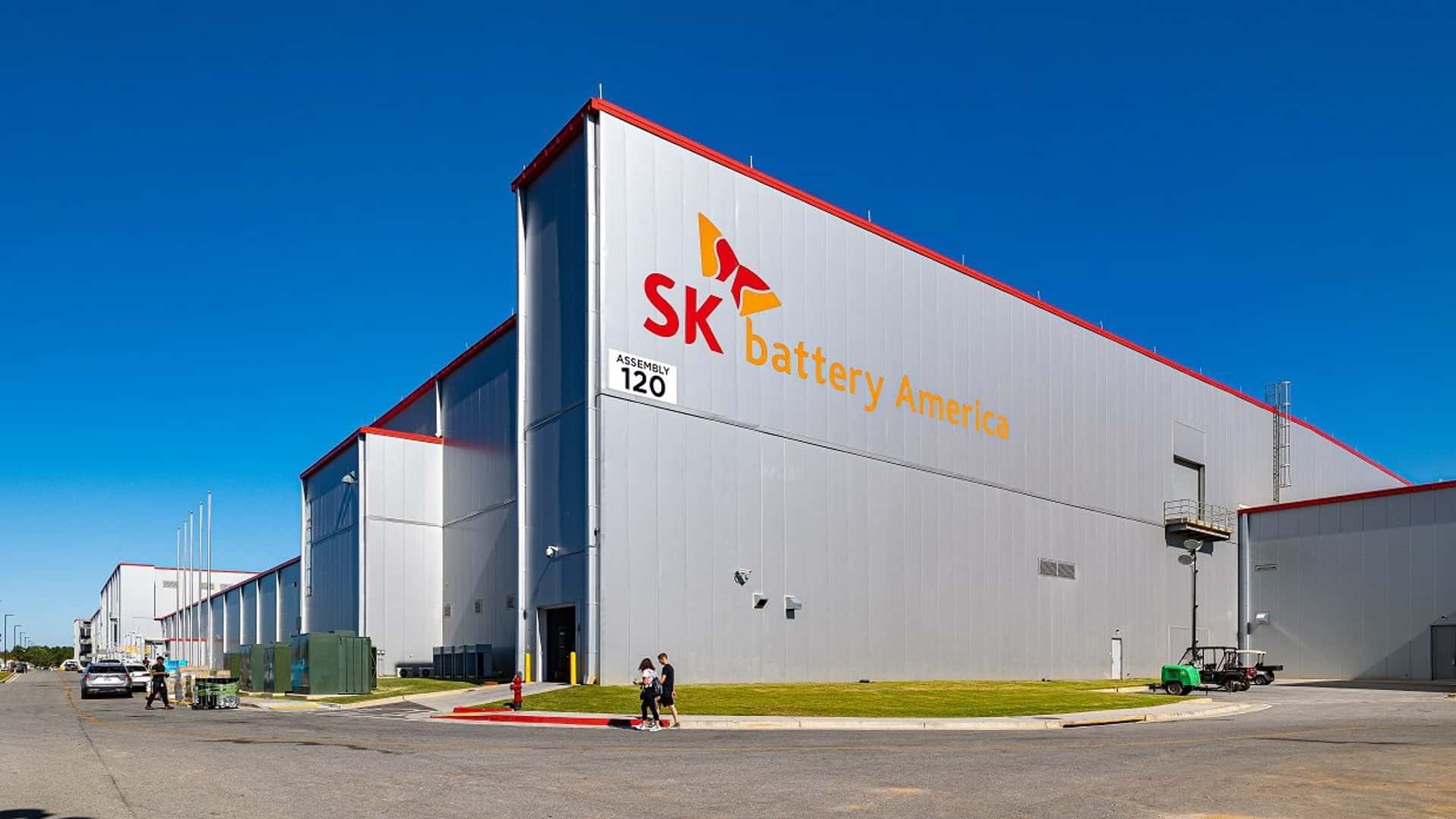
Hyundai Motor Group and its Korean battery partner SK On have officially activated their expansive $5 billion electric vehicle (EV) battery manufacturing facility in Bartow County, Georgia. This landmark project, a cornerstone of the state’s economic development initiatives, signals a critical step in localizing the EV supply chain for Hyundai and Kia vehicles across North America.
The joint venture, formally known as Hyundai SK Battery Manufacturing America, began trial runs last month and has now entered an initial production phase. The facility is expected to gradually ramp up its output, ultimately aiming for substantial capacity to meet future electric vehicle demands, as reported by The Atlanta Journal-Constitution, citing a Hyundai spokesperson.

A Monumental Investment in US Battery Production
First announced in 2022, the 3.3-million-square-foot Hyundai EV battery manufacturing plant represents one of the largest foreign direct investments in Georgia’s history. Its strategic importance lies in its ability to support Hyundai’s ambitious electrification goals by providing a dedicated, domestic source of high-performance batteries.
At its peak operational capacity, the facility is projected to achieve an annual production of 35 gigawatt-hours (GWh) of battery cells. This formidable output is estimated to be enough to power approximately 300,000 electric vehicles each year, underscoring the scale of Hyundai’s commitment to the U.S. EV market.
Beyond its production targets, the Bartow County plant is a significant job creator. It is anticipated to generate around 3,500 new employment opportunities, providing a substantial boost to the local economy and fostering a skilled workforce in advanced manufacturing technologies within Georgia.
Strategic Onshoring and Supply Chain Resilience
The establishment of this Hyundai EV battery manufacturing facility aligns with a broader industry trend towards onshoring critical components of the electric vehicle supply chain. This move aims to enhance supply chain resilience, reduce reliance on overseas production, and potentially mitigate geopolitical risks.
Domestic battery production is also crucial for automakers seeking to comply with evolving regulations and qualify for federal incentives, such as those outlined in the Inflation Reduction Act (IRA). These policies often require a certain percentage of EV components, including batteries, to be sourced and manufactured within North America to unlock consumer tax credits.
By establishing this robust local production capability, Hyundai is strategically positioning itself to leverage these incentives, making its electric vehicles more competitive and accessible to American consumers. This forward-looking approach ensures a stable and efficient supply of batteries for its rapidly expanding EV lineup.
Navigating the Evolving EV Market Landscape
While the new battery plant marks a significant milestone, its journey to full capacity will unfold amidst a complex and evolving electric vehicle market. The U.S. has recently experienced a slowdown in the pace of EV sales growth, partly attributed to the conclusion of some federal tax credits and fluctuating consumer demand.
Despite these market headwinds, Hyundai and Kia have largely maintained their aggressive electrification strategies. Unlike some American automakers who have recalibrated their EV ambitions to prioritize more profitable traditional gasoline-powered trucks and SUVs, the Korean automotive giants have steadfastly pursued their electric future.
This unwavering commitment is evident in their continued investments in manufacturing infrastructure and their consistent introduction of new EV models. Their long-term vision emphasizes sustainable mobility and a comprehensive transition to electric powertrains, backed by substantial capital expenditure in facilities like the Georgia battery plant.
Synergy with Vehicle Production in Georgia
The operationalization of the Bartow County battery facility creates a synergistic ecosystem with Hyundai and Kia’s existing and upcoming vehicle assembly plants in Georgia. This integrated approach ensures a localized and efficient supply chain, minimizing transportation costs and optimizing production timelines.
Crucially, the batteries produced at the Hyundai SK Battery Manufacturing America plant will primarily supply the nearby Hyundai Motor Group Metaplant America, situated near Savannah. This state-of-the-art facility is responsible for assembling popular EV models such as the Hyundai Ioniq 5 crossover and the upcoming three-row Ioniq 9 SUV.
Furthermore, the mechanically related Kia EV6 and the larger Kia EV9 are manufactured at Kia’s established plant in West Point, Georgia. This network of interconnected facilities solidifies Georgia’s role as a central hub for the production of Hyundai and Kia’s electric vehicle offerings in the North American market.
Broader Investments and Challenges in the Region
Hyundai’s investment in Georgia extends beyond the SK On partnership. The company also maintains a separate 50-50 joint venture with another Korean battery giant, LG Energy Solution, known as HL-GA Battery Company, also located in Bartow County. This $4.3 billion project was initially planned to add another 30 GWh of battery capacity, sufficient for an additional 300,000 EVs.
However, the HL-GA plant faced challenges last year, including an immigration raid that resulted in production delays and the detention of Korean nationals involved in setting up the facility. Such incidents underscore the complexities inherent in establishing large-scale international manufacturing operations.
Beyond Hyundai, Georgia has attracted other major players in the electric vehicle sector. Rivian, the American electric vehicle manufacturer, is also planning a multi-billion-dollar plant in the state. While its R2 model is currently produced at an expanded factory in Normal, Illinois, the Georgia plant is slated to significantly boost R2 capacity, initiate production of the smaller R3, and manufacture 50,000 robotaxis for its partnership with Uber.
Outlook and Economic Impact
The activation of the Hyundai SK Battery Manufacturing America plant signifies a pivotal moment for both the company and the state of Georgia. It reinforces Hyundai’s strategic push into the electric vehicle segment and strengthens Georgia’s position as a burgeoning center for advanced automotive manufacturing.
As the facility gradually scales up production, it will not only provide a stable supply of high-quality batteries for a new generation of electric vehicles but also stimulate economic growth through job creation and ancillary business development. The success of this Hyundai EV battery manufacturing endeavor will serve as a bellwether for the broader transition towards electrification in the U.S. automotive industry.
FAQ Section
What is the purpose of the new Hyundai-SK On battery plant in Georgia?
The plant, a joint venture named Hyundai SK Battery Manufacturing America, aims to onshore the production of electric vehicle batteries for Hyundai and Kia models. This initiative is crucial for establishing a robust domestic EV manufacturing ecosystem and ensuring a localized, stable supply chain for their growing electric vehicle lineup in the U.S. market.
What is the production capacity of the Hyundai SK Battery Manufacturing America plant?
At its full operational capacity, the facility is designed to produce 35 gigawatt-hours (GWh) of batteries annually. This substantial output is estimated to be sufficient to power approximately 300,000 electric vehicles each year, supporting Hyundai and Kia’s aggressive electrification goals and enhancing their presence in the North American EV market.
How many jobs is the new battery facility expected to create?
The Hyundai SK Battery Manufacturing America plant is projected to create approximately 3,500 new jobs. This significant employment generation is expected to provide a substantial economic boost to Bartow County and the wider Georgia region, fostering a skilled workforce in advanced manufacturing technologies within the state.
Why is domestic EV battery production important for Hyundai and Kia?
Domestic EV battery production is vital for several reasons, including enhancing supply chain resilience, reducing reliance on international logistics, and optimizing production efficiencies. Furthermore, it helps Hyundai and Kia comply with U.S. federal incentives, such as those from the Inflation Reduction Act, making their electric vehicles more competitive and accessible to American consumers.
How does the new battery plant integrate with Hyundai and Kia’s vehicle production?
The batteries produced at the Bartow County plant will primarily supply Hyundai Motor Group’s Metaplant America near Savannah, which assembles models like the Ioniq 5 and Ioniq 9. This integration ensures a localized supply chain, streamlining the manufacturing process for Hyundai and Kia’s electric vehicles assembled in Georgia, and supports overall production synergy.
Are other automakers also investing in EV manufacturing in Georgia?
Yes, Georgia is emerging as a significant hub for EV manufacturing. Besides Hyundai’s extensive investments, Rivian is also planning a multi-billion-dollar plant in the state. This facility is expected to expand production capacity for its R2 model, manufacture the smaller R3, and produce robotaxis for its partnership with Uber, further diversifying Georgia’s EV industry landscape.