
Key Takeaways
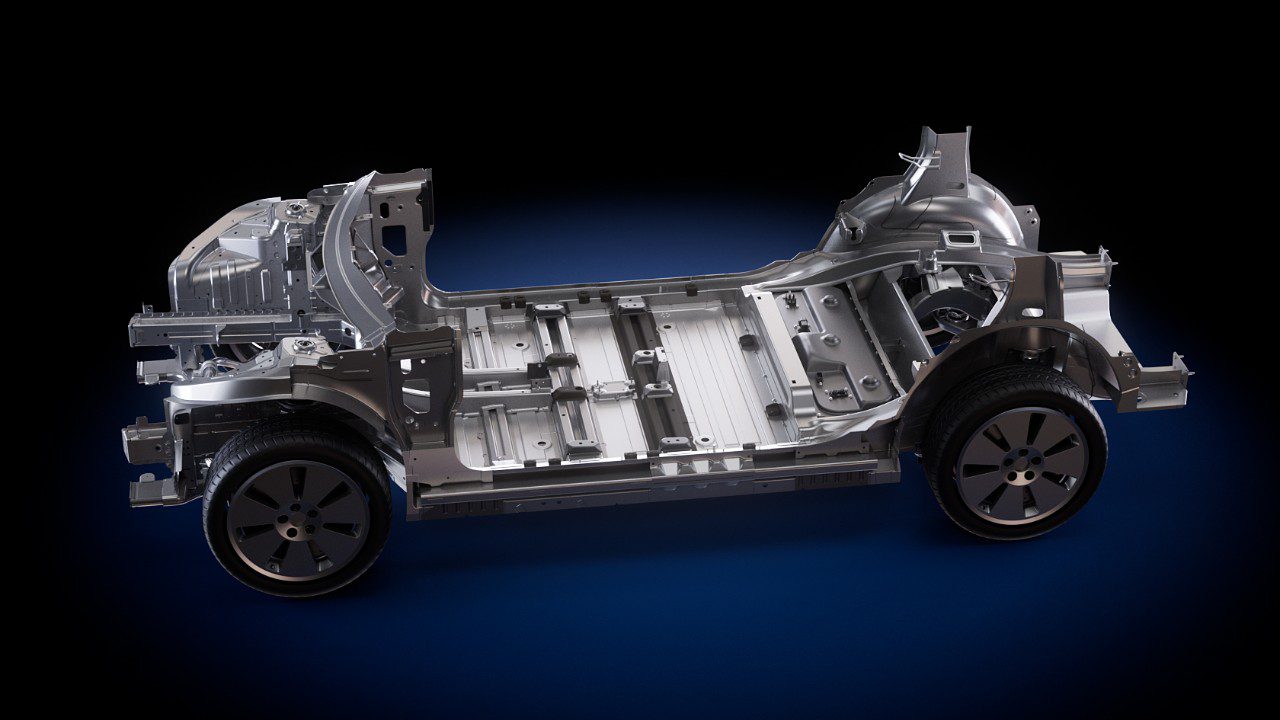
General Motors (GM) has officially detailed its fourth-generation electric vehicle (EV) platform, representing a significant stride in the automaker’s commitment to electrification. This advanced architecture integrates groundbreaking lithium manganese-rich (LMR) battery technology, a sophisticated Central Compute Unit (CCU), and enhanced manufacturing processes.
Key innovations include a projected 20% increase in range per kilowatt-hour, achieved through more efficient electric propulsion and aerodynamic enhancements. The LMR batteries are designed to offer 33% greater energy density than lithium iron phosphate (LFP) chemistries at a comparable cost, enabling longer driving ranges. Furthermore, the new platform promises substantial improvements in computing power, wiring reduction, and manufacturing efficiency, poised to accelerate GM’s electric vehicle production and innovation trajectory.

General Motors Pioneers Next-Generation EV Architecture
Detroit-based automotive giant General Motors (GM) has pulled back the curtain on its highly anticipated fourth-generation electric vehicle (EV) platform. This strategic announcement, detailed on November 3, 2026, underscores GM’s intensified focus on advanced electrification, promising a leap forward in performance, efficiency, and manufacturing prowess for its future EV lineup. The comprehensive platform is engineered to deliver enhanced capabilities across multiple critical domains, from energy storage to digital intelligence and production methodology.
The introduction of this next-generation EV architecture reflects a concerted effort by GM to solidify its position in the rapidly evolving global electric vehicle market. It is designed not only to boost vehicle performance but also to streamline manufacturing, ultimately aiming to make electric vehicles more accessible and appealing to a broader consumer base. This comprehensive approach aligns with the industry’s drive towards sustainable and technologically advanced mobility solutions.
Revolutionary LMR Battery Technology at Core
At the heart of GM’s new platform lies a significant advancement in battery chemistry: the integration of lithium manganese-rich (LMR) batteries. These innovative batteries are housed in prismatic cells, which are produced by Ultium Cells, GM’s joint venture with LG Energy Solution. The state-of-the-art manufacturing facility located in Spring Hill, Tennessee, is instrumental in bringing this cutting-edge technology to fruition.

Traditional battery development cycles, which often involve the physical testing of hundreds or even thousands of cell designs, can span several years. However, GM dramatically accelerated this process by employing advanced computer modeling. This sophisticated digital approach allowed engineers to evaluate more than 300,000 battery designs virtually before constructing a single physical prototype. This expedited methodology enabled the team to progress from an initial LMR battery pack concept to formal program approval in a remarkable period of just one month.
The LMR chemistry is poised to deliver substantial performance benefits. GM anticipates these batteries will offer an impressive 33% more energy density compared to current lithium iron phosphate (LFP) formulations. Crucially, this enhanced energy density is expected to be achieved at a price point comparable to that of LFP batteries, enabling longer driving ranges without incurring additional cost burdens for consumers. This dual advantage of superior performance and cost-effectiveness positions LMR batteries as a cornerstone of GM’s future EV strategy.
Elevated Performance and Efficiency Across Systems
The overarching philosophy guiding the development of GM’s fourth-generation EV platform is the pursuit of greater performance within more compact, lighter, and cost-effective packages across all major vehicle systems. This integrated design approach ensures that each component contributes synergistically to the vehicle’s overall efficiency and capabilities.
A critical outcome of these engineering advancements is the expectation of approximately 20% more range per kilowatt-hour of energy. This significant improvement is attributed to a combination of factors, including more efficient electric propulsion systems and sophisticated aerodynamic enhancements incorporated into the vehicle design. Such efficiency gains are vital for addressing consumer concerns regarding range anxiety and the convenience of EV ownership.
Advanced Electric Motors and Power Electronics
The new platform features a redesigned family of electric motors and power electronics, meticulously engineered for optimal performance and reduced complexity. A standout achievement in this area is the substantial reduction in the number of parts within each drive unit by 40%. This simplification not only contributes to a lighter overall vehicle but also promises enhanced reliability and reduced manufacturing costs.
Fewer components translate into fewer potential points of failure, contributing to greater durability and a longer operational lifespan for the electric drivetrain. The integration of advanced power electronics further refines energy conversion and management, ensuring that power delivery is both efficient and responsive, thereby improving the driving experience.
Central Compute Unit Redefines Vehicle Intelligence
A cornerstone of GM’s forward-looking EV strategy is the new computing and electrical architecture, centered around the Central Compute Unit (CCU). This advanced system represents a paradigm shift from traditional, distributed vehicle control modules to a centralized processing hub. The new architecture significantly reduces complexity by requiring fewer control modules and approximately 30% less wiring than current EV systems.
Beyond its physical streamlining, the CCU boasts an astounding 40 times more processing power than its predecessors. This immense computational capability provides a robust and scalable foundation for future software updates, advanced energy management systems, and continuous improvements to sophisticated features such as Super Cruise and OnStar. A centralized, powerful computing backbone ensures that GM’s EVs can adapt and evolve throughout their lifecycle, offering enhanced functionalities and a more connected driving experience.
Transforming EV Manufacturing with Digital Precision
Alongside its technological advancements in vehicle components, GM has also re-engineered its electric vehicle manufacturing processes. This transformation is deeply rooted in digital innovation, aiming to enhance efficiency, quality, and safety across the production line.
Assembly workers on the new platform will benefit from direct access to detailed production data, providing real-time insights and enabling more precise and informed decisions during the assembly process. Furthermore, the integration of digital models allows manufacturing teams to simulate and test various production steps in a virtual environment. This proactive approach enables the identification of potential safety or ergonomic concerns before any physical hardware is installed, leading to a safer and more efficient workplace.
GM reports that this innovative approach has already yielded tangible results, reducing the time required to move battery packs through the production process by a significant 30%. Similar digital tools and methodologies are being applied across critical manufacturing stages, including stamping, casting, welding, painting, and final assembly, ensuring a cohesive and highly optimized production ecosystem for GM’s next-generation electric vehicles.
The Road Ahead for GM’s Electrification Journey
The unveiling of GM’s fourth-generation EV platform marks a pivotal moment in the company’s ambitious electrification journey. By focusing on fundamental improvements in battery chemistry, computational architecture, electric propulsion, and manufacturing efficiency, GM aims to deliver electric vehicles that are not only technologically superior but also more practical and appealing for a global audience.
This holistic approach to EV development underscores GM’s commitment to sustainable mobility and positions the automaker to capitalize on the growing demand for electric vehicles. As these innovations move from the engineering labs to production lines, they are expected to significantly influence the future landscape of electric transportation, setting new benchmarks for performance, cost-effectiveness, and intelligent vehicle capabilities.
FAQ
What defines GM’s fourth-generation EV platform?
GM’s fourth-generation EV platform is characterized by its integration of lithium manganese-rich (LMR) batteries, a powerful Central Compute Unit (CCU), and advanced electric propulsion systems. It also incorporates significant manufacturing process enhancements through digital tools, all aimed at improving efficiency, range, and overall vehicle intelligence.
What are the key benefits of LMR batteries in this platform?
Lithium manganese-rich (LMR) batteries are a core innovation, offering an estimated 33% higher energy density than lithium iron phosphate (LFP) batteries at a comparable cost. This enables longer driving ranges for electric vehicles without increasing their price, making EVs more accessible and practical.
How does the new Central Compute Unit (CCU) enhance GM EVs?
The Central Compute Unit (CCU) serves as a centralized processing hub, consolidating control functions and reducing wiring by 30%. With 40 times more processing power, it provides a robust foundation for future software updates, advanced energy management, and improved intelligent features like Super Cruise and OnStar.
What manufacturing innovations are part of this new platform?
GM has embraced digital transformation in its EV manufacturing. This includes providing assembly workers with detailed production data and using digital models to test production steps. This approach has already reduced battery pack production time by 30% and is applied across various assembly stages.
What range improvements can be expected from vehicles built on this platform?
Vehicles utilizing GM’s fourth-generation EV platform are projected to achieve approximately 20% more range per kilowatt-hour of energy. This improvement is a result of more efficient electric propulsion systems, enhanced aerodynamics, and the higher energy density of the new LMR battery chemistry.
When was GM’s fourth-generation EV platform announced?
The details of GM’s fourth-generation EV platform were described in an announcement made on November 3, 2026. This unveiling marks a significant step in the company’s ongoing efforts to advance its electric vehicle technology and production capabilities.