
Key Takeaways
- General Motors has announced its fourth-generation EV platform, marking a significant advancement in its electrification strategy.
- The new platform integrates Lithium Manganese-Rich (LMR) battery chemistry, offering 33% more energy density than LFP at a comparable cost.
- A new Central Compute Unit (CCU) provides 40 times more processing power, enabling advanced software updates and improved features like Super Cruise.
- Enhanced electric propulsion systems and aerodynamic improvements are projected to deliver approximately 20% more range per kilowatt-hour.
- Manufacturing processes have been streamlined with digital tools, reducing battery pack production time by 30% and improving overall efficiency.
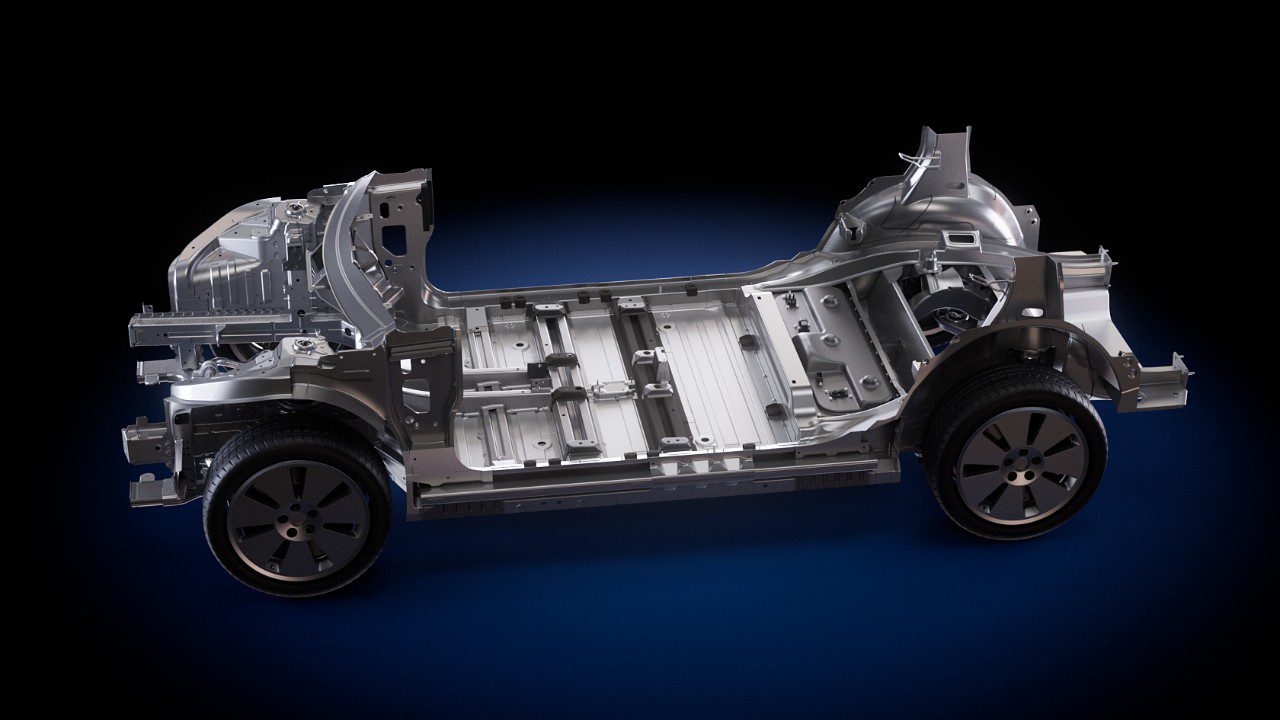
General Motors (GM) has officially announced its fourth-generation electric vehicle (EV) platform, signaling a renewed and accelerated push into the electric future. This latest iteration represents a significant engineering leap, integrating cutting-edge battery technology, advanced computing power, and streamlined manufacturing processes designed to enhance range, performance, and efficiency across its forthcoming EV lineup.
Following a period of strategic adjustments in its electrification timeline, GM appears to be firmly re-engaging its commitment to electric mobility. This new platform, while yet to receive a catchy market name, is poised to underpin a diverse array of future GM electric vehicles, promising a more integrated and cost-effective approach to EV development and production.

Revolutionary LMR Battery Technology at the Core
At the heart of GM’s fourth-generation EV platform is the deployment of Lithium Manganese-Rich (LMR) battery chemistry. These advanced batteries will be housed in prismatic cells, produced by Ultium Cells, GM’s joint venture with LG Energy Solution, located in Spring Hill, Tennessee.
The selection of LMR chemistry is a strategic move to balance energy density with cost-effectiveness. According to GM, LMR is expected to deliver an impressive 33% more energy density compared to traditional lithium iron phosphate (LFP) batteries. This enhanced density translates directly into longer driving ranges, a critical factor for consumer adoption, while maintaining a price point comparable to that of LFP alternatives.
The development process for this new battery chemistry highlights GM’s commitment to innovation and efficiency. Traditionally, developing new battery chemistries requires extensive physical testing, often involving hundreds or thousands of cell designs over several years. However, GM leveraged advanced computer modeling to evaluate over 300,000 battery designs virtually before constructing a single physical prototype. This sophisticated approach allowed the team to move from its initial LMR battery pack concept to formal program approval in just one month, drastically accelerating development timelines.
Centralized Computing and Electrical Architecture
A cornerstone of GM’s fourth-generation EV platform is its new computing and electrical architecture, anchored by a Central Compute Unit (CCU). This centralized system represents a profound shift from previous decentralized architectures, consolidating control and significantly boosting processing capabilities.
The new architecture requires fewer control modules compared to current EV designs and features 30% less wiring, contributing to a lighter and less complex vehicle. More critically, the CCU boasts 40 times more processing power. This immense computational capability provides a robust and simpler foundation for continuous software updates, sophisticated energy management systems, and significant enhancements to advanced driver-assistance features such as Super Cruise and OnStar.
By centralizing processing, GM aims to future-proof its vehicles, enabling over-the-air updates that can introduce new functionalities, improve existing systems, and optimize vehicle performance throughout its lifespan. This approach not only enhances the user experience but also positions GM to rapidly adapt to evolving technological landscapes and consumer demands.
Enhanced Electric Propulsion and Aerodynamic Efficiency
Beyond batteries and computing, GM’s fourth-generation EV platform incorporates advancements in electric propulsion systems. A new family of electric motors and power electronics has been developed, designed for greater efficiency and reduced complexity.
These new drive units reduce the number of parts in each by 40%. This simplification not only leads to more robust and reliable systems but also contributes to the overall goal of achieving more performance in smaller, lighter, and more cost-effective packages. The integration of these advanced motors with the new electrical architecture ensures optimal power delivery and energy utilization.
Complementing these internal engineering improvements, GM has also focused on aerodynamic enhancements for its future EV models. The combination of more efficient electric propulsion, advanced LMR batteries, and aerodynamic refinements is expected to deliver approximately 20% more range per kilowatt-hour of energy. This represents a substantial improvement in overall energy efficiency, directly benefiting range anxiety and operational costs for users.
Transforming EV Manufacturing Processes
The innovations extending to GM’s fourth-generation EV platform are not confined to vehicle components; they also encompass a significant overhaul of the manufacturing process. GM has implemented advanced digital tools and methodologies to streamline production, enhance safety, and improve efficiency across its assembly lines.
Assembly workers will now have access to detailed production data, providing real-time insights that can optimize tasks and improve quality control. Crucially, digital models are being utilized to test production steps and proactively identify potential safety concerns or ergonomic challenges before any new hardware is installed on the factory floor. This proactive approach minimizes risks, reduces rework, and accelerates the entire manufacturing cycle.
This new approach has already yielded tangible results, helping GM reduce the time required to move battery packs through the production process by an impressive 30%. Similar digital modeling and data-driven tools are being applied across various stages of vehicle manufacturing, including stamping, casting, welding, painting, and final assembly, ensuring a cohesive and highly efficient production ecosystem for GM’s future electric fleet.
Strategic Implications for GM’s Electric Future
The introduction of GM’s fourth-generation EV platform underscores the automaker’s long-term vision for electric mobility. By integrating highly efficient LMR batteries, a powerful centralized computing architecture, and optimized propulsion systems, GM is laying the groundwork for a new era of electric vehicles that are not only capable of longer ranges and superior performance but are also more cost-effective to produce and maintain.
These advancements reflect a comprehensive strategy to enhance every aspect of the EV lifecycle, from design and manufacturing to ownership experience. As the automotive industry continues its rapid transition towards electrification, GM’s focus on these core technological pillars positions it as a formidable competitor in the global EV market.
Source: GM
Frequently Asked Questions (FAQ)
What is GM’s fourth-generation EV platform?
GM’s fourth-generation EV platform is a new, advanced electric vehicle architecture integrating LMR battery chemistry, centralized computing, and updated Super Cruise technology, designed to deliver enhanced range, performance, and manufacturing efficiency for future GM EVs.
What are the key improvements in the new platform’s battery technology?
The platform features Lithium Manganese-Rich (LMR) batteries in prismatic cells, which offer 33% more energy density than LFP batteries at a comparable cost. This technology was developed rapidly using extensive computer modeling.
How does the new Central Compute Unit (CCU) enhance GM’s EVs?
The CCU centralizes computing, reducing control modules and wiring by 30% while offering 40 times more processing power. This enables advanced software updates, improved energy management, and enhanced features like Super Cruise and OnStar.
What range improvements can be expected from this platform?
Through a combination of more efficient electric propulsion, LMR battery technology, and aerodynamic improvements, GM expects its fourth-generation EV platform to deliver approximately 20% more range per kilowatt-hour of energy.
How is GM optimizing its EV manufacturing processes?
GM is using digital models to test production steps and identify safety concerns before installation. Assembly workers have access to detailed production data, which has helped reduce battery pack production time by 30%.
What are the implications for electric motors and power electronics?
The platform introduces a new family of electric motors and power electronics that reduce the number of parts in each drive unit by 40%, contributing to smaller, lighter, and more cost-effective packages with improved performance.
Where are the new LMR batteries being produced?
The new LMR prismatic cells are being produced by Ultium Cells, a joint venture between GM and LG Energy Solution, located in Spring Hill, Tennessee.
How quickly was the new LMR battery concept developed?
GM utilized computer modeling to evaluate over 300,000 battery designs, allowing the team to move from the initial LMR battery pack concept to formal program approval in an expedited timeframe of just one month.