
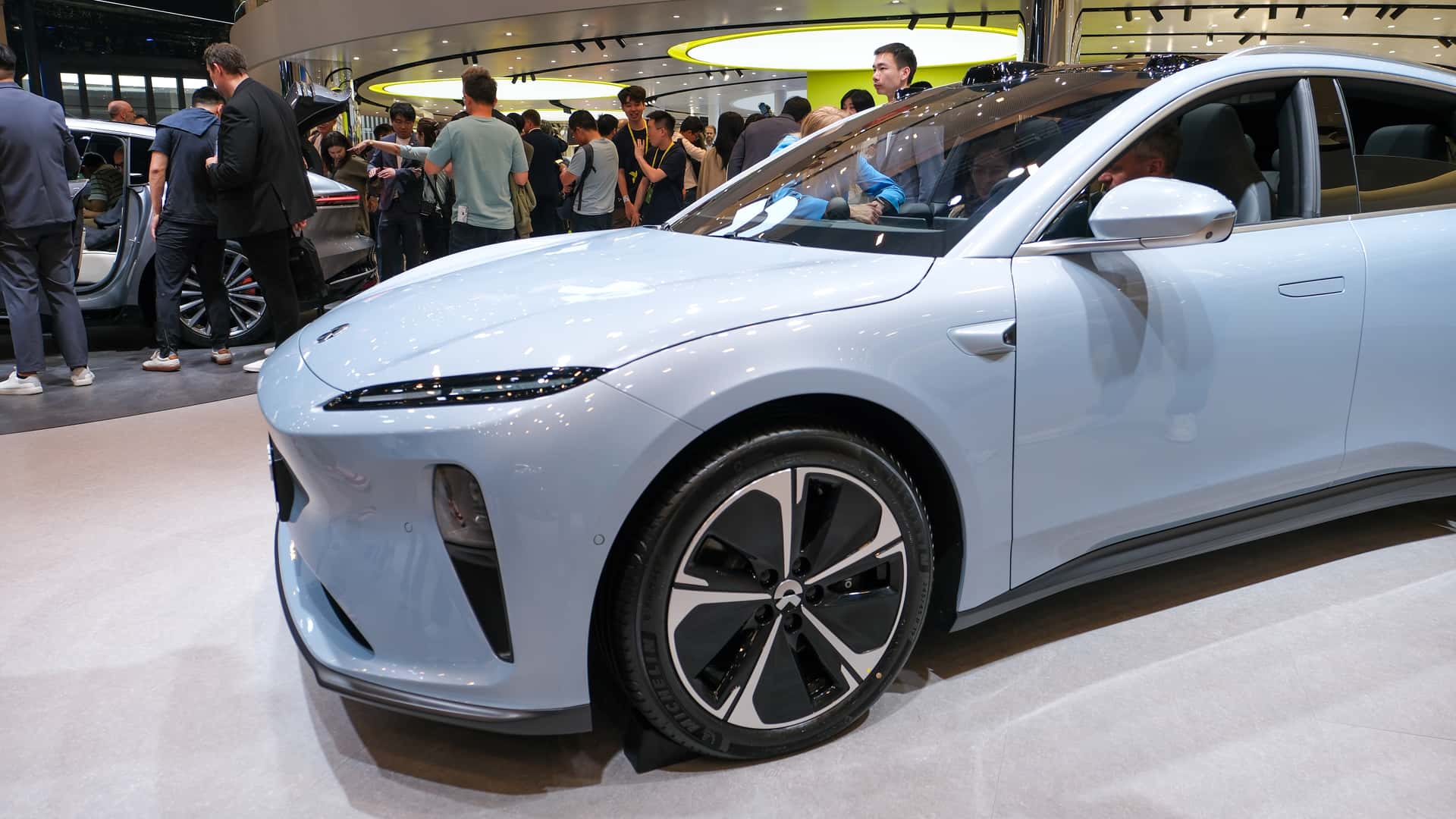
Beijing, China – The electric vehicle (EV) market in China, renowned for its rapid innovation and intense competition, is pushing automakers to differentiate themselves not just through technology, but by offering unique consumer experiences. With a saturated landscape where range anxiety and charging infrastructure are becoming less of a concern for consumers, brands are increasingly focusing on brand identity and holistic customer engagement to stand out.
A Crowded Field Demands New Strategies
China’s automotive market is teeming with EV manufacturers, many of whom are not yet profitable, suggesting an inevitable consolidation. Amidst this dynamic environment, companies are exploring innovative strategies to capture consumer attention and loyalty. Nio, a prominent Chinese EV maker known for its pioneering battery-swapping technology, is at the forefront of this shift, as showcased at CES 2026 with the unveiling of its most luxurious vehicle to date, the ET9 Horizon Edition.
Nio Bets on Holistic Experience for Future Success
Nio’s head of product experience, Ted Li, emphasized the company’s long-term vision, stating that Nio was founded with a broader objective than just being a car company. “The core and the starting point of this journey is actually marching toward an end point of holistic experience,” Li explained. This philosophy extends to vehicles like the ET9, which features advanced technologies such as a Dolby Atmos sound system and a sophisticated suspension designed to offer an exceptionally smooth ride.
Innovative Features Create Immersive Encounters
The Nio ET9 boasts a predictive suspension system that remarkably absorbs road imperfections, providing a composed and stable ride. Beyond its driving dynamics, Nio leverages this technology for a “5D” experience, where the car’s body can move in sync with on-screen infotainment content while parked. Coupled with Dolby Atmos’s 3D spatial audio, this transforms the vehicle into an immersive entertainment platform, likened to an amusement park ride experience, complete with massaging seats and premium interiors.
Beyond Technology: Building a Brand Identity
Li argues that many automakers, including Western brands, often focus too narrowly on technology, comparing themselves to tech giants like Apple without fully grasping what constitutes a meaningful brand experience. He believes that the true differentiator lies in understanding how all components of a brand work together to offer a desired experience to clientele.
Competition from Established and Emerging Players
The Chinese EV market is fiercely competitive, with Nio’s ET9 contending against vehicles like the Huawei-backed Maextro S800 and BYD’s Yangwang U7. Even in lower market segments, brands such as Zeekr, Xiaomi, and Xpeng offer compelling EV, PHEV, and EREV options. Industry insiders, like Zeekr’s Andy An, have noted that Chinese consumers are largely satisfied with the current capabilities of EVs regarding range, speed, and charging. This satisfaction underscores the need for automakers to offer more than just functional advancements.
Pioneering User Engagement and Lifestyle Branding
Nio has historically distinguished itself through its Nio House user experience centers, designed to offer a premium, lounge-like environment with amenities such as children’s play areas, co-working spaces, and cafes. This approach aims to build a strong sense of community and lifestyle around the brand, a level of integration that tech-focused sales channels from companies like Xiaomi or Huawei typically do not provide.
Profitability Challenges Amidst Market Expansion
Despite these innovative strategies, Nio faces significant profitability challenges, with its stock price struggling. Its performance in European markets has also been less than stellar, with high pricing hindering competitiveness against established luxury brands. While Nio Houses exist in some European cities, they haven’t been sufficient to drive substantial sales. The company has recently made efforts to attract more buyers, including adjusting pricing and adding standard equipment to its ES8 model, and is developing a smaller, more affordable sub-brand, Firefly.
The Future of Chinese EVs
Nio’s journey highlights the advanced state of China’s EV sector, where the baseline electric vehicle experience is so advanced that manufacturers must innovate with unique features and experiences to capture market share. This contrasts sharply with markets like the U.S., where automakers are still working to overcome consumer reservations about EV capabilities for long-distance travel.
Contact the author: kevin.williams@insideevs.com