
Key Takeaways
- The Ferrari Luce EV, Maranello’s first all-electric vehicle, eschews traditional simulated V8 or V12 engine sounds.
- Instead, the Luce amplifies and synthesizes its own electro-mechanical vibrations, creating a unique, authentic auditory signature.
- Ferrari’s innovative ‘Torque Shift Engagement’ system uses steering wheel paddles to modulate torque delivery and regenerative braking, offering a new form of driver interaction.
- This approach aims to provide an engaging, performance-oriented driving experience without mimicking internal combustion engine characteristics.
- The sound system is active primarily in Manual and Performance modes, activating during spirited acceleration and deceleration, remaining quiet during normal driving.
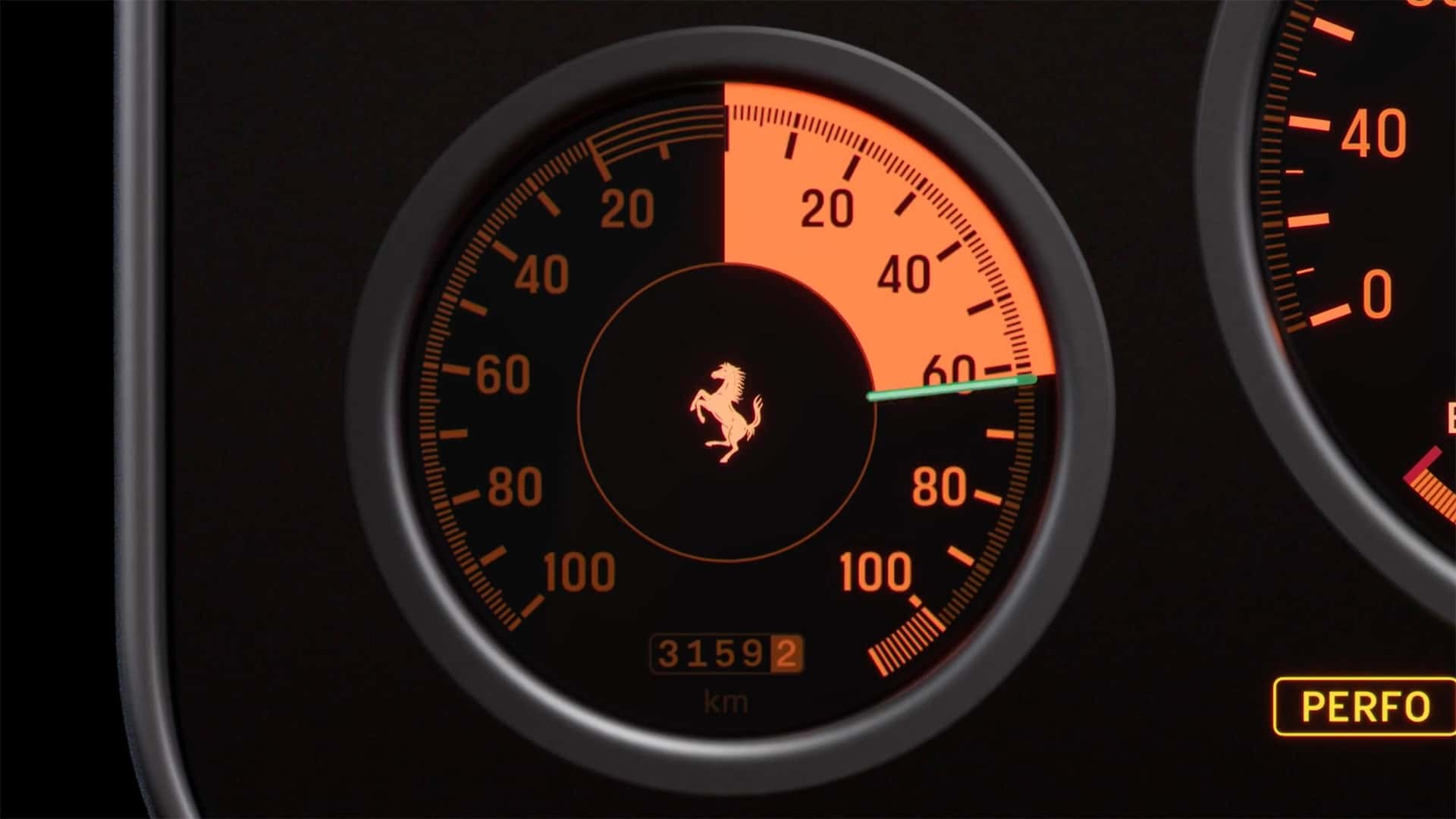
As the automotive industry pivots towards an electric future, car manufacturers face a crucial challenge: how to evoke the emotional connection traditionally forged by the roaring symphony of a combustion engine in their high-performance electric vehicles. Many brands have opted for synthesized engine noises, often pumped through cabin speakers to mimic the sound of their petrol-powered counterparts. However, Ferrari, an icon of automotive passion and engineering excellence, has chosen a starkly different and profoundly intriguing path with its new Ferrari Luce EV.
Instead of attempting to replicate the thunderous roar of a V8 or the harmonious wail of a V12, the Ferrari Luce EV embraces its inherent electric nature, crafting an auditory experience that is uniquely its own. This departure from conventional simulation marks a significant philosophical statement from the Maranello-based marque, setting a new precedent for how luxury electric performance vehicles might engage drivers.
The Acoustic Challenge in Electric Performance
For decades, the sound of a Ferrari engine has been as integral to its identity as its sculpted lines and blistering performance. The transition to electric powertrains, which inherently operate with far less mechanical noise, presents a dilemma for manufacturers of high-performance vehicles. The absence of a visceral engine note can diminish the emotional engagement for enthusiasts accustomed to the aural feedback of acceleration and deceleration.
Many electric carmakers have addressed this by developing sophisticated sound generators that either create futuristic, synthetic tones or attempt to emulate the sounds of internal combustion engines. This often involves intricate algorithms and speaker systems designed to immerse the driver in an artificial soundscape. While some systems, such as those seen in the new Mercedes-AMG 4-Door EV, strive for convincing combustion simulation, Ferrari’s approach with the Ferrari Luce EV deviates sharply from this trend.
Ferrari’s Authentic Auditory Signature
The Ferrari Luce EV distinguishes itself by generating a crescendo of sound through its speakers not by faking an engine, but by amplifying and synthesizing the actual electro-mechanical vibrations produced by the vehicle itself. This innovative method aims to create an authentic auditory signature directly tied to the car’s operational dynamics, rather than an abstract imitation.
According to Ferrari’s official press material, the system captures “electro-mechanical vibration in the axles,” which are then “equalized, amplified and delivered alongside visual feedback to inform the driver.” This intricate process is designed to be highly interactive, engaging the driver not only through the accelerator pedal but also via specially designed paddles behind the steering wheel.
Precision Engineering for Sound Generation
At the heart of the Luce’s unique sound system is a precision accelerometer, meticulously embedded within the axle. This sensor is tasked with capturing the “dynamic texture and vibration of the rotating components.” The raw data from these vibrations is then processed, equalized, and amplified, in a manner Ferrari describes as “similar to an electric guitar.” This analogy highlights the system’s intent to transform subtle mechanical movements into a rich, engaging sound profile.
Crucially, this amplified sound is not a constant drone during normal driving conditions. Ferrari has engineered the system to activate selectively, supporting the ‘Torque Shift Engagement’ and enhancing driver involvement primarily under acceleration and deceleration, particularly in Manual and Performance modes. This ensures that the cabin remains serene when cruising, only unleashing its distinct sound when the driver engages in spirited driving.
Introducing ‘Torque Shift Engagement’: A New Interaction Paradigm
Beyond its innovative sound generation, the Ferrari Luce EV introduces another distinct feature: ‘Torque Shift Engagement’. While several electric vehicles offer simulated gear shifting via steering wheel paddles to replicate the feel of a traditional gearbox, Ferrari’s system operates on a fundamentally different principle.
The paddles in the Ferrari Luce EV do not shift gears in the conventional sense, as there is no multi-speed gearbox to manipulate. Instead, each click of the right paddle progressively steps up the torque delivery across five distinct stages. Conversely, actuating the left paddle increases the intensity of regenerative braking, effectively mimicking the sensation of engine braking experienced when downshifting in an internal combustion vehicle.
This system represents Ferrari’s nuanced attempt to enhance the interactive quality of electric vehicle acceleration and deceleration. It aims to provide a tangible sense of control and progression for the driver, without resorting to the artificiality of simulating a manual gearbox. The objective is to cultivate a new kind of driver engagement that is authentic to the electric powertrain.
Ferrari’s Vision for Driver Involvement
Ferrari’s philosophy behind ‘Torque Shift Engagement’ is encapsulated in their statement: “Sound activates to inform torque shifting in Manual and Performance modes. Manual torque shifting enables the driver to build progression via paddles, sustaining involvement and control across acceleration and deceleration.” This highlights a clear intent to maintain the brand’s core value of driver immersion, adapting it for the electric era.
By offering granular control over torque delivery and regenerative braking, Ferrari seeks to provide a dynamic and responsive driving experience. This interaction allows drivers to finely tune the vehicle’s response to their inputs, creating a direct and intuitive connection that is often central to the appeal of high-performance vehicles.
The Auditory Experience and Future Implications
Initial insights into the Ferrari Luce EV’s sound profile, derived from analyses of official presentation videos by automotive journalists, suggest a distinctive sonic character. While it may not replicate the raw, evocative power of a V8, the fact that its sound is authentically derived from the car’s own mechanical processes lends it a unique credibility and appeal. This innovative approach resonates with a segment of enthusiasts who value authenticity over imitation.
The true measure of this system’s success, both in terms of auditory appeal and its impact on the driving experience, will become apparent when the Ferrari Luce EV becomes available for public and media evaluation. Anticipation remains high for how this groundbreaking system will contribute to the overall sensory engagement offered by Ferrari’s first fully electric model. It will be a key aspect observers will scrutinize during initial test drives.
Ferrari’s decision to forge a unique sonic and interactive identity for the Ferrari Luce EV underscores a broader commitment to innovation within the luxury electric vehicle segment. By rejecting mere imitation and instead focusing on novel engineering solutions, the marque signals its intent to define, rather than merely adapt to, the future of high-performance electric motoring. This strategy positions the Luce as more than just an electric Ferrari; it’s a testament to a new era of engineering philosophy from Maranello, promising to deliver a distinctive and engaging experience that stands apart in the rapidly evolving landscape of electric mobility.
FAQ Section
What makes the Ferrari Luce EV’s sound system unique?
Unlike many electric vehicles that simulate traditional engine sounds, the Ferrari Luce EV amplifies and synthesizes its own electro-mechanical vibrations from the axles. This creates an authentic, mechanical sound signature that is directly tied to the car’s operation, offering a unique and non-imitative auditory experience.
How does ‘Torque Shift Engagement’ work in the Ferrari Luce EV?
‘Torque Shift Engagement’ uses steering wheel paddles to control torque delivery and regenerative braking. The right paddle increases torque in five stages, while the left paddle enhances regenerative braking to mimic engine braking. This provides a new, interactive way to manage acceleration and deceleration without simulating traditional gear shifts.
Does the Ferrari Luce EV’s sound system operate constantly?
No, the sound system in the Ferrari Luce EV is designed to activate primarily in Manual and Performance driving modes. It engages during spirited acceleration and deceleration to enhance driver involvement, but it remains quiet during normal driving conditions, ensuring a serene cabin environment when desired.
Why did Ferrari choose this approach instead of simulating a V12?
Ferrari opted for an authentic, vibration-based sound system and ‘Torque Shift Engagement’ to embrace the unique characteristics of its electric powertrain. This decision reflects a desire to innovate rather than imitate, offering a distinct and genuine high-performance electric driving experience that aligns with Ferrari’s legacy of pioneering automotive technology and driver involvement.
How does the Ferrari Luce EV’s sound compare to a traditional V8 or V12?
The Ferrari Luce EV’s sound is inherently different from the combustion engine notes of a V8 or V12. While it may not possess the same raw, emotional resonance as a traditional engine, its unique, amplified electro-mechanical sound is designed to be engaging and cool, offering a new kind of visceral feedback authentic to the electric nature of the car.