
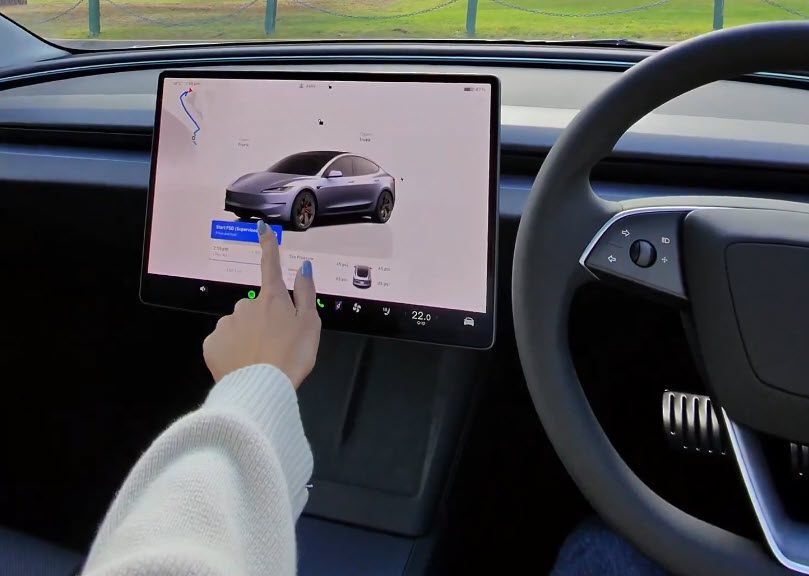
Australia stands at a pivotal juncture in embracing the future of mobility, with the advent of self-driving cars presenting both significant opportunities and complex challenges. While autonomous vehicles hold the potential to dramatically reduce carbon emissions and alleviate urban congestion by optimising traffic flow and diminishing the need for extensive car parks, their widespread adoption could also introduce unforeseen negative consequences if not managed through well-considered policy frameworks.
The allure of a more efficient, environmentally friendly transport system is compelling. Self-driving cars promise to achieve this by driving with greater fuel economy, navigating complex traffic scenarios more effectively, and potentially reducing the overall number of privately owned vehicles. However, a recent in-depth study warns that without appropriate regulatory oversight, this advanced technology could paradoxically increase the number of cars on Australian roads, undermine public transport usage, and even contribute to urban sprawl.
These crucial insights emerge from a two-part study on connected and autonomous vehicles, conducted by researchers at RMIT University. The findings underscore an urgent need for regulators to proactively consider comprehensive road rules for autonomous services, such as robotaxis, before these technologies become deeply embedded within Australia’s transport ecosystem. This call to action comes as major global players like Uber and Google-owned Waymo advance their autonomous vehicle strategies, with Waymo reportedly engaging in discussions with the New South Wales government regarding local road tests.
Evaluating the Dual Impact of Autonomous Vehicles
The connected and automated vehicle study, spearheaded by RMIT and funded by the iMove Co-operative Research Centre, meticulously reviewed existing global data concerning the environmental footprint of smart vehicles. Concurrently, it assessed the range of regulatory provisions that could be applied to manage their integration into national infrastructure. This extensive review identified a broad spectrum of potential outcomes, encompassing everything from more streamlined and efficient journeys to a concerning increase in overall vehicle kilometres travelled.
On the positive side, the research highlighted several key benefits. Autonomous cars are projected to reduce energy consumption by as much as 15 per cent due to their ability to drive with optimal efficiency. Furthermore, they could significantly alleviate traffic congestion, diminish the demand for extensive parking infrastructure, and potentially lead to a decrease in the overall number of privately owned vehicles across the nation. These factors collectively paint a picture of a more sustainable and less cluttered urban environment for Australia.

However, the study also cast a critical eye on the potential downsides. It indicated that if allowed to operate at higher speeds, autonomous vehicles could paradoxically increase energy consumption. Moreover, the unparalleled convenience offered by these vehicles might discourage citizens from utilising public transport, leading to an over-reliance on individual car travel. This shift could, in turn, encourage longer car journeys, contributing to a less compact and more car-dependent urban landscape.
The Risk of Increased Road Usage and Policy Intervention
A significant concern highlighted by the RMIT research is the potential for self-driving cars to expand access to private transport, thereby increasing the total number of vehicles in active use. Liam Davies, a sustainability and urban planning lecturer at RMIT, articulated this risk succinctly. He pointed out that individuals currently unable to drive, such as those impaired by alcohol, could utilise autonomous vehicles, fundamentally altering current transport patterns.
“Currently people who are going out for a drink, they can’t drive a car … but an autonomous vehicle would allow people who can’t drive, like drunk people, to drive,” Mr Davies stated. He further explained the logical extension of this scenario: “You can see how this logically starts to increase the amount of kilometres travelled on our roads.” This perspective suggests a future where the convenience of autonomous travel might inadvertently lead to greater overall vehicle mileage, potentially negating some of the environmental benefits.
To mitigate these adverse effects, researchers meticulously investigated six distinct policy scenarios. Their analysis revealed that some of the most substantial risks were associated with allowing the unchecked private use of self-driving cars, permitting them to directly compete with established public transport networks, and the operation of autonomous vehicles without passengers – often referred to as ’empty running’ or ‘robotaxi cruising’ – which would add unnecessary vehicle kilometres to Australia’s roads.
Integrating Environmental and Social Considerations in Regulation
The Australian government is already actively considering the regulatory framework for self-driving car safety. Darren Atkinson, the Transport Department’s connected and automated vehicle policy director, emphasised the importance of integrating environmental impact assessments into these ongoing discussions. He stressed that safety regulations cannot be developed in isolation from broader environmental and social considerations.
“This is the time for us to come together to consider how do we tackle the environmental bits,” Mr Atkinson remarked. He further highlighted the need for a holistic approach, asserting, “You can’t do them in isolation, they need to be part of a package considering the social benefits.” This collaborative and integrated approach is deemed essential for developing a robust and forward-looking regulatory system for self-driving cars in Australia.
Global Momentum and Local Engagements
The global push for autonomous vehicle integration continues to gather pace, creating a compelling backdrop for Australia’s policy considerations. On March 12, Uber announced a significant partnership with Wayve and Nissan, aiming to introduce self-driving cars to Japan as part of its broader international expansion strategy. This move signals a clear intent from major ride-sharing and technology companies to globalise their autonomous offerings.
Closer to home, Google-owned Waymo has reportedly initiated discussions with the New South Wales government regarding the potential for testing its advanced autonomous vehicles within the state. These engagements underscore the urgency for Australian authorities to establish clear and comprehensive guidelines for the deployment and operation of self-driving cars, ensuring that their integration aligns with national sustainability goals and urban planning objectives.
The Road Ahead for Self-Driving Cars in Australia
As Australia looks to embrace the transformative potential of autonomous technologies, the RMIT study serves as a critical guidepost, highlighting the intricate balance between innovation and responsible implementation. The integration of self-driving cars into the national transport system requires a nuanced understanding of their potential to both enhance efficiency and inadvertently exacerbate existing challenges if not governed by foresightful policies.
The journey towards widespread adoption of self-driving cars in Australia will undoubtedly be complex, necessitating continuous dialogue among policymakers, researchers, industry leaders, and the community. By proactively addressing the environmental and social ramifications alongside safety concerns, Australia can strategically pave the way for a future where autonomous vehicles contribute positively to a more sustainable, equitable, and efficient transportation landscape.