
Key Takeaways
- The Beijing Auto Show has solidified its position as the world’s most pivotal automotive exhibition, showcasing significant advancements from both Chinese and international manufacturers.
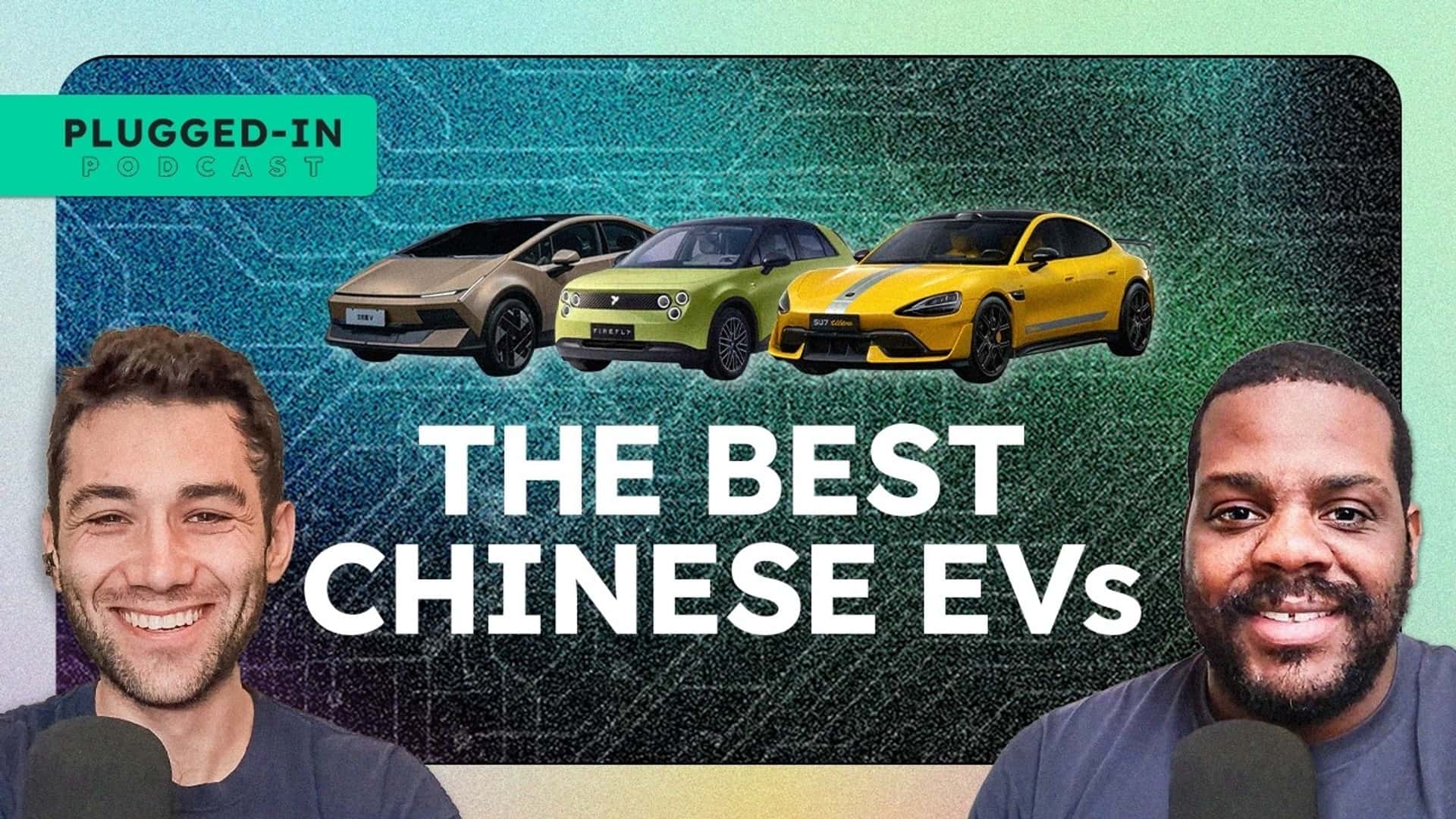
- Chinese brands demonstrated diverse innovation, from high-performance models like the Xiaomi SU7 Ultra to mass-market leaders such as the Geely EX2 and tech-integrated compact EVs like the Nio Firefly.
- Non-Chinese automakers are strategically adapting their offerings for the Chinese market, exemplified by the bespoke Hyundai Ioniq V and the China-exclusive Ford Bronco New Energy Extended-Range SUV.
- The show underscored China’s profound influence on the global electric vehicle landscape, revealing distinct consumer preferences and competitive strategies shaping the future of mobility.
The Beijing Auto Show, held last month, has once again underscored its critical importance on the global automotive stage. It served as a vital platform where both established international players and burgeoning Chinese car companies unveiled their latest innovations, particularly in the electric vehicle (EV) sector. The exhibition provided a comprehensive look at the evolving landscape, highlighting China’s undeniable impact on vehicle design, technology, and market strategies worldwide.
Discussions among industry analysts, including insights from Kevin Williams regarding his experiences at the show, reveal a dynamic marketplace. The event showcased a spectrum of electric vehicles, from cutting-edge, high-performance models to practical, mass-market solutions, illustrating the breadth of China’s automotive ecosystem.
China’s Ascendancy in Global Automotive Innovation
China’s influence on the global car landscape is now unequivocally clear. The Beijing Auto Show served as a powerful testament to this reality, illustrating how the nation’s domestic market drives significant innovation and competition. The sheer volume and variety of new vehicle debuts, particularly in the electric segment, cemented the show’s status as a barometer for future automotive trends.
The shift observed at this year’s event indicates that non-Chinese brands are increasingly bringing their most compelling offerings, specifically tailored for the Chinese consumer. This strategic pivot highlights the market’s unique demands and the intense competition automakers face to capture a share of the world’s largest automotive market. The show effectively demonstrated a global industry converging on China to showcase its best.
High-Performance and Tech Integration: The Xiaomi SU7 Ultra and Nio Firefly
Among the standout Chinese electric vehicles showcased was the high-tech, high-performance Xiaomi SU7 Ultra. This track-ready EV, which Kevin Williams had the opportunity to test, signifies the ambitious entry of technology giants into the automotive arena. Xiaomi’s venture into electric cars represents a broader trend where established tech firms are leveraging their software and hardware expertise to redefine vehicle capabilities and user experience.
The SU7 Ultra’s emphasis on performance suggests a growing demand within the Chinese market for electric vehicles that offer not only efficiency but also exhilarating driving dynamics. Its “track-ready” designation points to advanced engineering, sophisticated battery management systems, and powerful electric powertrains designed to deliver superior acceleration and handling.
Further along the innovation spectrum, the Nio Firefly presented a different facet of Chinese EV development. This compact, cutesy electric vehicle, which has been available for some time, debuted with an intriguing new feature: Nintendo Switch integration. This addition highlights a growing focus on in-car entertainment and lifestyle connectivity, catering to a younger, tech-savvy demographic.
The integration of popular gaming consoles into vehicle interiors transforms the car from mere transportation into an extension of personal living space. For a compact EV like the Nio Firefly, such features enhance its appeal as a versatile, urban-friendly vehicle that supports both daily commutes and leisure activities, distinguishing it in a competitive market segment.
Mass-Market Dominance: The Geely EX2’s Phenomenal Success
At the opposite end of the performance spectrum from the Xiaomi SU7 Ultra, the Geely EX2 emerged as a significant talking point. Described as a “cheap Chinese grocery-getter,” this vehicle has recently ascended to become China’s best-selling model. Its success offers critical insights into the dynamics of mass-market EV adoption and consumer priorities in the region.
Kevin Williams elaborated on why the Geely EX2’s dominance makes sense, even against formidable competitors like the BYD Seagull. The EX2’s affordability and practicality likely resonate with a vast segment of Chinese consumers seeking economical and reliable transportation. Its status as a “grocery-getter” implies a design focused on urban utility, ease of parking, and low running costs, all vital attributes for a vehicle destined for widespread adoption.
The EX2’s rise suggests a maturing electric vehicle market where cost-effectiveness and functional design are powerful drivers of sales. While high-tech and performance EVs capture headlines, the mass appeal of an accessible model like the Geely EX2 underscores the importance of diverse offerings to cater to various income brackets and needs, propelling overall EV penetration in the country.
Global Automakers Tailor Offerings for China
A significant trend observed at the Beijing Auto Show was the strategic response of non-Chinese brands to the competitive Chinese market. These global automakers are no longer merely adapting existing models but are actively developing vehicles specifically for Chinese consumer tastes and market conditions. This approach marks a crucial evolution in their global strategies, recognizing China as a distinct and powerful market that demands bespoke solutions.
Hyundai’s China-Specific Innovation: The Ioniq V
Hyundai’s introduction of the Ioniq V perfectly encapsulates this strategic shift. The “wedge-shaped beauty” was unveiled as a model “made specifically for the world’s biggest car market.” This dedicated development underscores a deep understanding of local preferences, including aesthetic sensibilities, technological expectations, and the specific driving conditions prevalent in China.
Designing a vehicle exclusively for China allows Hyundai to optimize every aspect, from interior features and infotainment systems to charging compatibility and range requirements, ensuring maximum resonance with the target demographic. This commitment to localization is crucial for international brands aiming to compete effectively with agile and rapidly innovating Chinese manufacturers.
Ford’s Rugged EREV: The Bronco New Energy
Another compelling example of market-specific innovation came from Ford, which showcased the Bronco New Energy. This rugged, China-only extended-range SUV garnered considerable attention. Kevin Williams’ assessment that “Americans are missing out on this one” highlights the unique product strategies deployed by global automakers in different regions.
The Bronco New Energy, leveraging extended-range electric vehicle (EREV) technology, combines the benefits of electric propulsion with the flexibility of a gasoline generator for longer journeys. This type of powertrain appeals to consumers who desire reduced emissions and electric driving capabilities but also seek the reassurance of extended range, a particularly relevant factor in China’s diverse geographical landscape and developing charging infrastructure.
Ford’s decision to offer a Bronco variant exclusively as an EREV in China reflects an understanding of local regulatory frameworks and consumer readiness for electrification. It also suggests that certain vehicle segments, like rugged SUVs, benefit from EREV solutions in markets where pure battery electric vehicles might still face adoption hurdles due to infrastructure or range anxiety concerns.
The Broader Implications of the Beijing Auto Show
The Beijing Auto Show served as more than just a product launchpad; it was a comprehensive demonstration of the ongoing transformation within the global automotive industry. The innovations unveiled, from hyper-performance EVs to practical urban commuters and regionally tailored models, illustrate a future where electric mobility is increasingly diverse and segmented.
China’s role as a leading force in this transition is undeniable, not only as the largest consumer market but also as a crucible for technological advancement and competitive strategies. The readiness of both domestic and international brands to push boundaries and localize offerings signifies a new era of automotive development, largely dictated by the trends and demands originating from this pivotal market.
FAQ Section
Q1: Why is the Beijing Auto Show considered so important globally?
The Beijing Auto Show is deemed globally significant due to China being the world’s largest automotive market and a leading hub for electric vehicle innovation. It serves as a crucial platform for both Chinese and international automakers to unveil new models, technologies, and strategic directions, often setting trends for the global industry.
Q2: What did the Xiaomi SU7 Ultra represent at the show?
The Xiaomi SU7 Ultra represented the strong entry of technology giants into the high-performance electric vehicle segment. Its “track-ready” designation showcased advanced engineering, powerful electric powertrains, and cutting-edge software integration, signaling a new competitive front in the premium EV market.
Q3: How does the Geely EX2’s success reflect the Chinese EV market?
The Geely EX2’s emergence as China’s best-selling vehicle highlights the growing demand for affordable and practical electric cars. Its success indicates that mass-market adoption of EVs is heavily driven by cost-effectiveness, urban utility, and reliability, rather than solely by high-tech features or extreme performance.
Q4: What is unique about the Nio Firefly’s features?
The Nio Firefly, a compact EV, garnered attention for its unique Nintendo Switch integration. This feature underscores a trend toward enhancing in-car entertainment and lifestyle connectivity, transforming the vehicle into a versatile personal space that caters to tech-savvy consumers and offers leisure options beyond mere transportation.
Q5: Why are non-Chinese brands like Hyundai and Ford creating China-specific models?
Non-Chinese brands are developing China-specific models, such as the Hyundai Ioniq V and Ford Bronco New Energy, to cater to the unique preferences, regulatory requirements, and competitive landscape of the world’s largest automotive market. This strategy ensures maximum resonance with local consumers and stronger market penetration against agile domestic competitors.
Q6: What is an Extended-Range Electric Vehicle (EREV), as seen in the Ford Bronco New Energy?
An Extended-Range Electric Vehicle (EREV) like the Ford Bronco New Energy combines an electric motor for propulsion with a small gasoline engine that acts as a generator. This system allows for electric-only driving for shorter distances and uses the generator to extend the range, alleviating range anxiety and providing fuel flexibility, especially in regions with developing charging infrastructure.
Q7: What does the Beijing Auto Show indicate about future automotive trends?
The Beijing Auto Show indicates a future of increasingly diverse and segmented electric mobility, driven by rapid technological advancements and evolving consumer demands. It highlights China’s pivotal role as an innovation leader and a critical market dictating global automotive strategies, with a strong emphasis on localization and tailored solutions.