

The Beijing Auto Show has solidified its position as the premier international platform for showcasing the future of electric vehicles (EVs) and automotive innovation. This year’s exhibition underscored China’s undeniable influence on the global car landscape, featuring a diverse array of groundbreaking models from both domestic powerhouses and adapting international manufacturers.
Discussions among industry analysts highlighted key trends, from high-performance electric sedans like the Xiaomi SU7 Ultra to mass-market electric vehicles such as the Geely EX2. Crucially, the event also revealed a strategic shift among non-Chinese brands, which are now bringing specially tailored models, like the Hyundai Ioniq V and the Ford Bronco New Energy, specifically for the discerning Chinese consumer base.
Key Takeaways
- The Beijing Auto Show is now a global automotive epicenter, driven by the rapid evolution of the Chinese EV market.
- Chinese brands are pushing boundaries in both high-performance and mass-market EV segments, exemplified by the Xiaomi SU7 Ultra and Geely EX2.
- Affordable EVs, like the Geely EX2, are dominating sales, indicating a strong consumer demand for accessible electric mobility.
- Innovative features, such as Nintendo Switch integration in the Nio Firefly, reflect a focus on enhancing user experience.
- Non-Chinese automakers are strategically developing China-specific models, including the Hyundai Ioniq V and Ford Bronco New Energy, to compete effectively.
- The show demonstrates a clear trend towards localized product development and intense competition across all EV segments.
The Evolving Global Automotive Landscape and China’s Pivotal Role
China’s automotive market is no longer merely a consumer of global trends but a powerful engine driving them. The Beijing Auto Show serves as a critical barometer for the industry, revealing the speed of innovation, evolving consumer preferences, and the intense competitive pressures defining the electric vehicle era.
The sheer volume and diversity of new electric vehicles unveiled at the show underscore the market’s dynamism. From cutting-edge technology integrations to diverse market positioning, the models presented offer a clear glimpse into the future direction of electric mobility, both within China and across the globe.
Spotlight on Domestic Innovation: Chinese EVs at the Forefront
Chinese domestic brands demonstrated remarkable prowess at the Beijing Auto Show, showcasing a spectrum of vehicles that challenge established norms and set new benchmarks. Their offerings spanned the performance, utility, and tech-integration segments, signaling a comprehensive approach to market leadership.
Xiaomi SU7 Ultra: Performance Meets Technology
Among the high-profile debuts was the Xiaomi SU7 Ultra, an electric sedan that merges high technology with performance capabilities. Its designation as a ‘track-ready’ vehicle suggests a strong emphasis on driving dynamics and speed, a segment traditionally dominated by premium European and American brands.
The entry of a major technology conglomerate like Xiaomi into the automotive sector with such a performance-oriented EV signifies a broader trend in China. Tech giants are leveraging their expertise in software, user interfaces, and connectivity to redefine the in-car experience, pushing the boundaries of what an electric vehicle can offer beyond mere transportation.
Geely EX2: Redefining Mass-Market Mobility
At the opposite end of the market spectrum, the Geely EX2 emerged as a significant player, characterized as a ‘cheap Chinese grocery-getter.’ This unassuming vehicle has rapidly ascended to become the country’s best-selling vehicle, illustrating the immense demand for affordable and practical electric transportation.
The success of the Geely EX2, notably surpassing rivals like the BYD Seagull in sales, highlights the critical role of cost-effectiveness and accessibility in driving mass EV adoption in China. This segment is vital for transitioning a broad demographic of consumers to electric mobility, making EVs a practical choice for everyday use and urban environments.
Nio Firefly: Smart Connectivity and Urban Appeal
Positioned between the performance and budget segments, the Nio Firefly presented a ‘compact, cutesy EV’ that has gained attention for its distinctive features. While not a brand-new entrant, its debut of Nintendo Switch integration captured significant interest, showcasing a unique approach to in-car entertainment and user experience.
This integration reflects a growing trend in the Chinese EV market to cater to tech-savvy consumers and younger demographics who prioritize advanced connectivity and engaging digital ecosystems. The Nio Firefly’s approach to blending mobility with interactive entertainment underscores an innovative pathway to differentiate vehicles in a highly competitive market.
Global Players Adapt: Non-Chinese Brands Step Up
A notable evolution observed at the Beijing Auto Show was the proactive approach by non-Chinese automotive brands. Recognizing the unique demands and immense scale of the Chinese market, these global players are no longer offering generic models but are strategically developing vehicles specifically tailored for local preferences and conditions.
Hyundai Ioniq V: Tailored for the Chinese Market
Hyundai introduced the Ioniq V, described as a ‘wedge-shaped beauty made specifically for the world’s biggest car market.’ This bespoke design and market focus indicate a significant shift from the previous strategy of global models with minor local adjustments.
The Ioniq V’s dedicated development for China highlights the necessity for foreign automakers to deeply understand local aesthetic preferences, technological expectations, and driving habits. Such targeted product development is crucial for gaining a competitive edge against the strong domestic brands.
Ford Bronco New Energy: A Rugged, China-Exclusive Offering
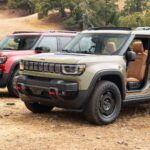
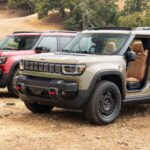
Ford presented the Bronco New Energy, a ‘rugged, China-only extended-range SUV.’ This variant of the iconic Bronco, featuring an extended-range electric vehicle (EREV) powertrain, caters specifically to segments of the Chinese market that value both robust capability and advanced, eco-friendly powertrains.
The observation that ‘Americans are missing out on this one’ underscores the distinct market strategies employed by global automakers for different regions. It reflects the diverse regulatory environments, consumer demands for specific vehicle types, and the rapid pace of EV development unique to China, which can lead to region-exclusive innovations.
Key Market Trends Shaping the Future
The Beijing Auto Show served as a comprehensive showcase of several overarching trends that are now fundamentally shaping the global automotive industry. These trends reflect not just technological advancements but also profound shifts in consumer behavior and market dynamics.
One prominent trend is the relentless pursuit of performance and technological integration in electric vehicles. Brands are increasingly focusing on delivering not just efficient but also exhilarating driving experiences, packed with advanced digital features. This move is driven by a segment of consumers who view their vehicles as extensions of their digital lives.
Concurrently, the booming success of affordable, practical EVs underscores the importance of accessibility for widespread adoption. This segment is critical for democratizing electric mobility, making it a viable option for a larger portion of the population and thereby accelerating the transition away from internal combustion engines.
Furthermore, the show emphasized the strategic necessity for global automakers to localize their product offerings. Generic ‘world cars’ are being replaced by models specifically designed to resonate with the cultural, economic, and regulatory nuances of key markets like China. This tailored approach is crucial for capturing market share and building brand loyalty in an increasingly competitive landscape.
Conclusion: Beijing Auto Show as a Global Automotive Barometer
The Beijing Auto Show continues to reinforce China’s central role in the global automotive industry, particularly in the electric vehicle sector. It is a vital arena where both domestic and international brands converge to unveil their latest innovations and strategic directions. The exhibition highlights a market characterized by fierce competition, rapid technological evolution, and a deep understanding of diverse consumer needs.
From the cutting-edge performance of the Xiaomi SU7 Ultra to the mass-market dominance of the Geely EX2, and the localized strategies of brands like Hyundai and Ford, the trends showcased in Beijing offer invaluable insights into the future trajectory of global electric mobility.
FAQ Section
What is the significance of the Beijing Auto Show in the global automotive industry?
The Beijing Auto Show has become a pivotal international exhibition, showcasing the latest trends and innovations in electric vehicles and automotive technology. It is a critical platform for both Chinese and global automakers to debut new models and strategies, reflecting China’s immense influence on the global car market.
Which Chinese EV models garnered significant attention at the show?
Several Chinese EV models stood out, including the high-performance, track-ready Xiaomi SU7 Ultra, which merges technology with speed. Additionally, the Geely EX2, an affordable mass-market vehicle, was highlighted for becoming the country’s best-selling car, demonstrating the success of accessible electric mobility.
How are non-Chinese car companies adapting to the Chinese market?
Non-Chinese automakers are increasingly adapting by developing models specifically for the Chinese market. Examples include the Hyundai Ioniq V, a wedge-shaped EV tailored for local tastes, and the Ford Bronco New Energy, a China-only extended-range SUV, indicating a strategic shift towards localized product development.
What innovative features were seen in Chinese EVs?
Innovation in Chinese EVs was prominent, particularly in user experience and technology integration. The Nio Firefly, a compact EV, showcased a unique feature with Nintendo Switch integration. This highlights a trend towards embedding advanced consumer electronics to enhance in-car entertainment and connectivity.
Why is the Geely EX2 outselling other popular EVs like the BYD Seagull?
The Geely EX2’s success as China’s best-selling vehicle is attributed to its position as a highly affordable ‘grocery-getter.’ Its cost-effectiveness and practicality appeal strongly to a broad segment of consumers seeking accessible electric mobility for everyday use, demonstrating the significant demand for budget-friendly EVs.
What does the Ford Bronco New Energy being China-only signify?
The Ford Bronco New Energy, a rugged extended-range SUV exclusive to China, signifies global automakers’ strategic necessity to tailor products for specific markets. It reflects differing consumer preferences, regulatory landscapes, and the rapid pace of EV innovation in China, leading to region-specific models not available elsewhere.
What broad trends did the Beijing Auto Show reveal about the EV market?
The show underscored several key trends: the rapid advancement of performance and tech-integrated EVs, the surging demand for affordable mass-market electric vehicles, and the critical importance of localized product development for international brands. These trends collectively shape the future direction of electric mobility globally.