
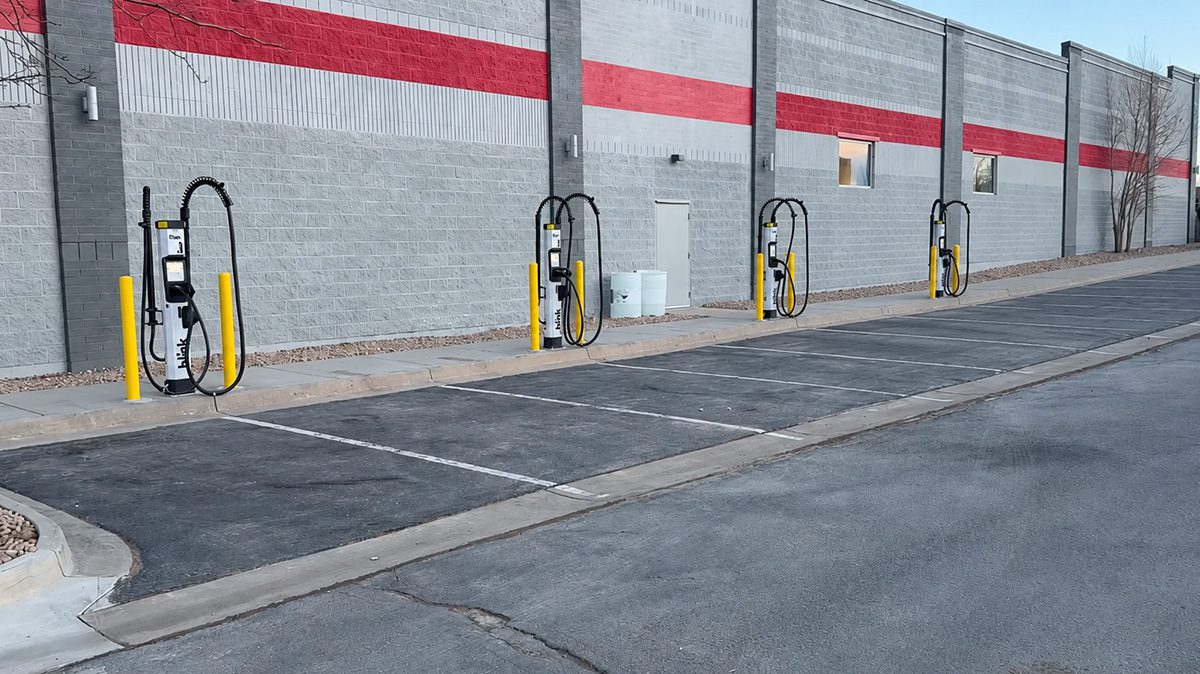
Key Takeaways
- Blink Charging has launched EnergyConnect, an advanced energy management system (EMS) designed to optimize power utilization at electric vehicle (EV) charging sites.
- The system focuses on maximizing existing electrical infrastructure, ensuring efficient allocation of power in real-time across multiple charging stations.
- Key functionalities include live energy usage monitoring, dynamic load balancing, centralized management of charger groups, and site-level load limiting with scheduling options.
- Initial deployment targets 13 Blink-owned DC fast charging sites in Florida, with phased expansion planned for the US, UK, and Belgium.
- EnergyConnect aims to significantly reduce electricity costs for Blink and its customers, enabling strategic growth and enhancing operational efficiency within the rapidly expanding EV ecosystem.
- Future enhancements include integration with utilities, demand response capabilities, and support for battery energy storage systems and solar panels.
In a significant development for the electric vehicle (EV) charging sector, Blink Charging has introduced EnergyConnect, an innovative energy management system (EMS). This new platform is engineered to unlock the full potential of existing electrical infrastructure at EV charging sites, providing operators with unparalleled visibility and granular control over their energy consumption and distribution.
The launch of EnergyConnect marks a crucial step towards more efficient, sustainable, and cost-effective EV charging operations. As the demand for electric vehicles surges globally, optimizing power capacity at charging stations becomes paramount to support widespread adoption and grid stability.

Addressing the Core Challenge of EV Charging Infrastructure
The rapid expansion of electric vehicle charging infrastructure often faces challenges related to electrical grid capacity and the substantial costs associated with upgrading power supply. Traditional charging solutions can lead to inefficient power distribution, peak demand charges, and underutilization of available energy resources.
Blink’s EnergyConnect platform directly addresses these critical issues by intelligently managing power flow. It empowers EV charging operators to make the most of their current electrical setups, delaying or even avoiding costly infrastructure upgrades while ensuring reliable service for EV drivers.
EnergyConnect: Features for Optimal Performance
EnergyConnect is designed to provide comprehensive control and detailed insights, enabling operators to streamline their EV charging site energy management. The system’s architecture facilitates intelligent power allocation, adapting dynamically to the fluctuating demands of multiple charging points and vehicles.

Real-Time Monitoring and Analytics
A cornerstone of the EnergyConnect platform is its robust monitoring capability. Site hosts can track energy usage and overall performance through live metrics and sophisticated analytics. This real-time data is vital for identifying consumption patterns, optimizing operational schedules, and proactively addressing any inefficiencies or potential issues.
Such granular insights are instrumental for data-driven decision-making, allowing operators to fine-tune their charging strategies and enhance the overall efficiency of their EV charging site energy management.
Automated Dynamic Load Balancing
One of the most impactful features is the automated dynamic load balancing. This functionality allows the system to intelligently allocate power across various chargers based on real-time demand. Instead of a fixed power distribution, the system adjusts power delivery to individual chargers to prevent overloading the site’s electrical capacity while ensuring all connected vehicles receive adequate power.
Dynamic load balancing is particularly critical in scenarios where multiple EVs are charging simultaneously, helping to prevent breaker trips and ensuring a consistent charging experience for users, even during peak hours.
Centralized Management and Control
EnergyConnect offers a single, centralized dashboard for managing charger groups. This unified interface simplifies operations for sites with numerous charging stations, allowing operators to oversee and control their entire charging infrastructure from one convenient location. This capability significantly reduces operational complexity and improves response times for adjustments.
Site-Level Load Limits with Flexible Scheduling
Operators can set specific site-level load limits, providing an essential tool for managing peak demand and controlling electricity costs. The platform also offers optional daily or weekly scheduling for these limits, enabling operators to align power consumption with varying electricity tariffs or peak grid times.
This proactive management of load limits is a key strategy in mitigating demand charges, which can form a substantial portion of the electricity bill for high-power consumers like EV charging stations.
Strategic Deployment and Future Expansion
Blink Charging is implementing EnergyConnect in a phased approach, ensuring a robust and well-tested rollout. The initial deployment will focus on 13 Blink-owned DC fast charging sites located in Florida, a state with growing EV adoption and an increasing need for efficient charging solutions.
Following this initial phase, the company plans to expand the platform’s deployment to more Blink sites across the United States, the United Kingdom, and Belgium. This international rollout underscores the global relevance of sophisticated EV charging site energy management solutions.
Anticipated Enhancements and Grid Integration
Blink has articulated a clear roadmap for EnergyConnect, planning to introduce several advanced features. These include crucial utility integration, which will allow for seamless communication with grid operators and participation in demand response programs. Demand response functionality will enable charging sites to reduce or shift their energy consumption during periods of high grid stress or high electricity prices, further enhancing cost savings and grid stability.
Furthermore, future versions of EnergyConnect will support the integration of battery energy storage systems and solar panels. This integration will enable charging sites to harness renewable energy sources and store excess power, further reducing reliance on the grid, enhancing resilience, and accelerating the transition towards a fully sustainable EV charging ecosystem.
Economic Impact and Growth Potential
The introduction of EnergyConnect is projected to have a substantial economic impact, both for Blink Charging and its customers. Mike Battaglia, President and CEO at Blink Charging, emphasized the platform’s financial benefits:
“EnergyConnect holds the potential to save Blink and its customers thousands of dollars on electricity costs,” said Mike Battaglia, President and CEO at Blink Charging. “The platform’s efficiency allows us to be even more thoughtful about future operating expenses, creating more opportunities for growth.”
These anticipated savings are crucial for improving the profitability of EV charging operations and encouraging further investment in expanding the network. By optimizing energy use and minimizing operational expenditures, EnergyConnect allows for more competitive charging rates for consumers and a stronger return on investment for site hosts.
The Broader Significance of Smart Energy Management
As electric vehicle adoption continues its upward trajectory, the efficiency and sustainability of the charging infrastructure become increasingly vital. Advanced EV charging site energy management systems like EnergyConnect are fundamental to the long-term viability of electric mobility.
These systems contribute to a more resilient and balanced electrical grid by managing distributed energy resources effectively. They also play a critical role in facilitating the integration of renewable energy sources, supporting the transition away from fossil fuels, and reducing the carbon footprint of transportation.
By providing greater control, visibility, and automation, EnergyConnect positions Blink Charging at the forefront of smart charging solutions, ready to meet the evolving demands of the EV market and contribute to a greener future.
Source: Blink Charging
FAQs About EV Charging Site Energy Management
What is an Energy Management System (EMS) for EV charging?
An EMS for EV charging, like Blink’s EnergyConnect, is a software and hardware platform designed to monitor, control, and optimize energy consumption at electric vehicle charging sites. Its primary goal is to maximize the efficiency of existing electrical infrastructure, reduce operational costs, and ensure reliable power delivery to chargers.
How does dynamic load balancing work in EV charging?
Dynamic load balancing intelligently distributes available power among multiple EV chargers in real-time. Instead of a fixed power split, it adjusts the power supplied to each vehicle based on factors like the site’s total capacity, the number of active chargers, and the vehicle’s state of charge, preventing overloads and optimizing charging speeds.
What are the main benefits of using EnergyConnect for EV charging operators?
Operators benefit from EnergyConnect through significant electricity cost savings, especially by mitigating peak demand charges. It offers greater control over power allocation, real-time performance monitoring, and simplifies the management of multiple charging stations. These features enhance operational efficiency and profitability.
Will EnergyConnect support renewable energy sources?
Yes, Blink Charging plans to integrate support for battery energy storage systems and solar panels into future versions of EnergyConnect. This will enable EV charging sites to utilize renewable energy more effectively, store excess power, and reduce their reliance on the conventional grid, enhancing sustainability.
Where will EnergyConnect be deployed first?
The initial deployment of EnergyConnect will take place at 13 Blink-owned DC fast charging sites located in Florida. Following this pilot phase, Blink Charging intends to expand its deployment to more sites across the United States, the United Kingdom, and Belgium in subsequent stages.
How does EnergyConnect help reduce electricity costs?
EnergyConnect helps reduce electricity costs by enabling site-level load limits and automated load balancing. These features prevent high peak demand charges, which are often a significant expense for charging sites, by intelligently managing power consumption and distributing it efficiently across the infrastructure.
What future features are planned for EnergyConnect?
Blink Charging plans to add several advanced features to EnergyConnect. These include utility integration for better grid interaction, demand response functionality to participate in grid flexibility programs, and comprehensive support for battery energy storage systems and solar power integration, further enhancing its capabilities.
Is EnergyConnect suitable for all types of EV charging sites?
While the initial deployment focuses on DC fast charging sites, the underlying principles of energy management and load balancing are applicable across various EV charging site types. As the platform evolves with planned features, its utility is expected to expand, catering to a broader range of charging infrastructure needs.