
Key Takeaways
- LG Energy Solution has launched production at its 226-acre Lansing, Michigan battery plant, initiating large-format cell manufacturing.
- The facility is designed for a full-scale annual capacity of 35 GWh, targeting both electric vehicles and energy storage systems.
- It produces lithium-iron phosphate (LFP) cells for stationary grid storage and nickel-manganese-cobalt (NMC) cells for electric vehicles like the 2027 Toyota Highlander EV.
- The Lansing operation will enhance domestic content capabilities for customers and bolster the US supply chain for next-generation vehicles.
- This plant is a pivotal part of LG Energy Solution’s strategic goal to deploy over 50 GWh of LFP capacity in North America by late 2026.
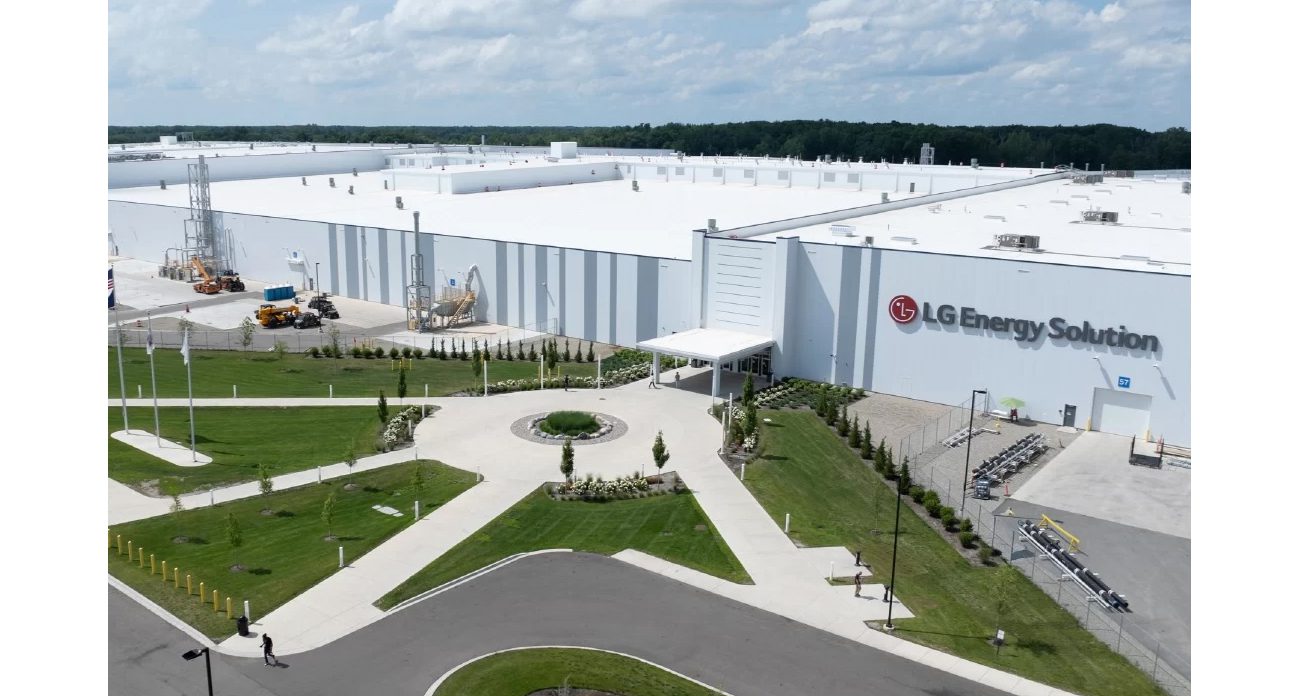
Lansing, Michigan – A significant leap in North American battery manufacturing has been achieved as LG Energy Solution officially commences production at its new, expansive plant in Lansing. This state-of-the-art facility is set to become a critical hub for advanced battery cell production, catering to both the burgeoning electric vehicle (EV) market and the expanding energy storage system (ESS) sector.
The strategic initiation of operations at the LG Energy Solution Lansing battery plant underscores a pivotal moment for sustainable energy infrastructure. With an impressive 226-acre footprint, the Michigan site represents a substantial investment in domestic manufacturing capabilities. At its peak, the plant is projected to achieve an annual production capacity of 35 GWh, delivering a powerful boost to battery supply chains.

A Dual Focus: Powering Electric Vehicles and Modern Grids
The Lansing facility distinguishes itself through its dual production capability, manufacturing two distinct types of battery cells. These include lithium-iron phosphate (LFP) cells specifically engineered for stationary energy storage applications and nickel-manganese-cobalt (NMC) cells designed for high-performance electric vehicles.
This integrated approach positions the LG Energy Solution Lansing battery plant as a versatile cornerstone for critical energy solutions. It addresses the diverse requirements of different energy applications, from stabilizing electrical grids to powering the next generation of zero-emission vehicles across North America.
LFP Cells Bolstering Stationary Storage Solutions
For the energy storage sector, the LG Energy Solution Lansing battery plant is manufacturing robust lithium-iron phosphate (LFP) cells. These cells are fundamental components for stationary storage systems, which are essential for enhancing grid reliability and integrating renewable energy sources.

LG Energy Solution Vertech, the company’s dedicated US energy storage division, will integrate these Lansing-produced cells into comprehensive systems. These systems are designed for utility-scale and grid-level storage, alongside commercial and industrial applications that demand reliable and long-lasting energy solutions. DTE Energy, a prominent utility provider, has been identified as one of the key customers that will incorporate Lansing-built cells into its upcoming storage initiatives, highlighting the immediate impact of this new production.
NMC Cells Driving EV Innovation with Toyota Partnership
Concurrently, the LG Energy Solution Lansing battery plant is producing advanced nickel-manganese-cobalt (NMC) cells, which are characterized by their superior energy density. These cells are specifically allocated to power a new generation of battery-electric vehicles, marking a crucial collaboration within the automotive industry.
Toyota is a primary recipient of these NMC cells, which are destined for its future EV models. Notably, these cells will energize the highly anticipated 2027 Toyota Highlander EV. This significant model will be assembled at Toyota’s manufacturing facility in Georgetown, Kentucky, creating a robust and localized supply chain for a major automotive player.
Technological Distinction: LFP vs. NMC in Practice
The strategic decision to produce both LFP and NMC cells at the LG Energy Solution Lansing battery plant is rooted in the distinct chemical properties and optimal applications for each technology. Understanding these differences is key to appreciating the plant’s diverse capabilities.
LFP cells, known for their exceptional tolerance to numerous charge cycles, offer a compelling advantage for stationary storage applications. They are also notably free of nickel and cobalt, critical minerals that can be subject to supply chain volatility and ethical concerns. In static storage installations, the overall mass and volume of a battery are less restrictive factors compared to mobile applications.
Conversely, NMC cells excel in delivering higher energy per kilogram, making them ideal for electric vehicles where weight and space are paramount. The superior energy density of NMC batteries directly translates to extended driving ranges and enhanced performance for EV powertrains. This distinction ensures that the Lansing plant’s output is precisely tailored to the specific demands of each application, maximizing efficiency and utility.
Strengthening Domestic Supply Chains and Content Requirements
A core benefit of the LG Energy Solution Lansing battery plant’s operation is its direct contribution to strengthening North American supply chains. The cells produced here will play a vital role in helping customers meet crucial US domestic content requirements, a growing imperative for projects receiving federal incentives and support.
Furthermore, the dedicated production of NMC cells for Toyota significantly bolsters the automaker’s US supply chain. This localized manufacturing ensures a more resilient and secure source of critical battery components for Toyota’s next-generation electric vehicles, reducing reliance on international logistics and fostering regional economic growth.
LG Energy Solution’s Ambitious North American Expansion
The Lansing plant is a foundational piece in LG Energy Solution’s broader strategic vision for North America. The company has articulated ambitious plans to deploy more than 50 GWh of LFP cell-making capacity across the continent by the conclusion of 2026. This aggressive expansion strategy underscores a commitment to regionalized production and market leadership.
This capacity will be distributed across multiple facilities, including three wholly-owned plants: the existing Holland facility and the new Lansing plant in Michigan, alongside the NextStar Energy plant in Windsor, Ontario. Additionally, two joint venture facilities, the L-H Battery Company in Jeffersonville, Ohio, and Ultium Cells 2 in Spring Hill, Tennessee, will contribute to this substantial LFP output.
By the end of 2026, LG Energy Solution anticipates that approximately 80% of its global energy storage system capacity will be strategically located within North America. This remarkable target reflects a clear pivot towards serving the continent’s rapidly accelerating demand for advanced battery technologies, solidifying the region’s position in the global battery landscape.
Economic and Environmental Impact of Localized Production
The establishment and operationalization of the LG Energy Solution Lansing battery plant brings with it a cascade of positive economic and environmental implications. Localized battery production contributes significantly to job creation within the region, stimulating economic activity and fostering skilled labor development in advanced manufacturing sectors.
Environmentally, increasing domestic battery production reduces the carbon footprint associated with long-distance transportation of components. It also supports the broader transition to renewable energy sources by providing essential storage solutions and accelerating the adoption of electric vehicles, directly contributing to national climate goals and sustainable development objectives.
Conclusion: A New Era for Battery Manufacturing in Michigan
The commencement of production at the LG Energy Solution Lansing battery plant represents a landmark achievement in the drive towards a sustainable energy future. By simultaneously addressing the needs of the electric vehicle and grid-scale energy storage markets, the facility embodies versatility and strategic foresight.
As this Michigan battery plant ramps up to its full 35 GWh annual capacity, it will not only supply critical components to key industry players like Toyota and DTE Energy but also reinforce the resilience of North American supply chains. This initiative firmly establishes Lansing as a crucial nexus in the global clean energy economy, propelling innovation and domestic manufacturing forward.
FAQ Section
What is the primary function of the LG Energy Solution Lansing battery plant?
The Lansing plant manufactures large-format battery cells for two critical sectors: electric vehicles (EVs) and energy storage systems (ESS). It produces both lithium-iron phosphate (LFP) cells for stationary storage and nickel-manganese-cobalt (NMC) cells for EVs, contributing significantly to North America’s energy transition goals.
What types of battery cells are produced at the Lansing plant?
The plant produces two main types of battery cells. Lithium-iron phosphate (LFP) cells are manufactured for stationary energy storage applications, valued for their cycle life and cobalt-free composition. Nickel-manganese-cobalt (NMC) cells, offering higher energy density, are produced for electric vehicles.
What is the full production capacity of the new Lansing facility?
At full operational scale, the LG Energy Solution Lansing battery plant is designed to achieve an annual production capacity of 35 GWh. This substantial output will be crucial for meeting the rising demand for advanced batteries across various applications in the North American market.
Which companies will utilize the cells produced in Lansing?
DTE Energy is slated to use Lansing-built LFP cells in its future grid storage projects, enhancing utility-scale energy management. For the automotive sector, Toyota will incorporate NMC cells from the plant into its battery-electric vehicles, including the 2027 Toyota Highlander EV, bolstering its US supply chain.
How does the Lansing plant support US domestic content requirements?
By producing battery cells domestically, the LG Energy Solution Lansing battery plant directly aids its customers in meeting US domestic content requirements. This localized manufacturing effort helps strengthen regional supply chains and contributes to the economic development of the American manufacturing sector.
What are LG Energy Solution’s broader North American expansion plans?
The Lansing plant is a key part of LG Energy Solution’s strategy to deploy over 50 GWh of LFP cell-making capacity in North America by the end of 2026. This includes wholly-owned plants in Michigan and Ontario, as well as joint ventures in Ohio and Tennessee, aiming for 80% of global ESS capacity in the region.