
A notable shift is underway in the Australian automotive market, particularly within the rapidly expanding electric vehicle (EV) segment. Recent observations suggest that Chinese carmakers are now surpassing traditional Japanese brands in sales volumes across the country, marking a significant reordering of established market hierarchies.
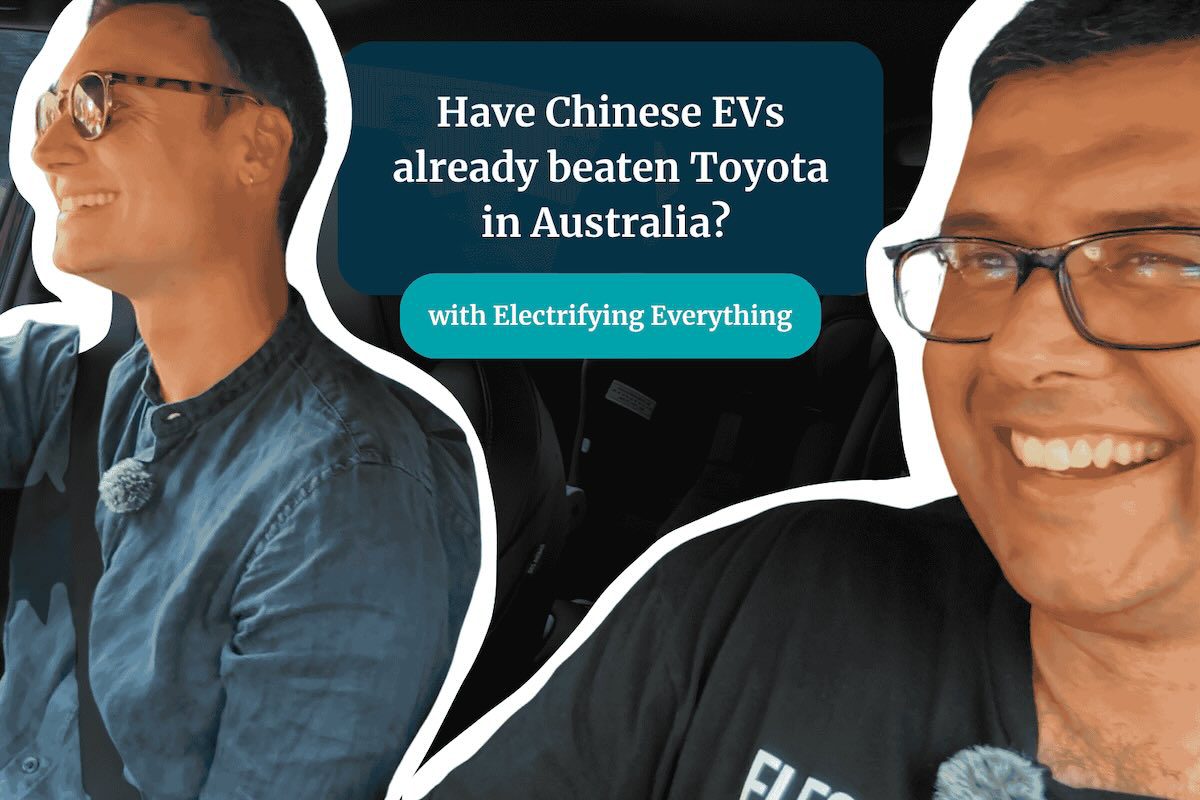
This dynamic transformation was a central topic of discussion between Neerav from Electrifying Everything and Sam Parkinson, Chief Operating Officer for Renew Economy and EV Media. Their conversation, reportedly taking place within an updated Toyota BZ4X, delved into the underlying reasons contributing to this discernible change.

A Shifting Automotive Landscape in Australia
For decades, Japanese manufacturers have held a formidable position in the Australian automotive industry, often synonymous with reliability, efficiency, and widespread appeal. Brands like Toyota, Mazda, and Honda have consistently secured leading market shares, building deep trust with Australian consumers.
However, the global transition towards electric mobility appears to be introducing new competitive dynamics. The rapid rise of Chinese EV manufacturers, leveraging distinct strategies and technological advancements, is fundamentally reshaping buyer preferences and sales figures.
This evolving scenario suggests that the Australian market is increasingly receptive to new entrants, especially those offering compelling electric vehicle propositions. The shift underscores a broader trend of technological disruption impacting established automotive players worldwide.
The Ascent of Chinese EV Manufacturers
Chinese electric vehicle brands have made substantial inroads into international markets, and Australia is proving to be no exception. Their strategy often combines aggressive pricing, swift product development cycles, and a focus on integrating advanced technology and features.
Manufacturers such as BYD, MG (owned by SAIC Motor), and GWM Haval have introduced a diverse range of electric models, spanning from compact hatchbacks to family SUVs. These vehicles frequently offer competitive range, modern infotainment systems, and comprehensive safety features at price points that challenge conventional offerings.
The ability of these companies to rapidly innovate and scale production has enabled them to quickly capture market share. Their integrated supply chains, particularly in battery technology, further bolster their competitive edge, allowing for more agile responses to market demands and cost efficiencies.
Toyota’s Position Amidst EV Transition
Toyota, a long-standing market leader in Australia and globally, has historically championed hybrid technology, positioning it as a practical bridge to full electrification. While its hybrid models continue to sell strongly, the company’s full battery electric vehicle (BEV) rollout has been comparatively measured.
The Toyota BZ4X, mentioned in the original discussion, represents one of the brand’s key entries into the dedicated BEV segment. As a newer player in the pure EV space, Toyota faces the challenge of adapting its vast production capabilities and established consumer perceptions to meet the specific demands of the rapidly evolving electric vehicle market.
The conversation between Neerav and Sam taking place within the BZ4X itself highlights the direct engagement with Toyota’s efforts in electrification, even as the broader market dynamics shift. This context underscores the competitive environment in which even established giants must operate.
Key Factors Driving the Market Reshaping
Several interconnected factors are likely contributing to the growing prominence of Chinese EVs over Japanese brands in Australia:
Competitive Pricing and Value Proposition
Chinese EV brands have often entered the market with highly competitive pricing strategies, making electric vehicle ownership more accessible to a wider segment of Australian consumers. This value proposition extends beyond the initial purchase price, often including generous standard features that might be optional extras on competitor models.
Such aggressive pricing can significantly influence purchasing decisions, especially for buyers considering their first EV. The perceived value for money, coupled with evolving consumer expectations, plays a crucial role in tilting market preference.
Technological Innovation and Feature Richness
Many Chinese EVs are equipped with cutting-edge technology, including advanced battery chemistries, sophisticated infotainment systems, and comprehensive driver-assistance suites. These features often rival or surpass those found in more established brands, appealing to tech-savvy consumers.
The rapid pace of technological development within Chinese automotive companies allows them to integrate new innovations quickly into their production models. This agility ensures their offerings remain contemporary and highly attractive in a fast-moving market segment.
Rapid Product Development and Market Agility
Chinese manufacturers have demonstrated an impressive ability to bring new EV models to market swiftly, offering a diverse array of body styles, battery configurations, and price points. This rapid development cycle allows them to quickly respond to emerging consumer trends and fill market niches.
In contrast, some traditional automakers, including Japanese brands, have historically followed longer development cycles. This difference in agility can result in a lag in delivering the specific types of EVs that a maturing market like Australia is demanding.
Government Policies and Infrastructure Support
While not explicitly mentioned, broader government policies and incentives for EV adoption in Australia, alongside investments in charging infrastructure, create a fertile ground for all EV manufacturers. Brands that can readily supply a variety of compliant and appealing vehicles are best positioned to capitalize on these supportive environments.
The increasing availability of public and private charging solutions further reduces range anxiety, making EVs a more viable option for everyday Australians and subsequently boosting demand for readily available models.
Evolving Consumer Perceptions and Trust
The perception of Chinese-made products, particularly in the automotive sector, has steadily evolved. Initial skepticism has largely given way to recognition of improved quality, design, and technological sophistication. This shift in consumer confidence is vital for market penetration.
As more Chinese EVs hit Australian roads and receive positive reviews, the brand trust continues to build. This growing acceptance is crucial for long-term sales growth and challenging established incumbents.
The Road Ahead for Japanese Automakers
The observed market shift is undoubtedly prompting Japanese automakers to reassess and accelerate their EV strategies. While their reputation for quality and reliability remains strong, adapting to the speed and cost structures of the EV transition is paramount.
Toyota, among others, is investing heavily in new EV platforms, battery technologies, and production facilities to ramp up its electric vehicle offerings globally. Their long-term strategy includes a broader portfolio of BEVs to compete effectively across various segments.
The challenge for these established players will be to leverage their existing strengths – extensive dealer networks, strong brand loyalty, and robust after-sales service – while simultaneously innovating rapidly in the EV space to regain or maintain market leadership.
Implications for Australian Consumers and Infrastructure
For Australian consumers, this increased competition is largely beneficial. It leads to a wider selection of electric vehicles, more competitive pricing, and accelerated innovation. Buyers now have more choices than ever when considering an EV, catering to various budgets and needs.
The influx of diverse EV models also places further demand on Australia’s charging infrastructure and grid capabilities. Continued investment in public and private charging solutions will be critical to support the ongoing electrification of the vehicle fleet.
Conclusion: A New Chapter in Automotive History
The emergence of Chinese carmakers as dominant players in Australia’s EV market signals a new chapter in the nation’s automotive history. It underscores how swiftly technological shifts can reconfigure established industries and challenge long-held market leadership positions.
As the global automotive industry continues its journey towards electrification, the competitive landscape in Australia will remain a compelling case study. The ability of manufacturers, both new and old, to innovate, adapt, and meet evolving consumer demands will ultimately determine their success in this dynamic era.