
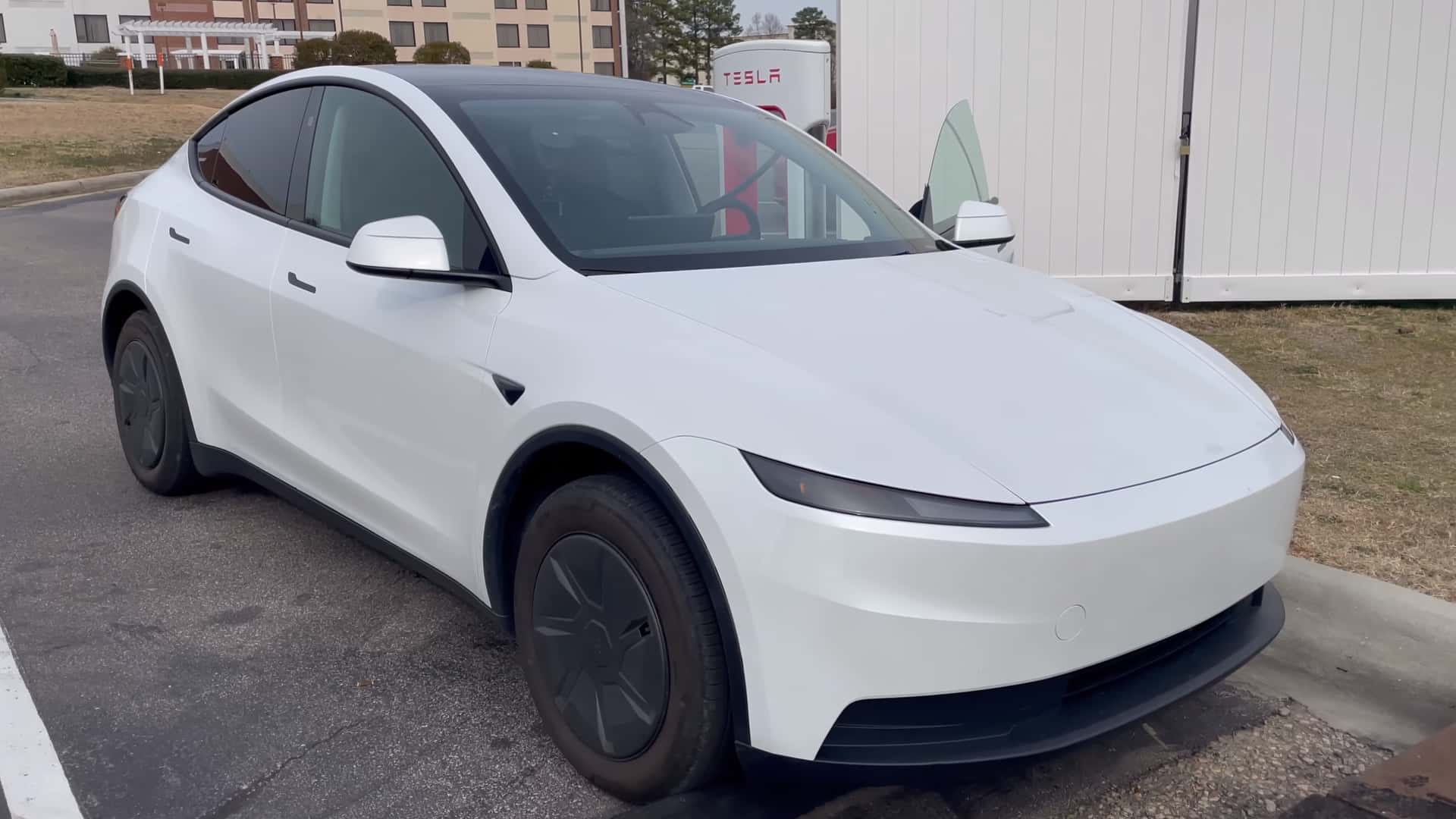
In a stark contrast of automotive trends, electric vehicle (EV) sales experienced a significant downturn in the United States during 2025, even as Europe witnessed a historic surge, with EVs surpassing gasoline-powered cars for the first time within the European Union.
European EV Market Reaches New Milestone
Globally, the demand for vehicles without combustion engines saw a substantial increase of 20 percent in 2025. In the European Union, this shift culminated in EVs capturing a 22.6 percent market share by December 2025, a slight edge over pure gasoline vehicles. Hybrids also proved exceptionally popular across the continent.

Prominent EV models driving this trend in Europe include the Tesla Model Y, Tesla Model 3, Skoda Elroq, Volkswagen ID.4, Volkswagen ID.3, Renault 5, and Volkswagen ID. 7. A key factor attributed to Europe’s success is its more developed charging infrastructure. Having adopted EVs earlier, the region has established a more extensive network of charging stations, which helps mitigate range anxiety for drivers.
US EV Sales Face Headwinds
Conversely, the United States saw a 2 percent decline in EV sales from 2024 to 2025, according to Cox Automotive. This downturn is largely attributed to the expiration of the federal EV tax credit on September 30, 2025. This incentive, which offered a credit of up to $7,500, significantly lowered the purchase price of new EVs for American consumers and aided automakers in maintaining healthy profit margins without drastic price reductions.
The disparity is further highlighted by the state of charging infrastructure in the U.S. While areas like California and New Jersey offer more accessible charging options, many other states lag behind, presenting practical challenges for EV adoption. For many American drivers, achieving the full benefits of EV ownership often necessitates having a home charger, potentially paired with solar panels for cost-effective charging.

Outlook for Electric Vehicles in 2026
Despite the recent sales dip in the U.S., several EV models remain strong contenders, with popular choices like the Tesla Model Y, Tesla Model 3, and Volkswagen ID.4 also performing well in Europe. While new EVs can be found for under $40,000 in America, the absence of the federal tax incentive has undeniably impacted the market’s momentum.
The landscape in 2026 suggests that while EVs, particularly those from brands with robust charging networks like Tesla, still hold a significant place in the automotive industry, their trajectory to outsell gasoline-powered vehicles in the U.S. has been considerably altered by the events of 2025. Meanwhile, hybrid sales continue to show strength globally, with models like the Toyota RAV4 Hybrid positioned for potential market dominance.