
Key Takeaways
- EVgo is deploying next-generation DC fast chargers capable of delivering up to 750 kW, more than doubling current capacities.
- The new charging stalls will feature dynamic power sharing, optimizing power delivery for each connected electric vehicle.
- Future stations are planned to integrate more North American Charging Standard (NACS) ports, significantly expanding market reach.
- Innovations include a touchless payment interface and the potential for 10-minute charging sessions for the fastest EVs.
- The development underscores EVgo’s commitment to future-proofing the national EV charging network and enhancing the electric mobility experience.
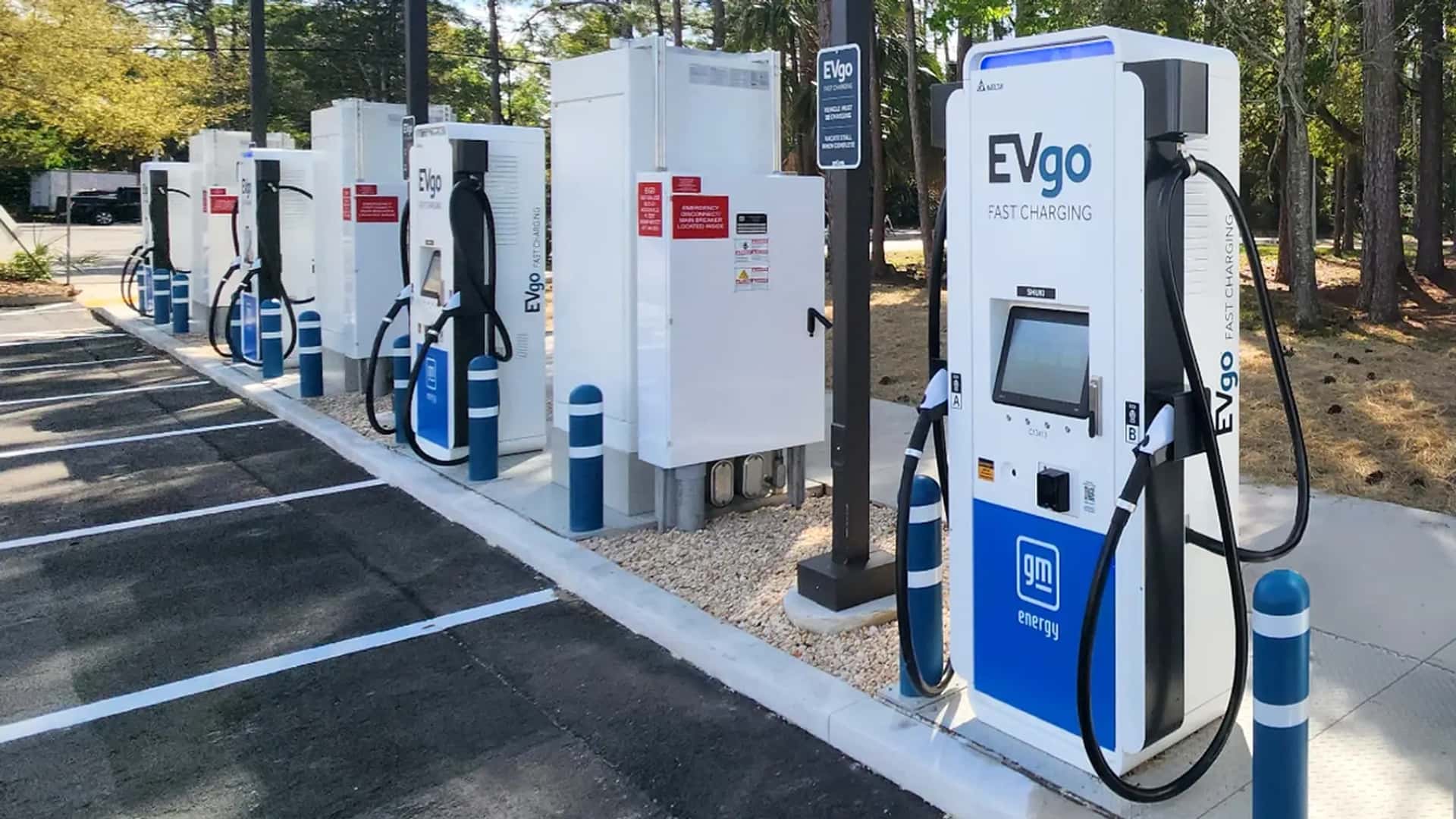
EVgo, a prominent electric vehicle (EV) charging network provider in the United States, is poised to dramatically enhance the nation’s public charging infrastructure with the introduction of its next-generation fast chargers. The company is actively developing and testing cutting-edge systems designed to deliver an unprecedented 750 kilowatts (kW) of power, a substantial upgrade from its current 350 kW maximum.
This strategic move is set to redefine the charging experience for EV drivers, addressing critical aspects of speed, convenience, and accessibility. The innovations are being spearheaded at EVgo’s dedicated Innovation Lab located in El Segundo, California, where the company designs, develops, and rigorously tests its proprietary hardware.
Redefining Power and Efficiency in EV Charging
The core of EVgo’s latest initiative lies in its ability to offer significantly higher power output. The new 750 kW chargers represent a technological leap, engineered to provide more than twice the charging speed of many existing direct current (DC) fast chargers. This advancement is crucial for supporting the growing fleet of electric vehicles, particularly those with larger battery capacities and higher charging rate capabilities.
While specific design details of these new high-power EV chargers are still under wraps, EVgo has revealed several key features that promise to enhance the user experience and operational efficiency of its EV charging network. The development cycle involves extensive testing to ensure reliability and performance before widespread deployment.
Advanced Features for a Seamless Charging Experience
A significant highlight of the upcoming EV charging technology is its integration of a touchless payment interface. This feature aims to streamline the charging process, allowing drivers to initiate and pay for charging sessions without the necessity of a smartphone application. Such an innovation contributes to a more user-friendly and inclusive public charging environment, appealing to a broader spectrum of electric vehicle owners.
Furthermore, the new charging stalls will incorporate dynamic power sharing capabilities. This intelligent system is designed to optimally allocate power to multiple connected EVs simultaneously, ensuring each vehicle receives the maximum power it can accept. For instance, if a Lucid Gravity, capable of very high charging rates, and a Tesla Model 3, which has a different optimal charging profile, are connected to the same stall, the system will dynamically distribute power—potentially sending 400 kW to the Gravity and 250 kW to the Model 3—to maximize efficiency for both.
Future-Proofing the Electric Vehicle Ecosystem
EVgo’s decision to deploy 750 kW chargers is a proactive step towards future-proofing its expansive EV charging network. Currently, no mass-market electric vehicles available in the United States can fully utilize a 750 kW input. However, the global electric vehicle landscape is evolving rapidly, with some models overseas already demonstrating capacities for 1,000 kW or more.
This forward-looking approach ensures that as EV battery technology advances and vehicles become capable of accepting higher charging rates, EVgo’s infrastructure will be ready to meet those demands. The increased power output is also particularly beneficial for electric trucks and heavy-duty commercial vehicles, which require substantial power to rapidly replenish their large battery packs, minimizing downtime for logistics operations.
Another strategic enhancement involves boosting the deployment of North American Charging Standard (NACS) ports across EVgo’s new stations. This move is anticipated to significantly expand the network’s addressable market, catering to the growing number of EVs adopting the NACS standard and providing seamless access for a wider range of electric vehicle models, including Tesla vehicles.
Impact on Driver Convenience and National EV Adoption
The ultimate goal of these technological advancements is to dramatically improve the charging experience for American EV drivers. According to EVgo, the new 750 kW system is projected to enable 10-minute charging sessions for the fastest-charging vehicles available in the country. This rapid turnaround time is critical for alleviating range anxiety and making long-distance EV travel more comparable to traditional fueling stops.
The availability of such high-powered public EV charging options is expected to be a significant catalyst for accelerating electric vehicle adoption across the United States. Despite some discussions about the pace of vehicle electrification in America relative to other developed nations, the continuous expansion and technological upgrades of the EV charging network are positive indicators for the future of sustainable transportation.
EVgo currently operates a robust network of nearly 2,000 DC fast charging stations nationwide, comprising over 5,300 individual charging ports, according to data from the Department of Energy’s Alternative Fuels Data Center (AFDC). The upcoming 750 kW system and its associated innovations are set to further solidify EVgo’s position as a leader in providing accessible and efficient electric vehicle charging solutions.
More detailed information regarding the final design and initial deployment timelines for these new 750 kW chargers is expected to be released next year, marking a pivotal moment for the evolution of the national EV charging network.
Frequently Asked Questions (FAQ)
What is the significance of EVgo’s new 750 kW EV chargers?
EVgo’s new 750 kW chargers represent a major leap in EV charging technology, offering more than double the power of current fast chargers. This higher capacity aims to provide significantly faster charging times, future-proofing the network for advanced EVs and supporting the rapid adoption of electric mobility across the U.S.
How does dynamic power sharing benefit EV drivers?
Dynamic power sharing ensures that each electric vehicle connected to a single stall receives its optimal charging power simultaneously. This intelligent allocation maximizes efficiency, allowing multiple vehicles to charge at their fastest possible rates without compromising the charging experience for other users, thereby reducing wait times.
Will the new EVgo stations support all electric vehicles?
EVgo’s commitment to deploying more North American Charging Standard (NACS) ports at its new stations signifies broader compatibility. This expansion will significantly increase accessibility for a wider range of EVs, including Tesla models, alongside existing CCS compatibility, effectively doubling the addressable market for the charging network.
What does a touchless payment interface mean for users?
A touchless payment interface enhances convenience by allowing EV drivers to pay for charging without needing to download a specific smartphone application. This feature simplifies the transaction process, making public charging more accessible and user-friendly for all electric vehicle owners, regardless of their app preferences.
When can EV drivers expect to see these new 750 kW chargers?
While EVgo is currently designing, developing, and testing these advanced chargers at its Innovation Lab, the company anticipates unveiling the final design and initiating the first deployments of the 750 kW system next year. This phased rollout will progressively upgrade the national EV charging network.
Why is EVgo focusing on such high-power chargers when current EVs don’t use 750 kW?
EVgo’s deployment of 750 kW chargers is a strategic move to future-proof its network. While few current EVs can utilize this full power, the technology anticipates future electric vehicle advancements, especially for larger battery capacities and high-performance models, including electric trucks. This ensures the infrastructure remains relevant and efficient for years to come.